
Introduction to Satin Elegance for Little Ones
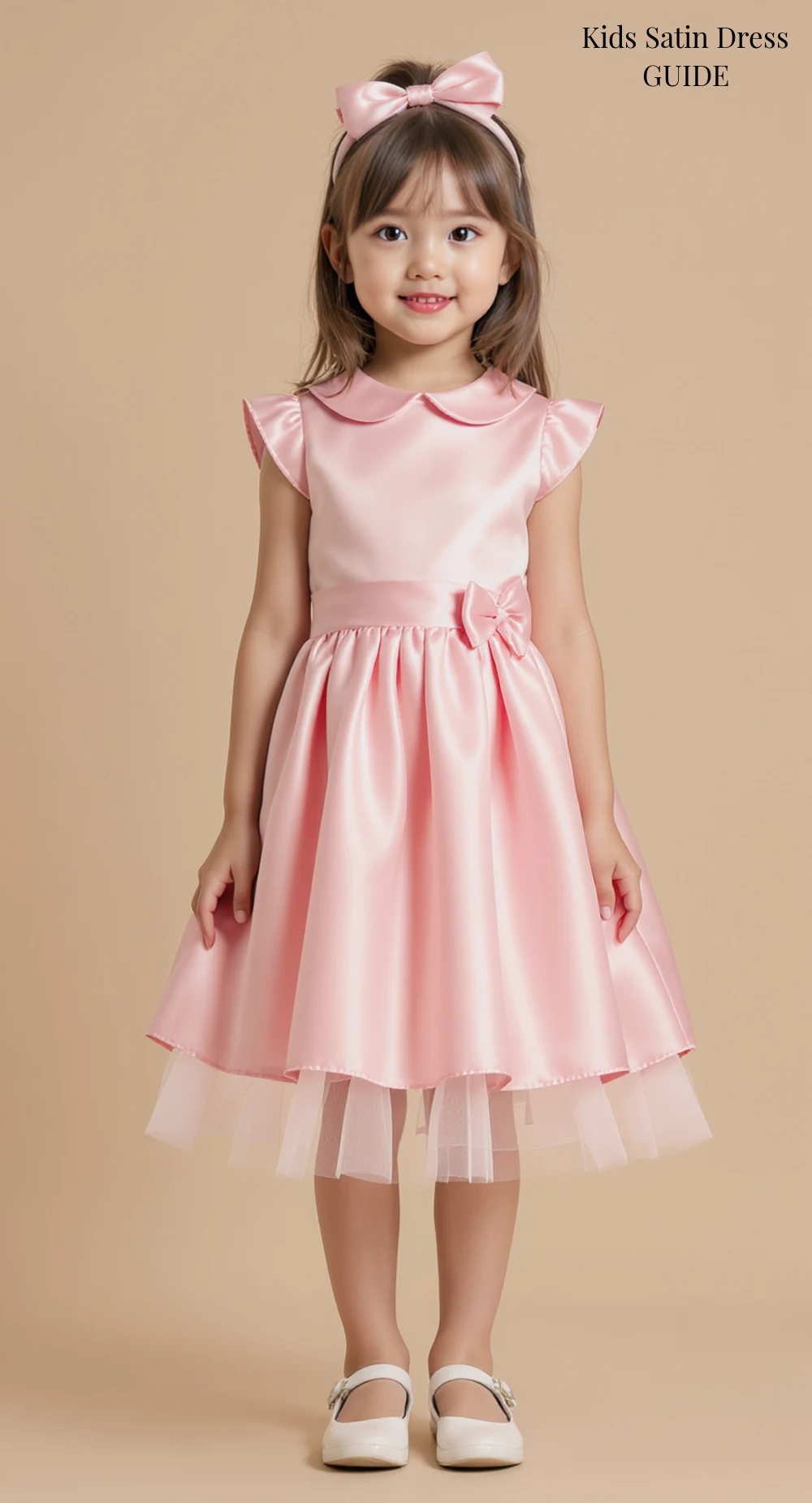
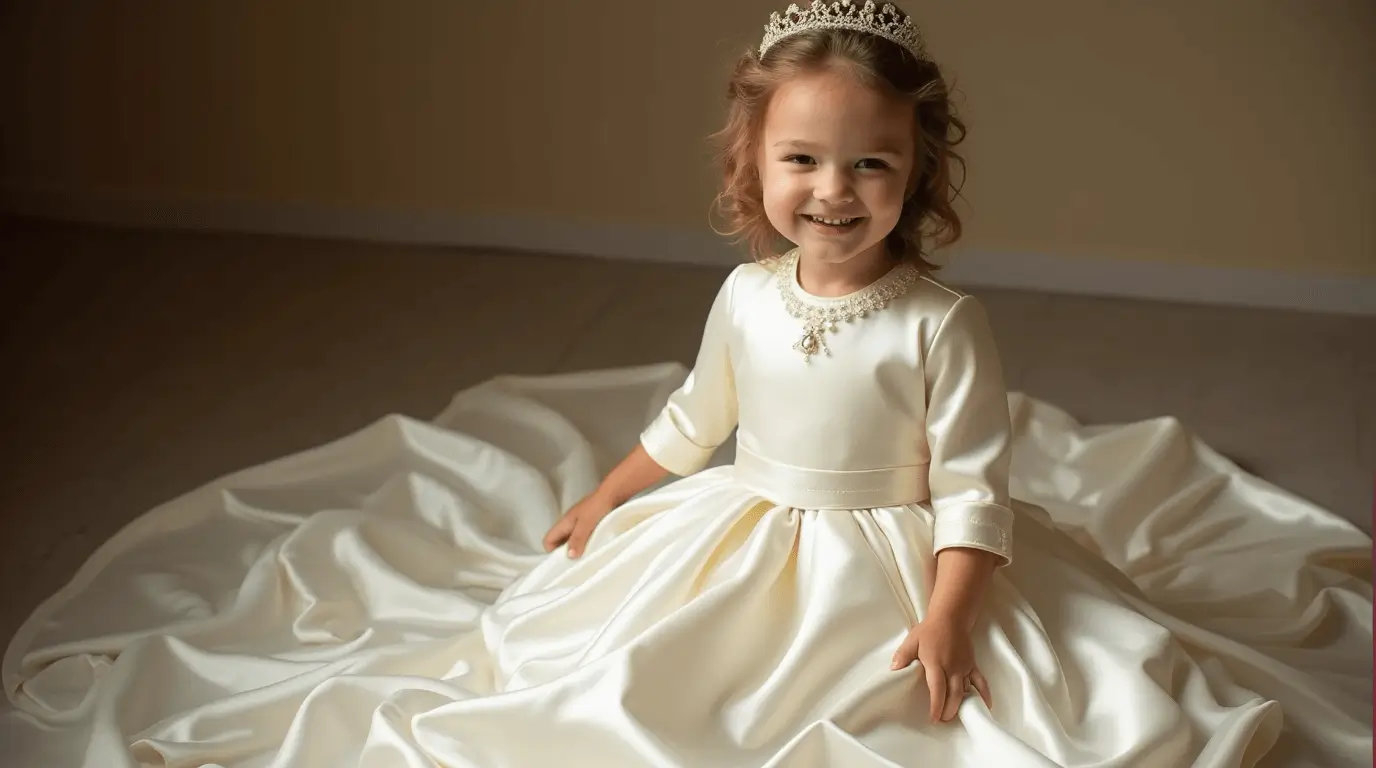
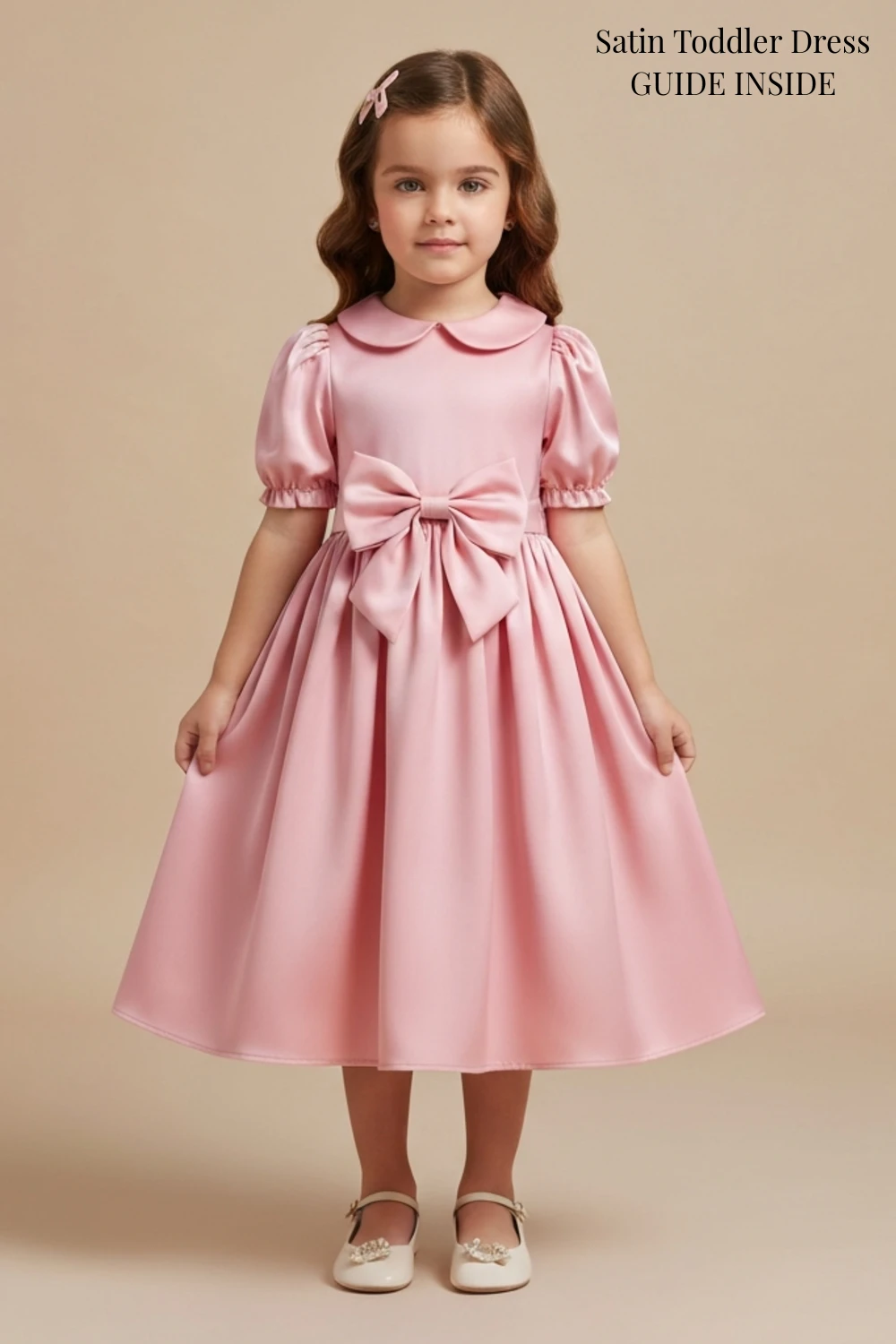
When special occasions call for something beyond everyday playwear, a Satin Toddler Dress offers the perfect blend of elegance and comfort. These beautiful garments provide that touch of sophistication while still prioritizing the unique needs of active young children.
Unlike adult formal wear, dresses designed for toddlers and young girls require thoughtful features that accommodate growth spurts, playful movements, and sensitive skin.
According to recent market research, satin remains one of the top fabric choices for special occasion dresses for children aged 1-7, with 68% of parents preferring it for weddings, formal portraits, and significant family gatherings. The gentle sheen and smooth texture create a polished look while still feeling appropriate for the younger age group.
Table of Contents
Understanding Satin Fabrics for Children’s Wear
Before exploring specific styles, it’s important to understand what makes satin an excellent choice for children’s special occasion wear.
Child-Friendly Satin Options
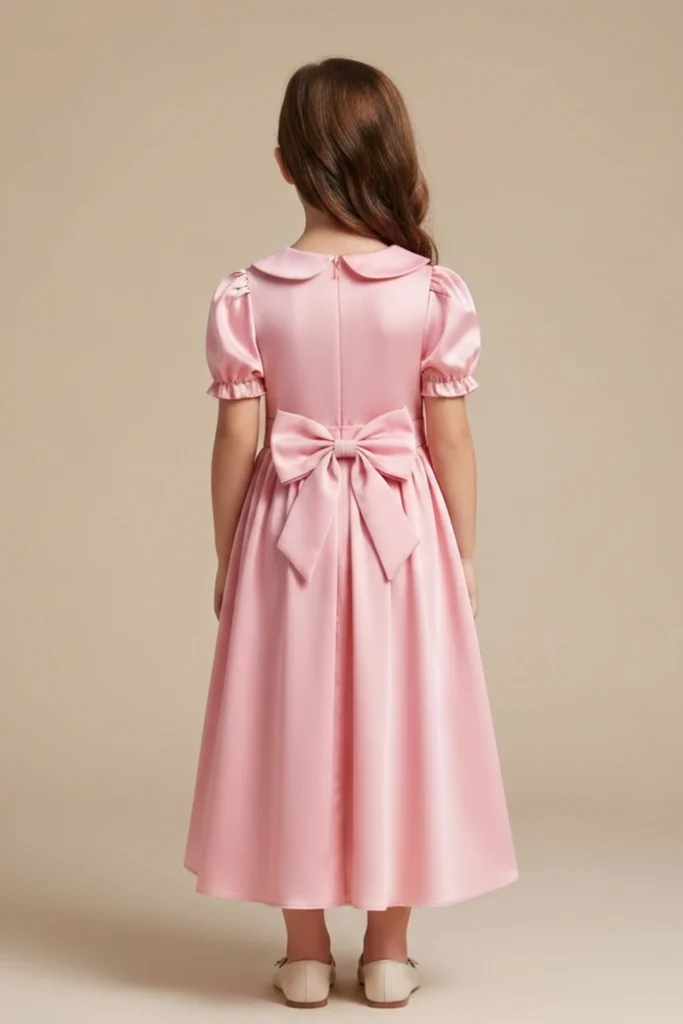
Not all satins are created equal, especially when designed for young wearers. The best Satin Dresses For Kids use modified fabrications that maintain the lustrous appearance while offering practical benefits:
- Polyester Satin Blends: Provide durability and resist wrinkles, perfect for active toddlers
- Cotton-Satin Blends: Offer breathability while maintaining a subtle sheen
- Stretch Satin: Contains small amounts of elastane or spandex to allow freedom of movement
- Washable Satin: Specially designed to withstand gentle machine washing, unlike traditional silky satins
Comfort Features to Look For
Unlike adult formal wear, toddler occasion dresses must prioritize comfort alongside style. The best designs incorporate:
- Fully lined bodices to prevent scratchy fabrics from touching sensitive skin
- Smooth, finished seams that won’t cause irritation
- Strategically placed closures (back zippers or button loops) for easy dressing
- Adjustable features that accommodate growth
5 Best Satin Toddler Dress Styles for Special Occasions
Let’s explore the most popular and practical styles that combine elegance with child-friendly design:
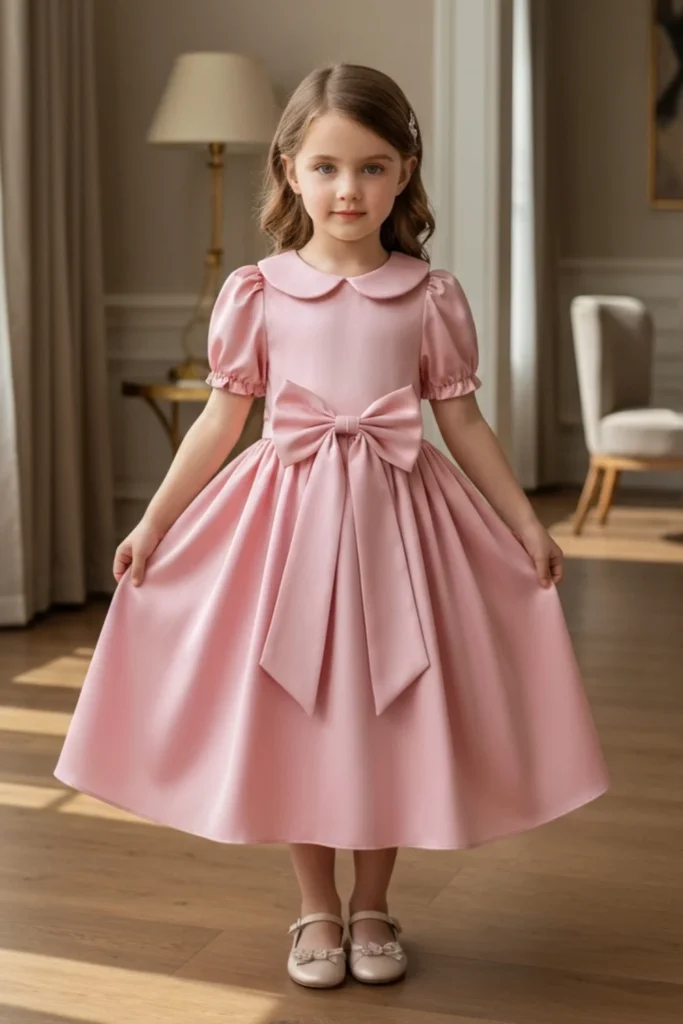
1. A-Line Satin Dresses with Empire Waists
The A-line silhouette remains a classic choice for toddlers and young girls, especially when combined with an empire waistline. This style offers several advantages:
- Creates a graceful shape without restricting movement around the legs
- The raised waistline prevents uncomfortable pressure on the tummy
- Allows plenty of room for running, twirling, and sitting comfortably
- Often features adjustable sashes that can be loosened as needed
2. Two-Piece Satin Ensembles
Two-piece designs featuring separate bodice and skirt components have gained popularity for good reason:
- Allow for different sizing between top and bottom for growing children
- Make bathroom trips easier for recently potty-trained toddlers
- Can be paired with different pieces as the child grows
- Often include elastic waistbands for comfort
3. Drop-Waist Satin Styles
The drop-waist silhouette provides a vintage-inspired look while offering practical benefits:
- Creates a looser fit around the torso for unrestricted movement
- The lower waistline won’t ride up during active play
- Works well for different body types and growth stages
- Often features pleating or gathering at the dropped waist for visual interest
4. Tea-Length Satin Dresses
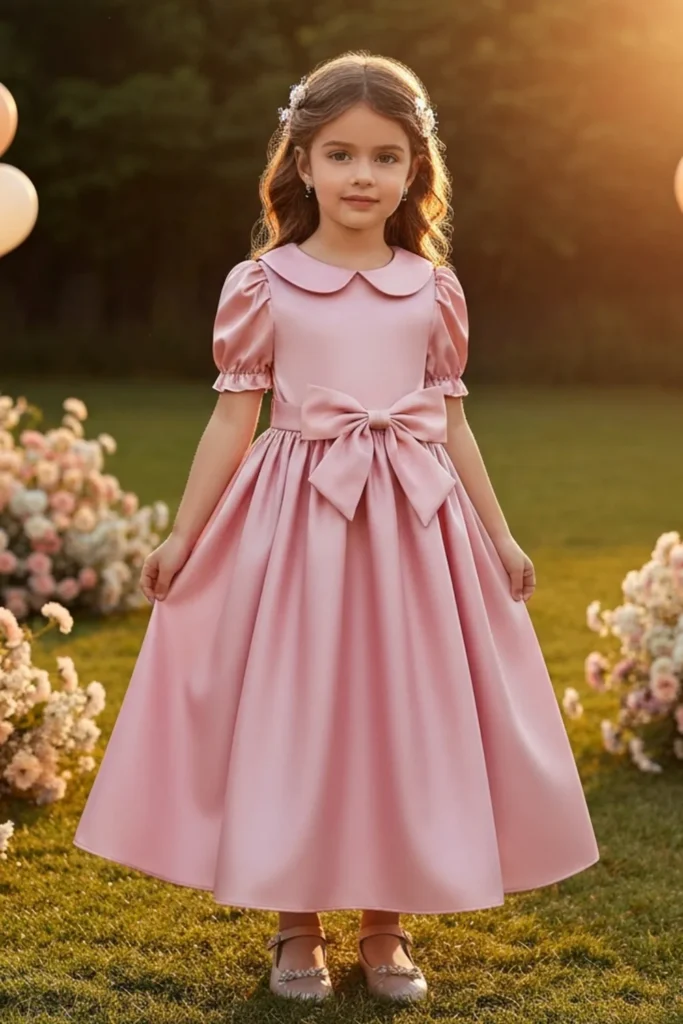
Tea-length dresses (falling between knee and ankle) provide an elegant compromise between full-length and shorter styles:
- Prevent tripping hazards common with floor-length dresses
- Showcase adorable dress shoes without sacrificing elegance
- Provide more coverage than knee-length styles
- Tend to have fuller skirts that encourage twirling and playful movement
5. Tiered Skirt Satin Creations
Tiered skirt designs offer both visual appeal and practical benefits:
- Create a delightful cascading effect that looks elegant in photos
- Allow for greater movement range than single-layer full skirts
- Provide built-in fullness without requiring uncomfortable petticoats
- Each tier can be customized with different embellishments or trim
Practical Considerations for Choosing the Perfect Dress
When selecting a satin dress for a toddler or young girl, several practical factors should influence your decision:
| Consideration | Why It Matters |
|---|---|
| Season and Temperature | Lighter satin weaves for summer; lined options for cooler weather |
| Duration of Event | Longer events require more comfortable, less restrictive styles |
| Child’s Age | Younger toddlers need simpler closures; older children can manage more complex styles |
| Activity Level | Very active children benefit from stretch blends and fuller skirts |
Size Selection Tips
Choosing the right size for a growing child presents unique challenges. Consider these guidelines:
| Age Range | Sizing Recommendation |
|---|---|
| 12-24 months | Size up one size; use adjustable features |
| 2-4 years | Choose styles with growth allowances in length |
| 4-7 years | Consider current measurements rather than age labels |
| All ages | Allow 1-2 inches of growth room, especially for events planned months ahead |
Care and Maintenance for Lasting Beauty
To ensure your child’s satin dress remains beautiful for future use or as a keepsake:
- Always check care labels, as some synthetic satins can be machine washed while others require hand washing
- Pre-treat any spots or stains immediately with gentle, child-safe products
- Avoid harsh chemicals that might damage the fabric’s sheen
- Store in acid-free tissue paper in a cool, dry place if keeping as a memento
- Consider professional cleaning for heirloom-quality pieces
Accessorizing Thoughtfully
When accessorizing a satin dress for a young child, prioritize comfort and safety:
- Choose hair accessories that won’t pull or pinch
- Select shoes with proper support, avoiding adult-style designs that may harm developing feet
- Consider the weather and have a coordinating cardigan or wrap for air-conditioned venues
- Limit jewelry to simple, secure pieces appropriate for the child’s age
Frequently Asked Questions About Satin Toddler Dresses
How do I prevent a satin dress from being too scratchy for my toddler?
Look for fully lined dresses with smooth seams. Before the event, wash the dress according to care instructions, which can soften the fabric. You can also use a gentle fabric softener designed for sensitive skin or have your child wear a soft cotton slip underneath for added comfort.
What’s the best way to handle bathroom visits when wearing a formal dress?
Choose styles that are easy to manage, such as those with back zippers that extend low enough or two-piece options. Teach older children how to hold up their skirts properly, and for younger children, consider pants-style undergarments that are easier to remove quickly.
How far in advance should I purchase a satin dress for a growing child?
Purchase no more than 2-3 months before the event when possible. If you must buy earlier, select styles with adjustable features like sashes, elasticized backs, or growth allowances in the hemline that can be let down.
Are satin dresses practical for very young toddlers who are still unsteady on their feet?
Satin can be slippery, so for newly walking toddlers, look for styles with textured underlayers or choose satin-cotton blends that provide better traction. Also, ensure the dress length doesn’t interfere with walking—tea length or slightly shorter is ideal.
How can I repurpose a special satin dress after the event?
Quality satin dresses can be repurposed in several ways: professionally cleaned and saved for younger siblings, converted into keepsake items like stuffed animals or pillow covers, or donated to organizations that provide formal wear to families in need.
Remember that while satin creates a magnificent impression for special occasions, the comfort and happiness of your child should remain the priority. The perfect dress allows for both elegance and the natural joy of childhood.