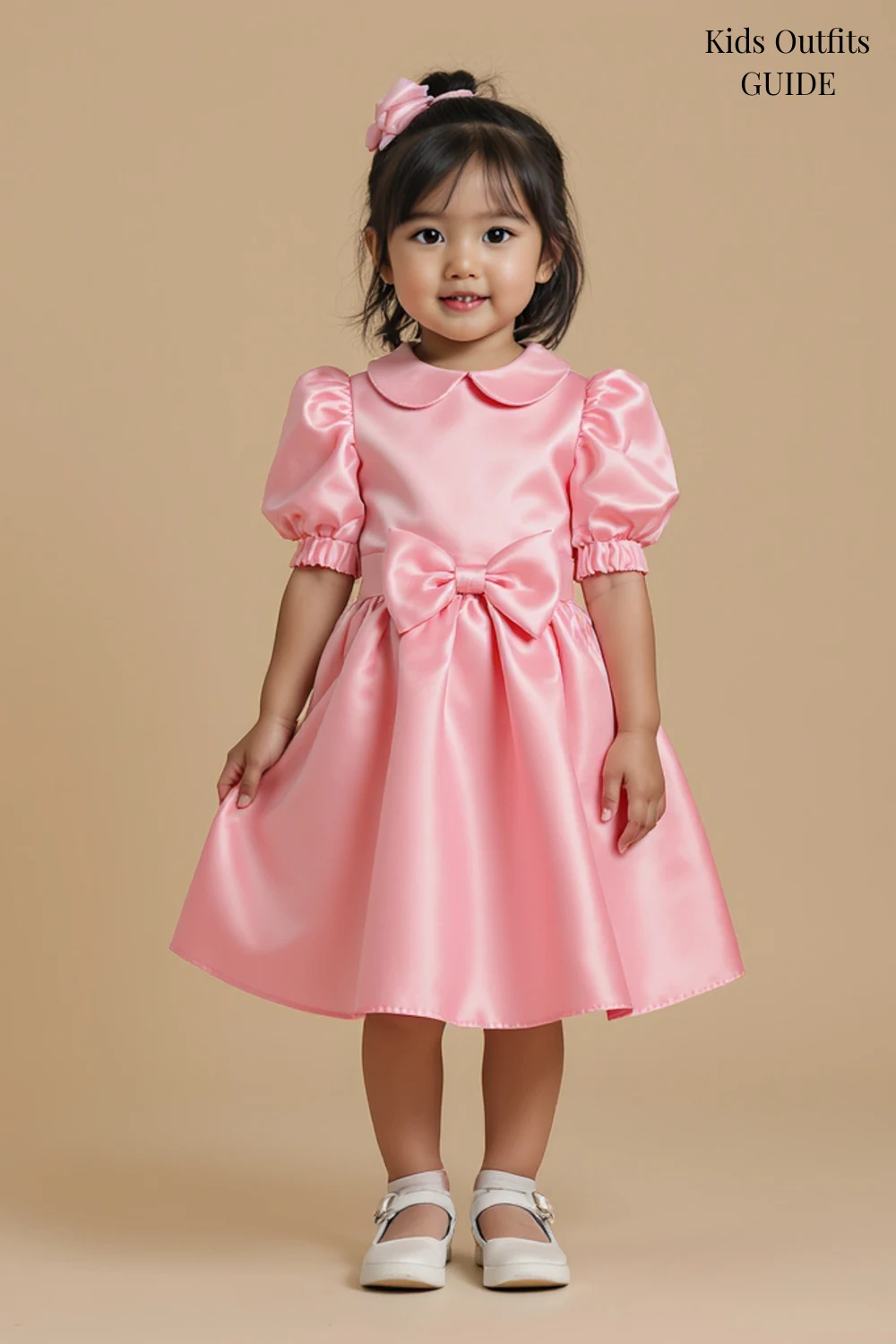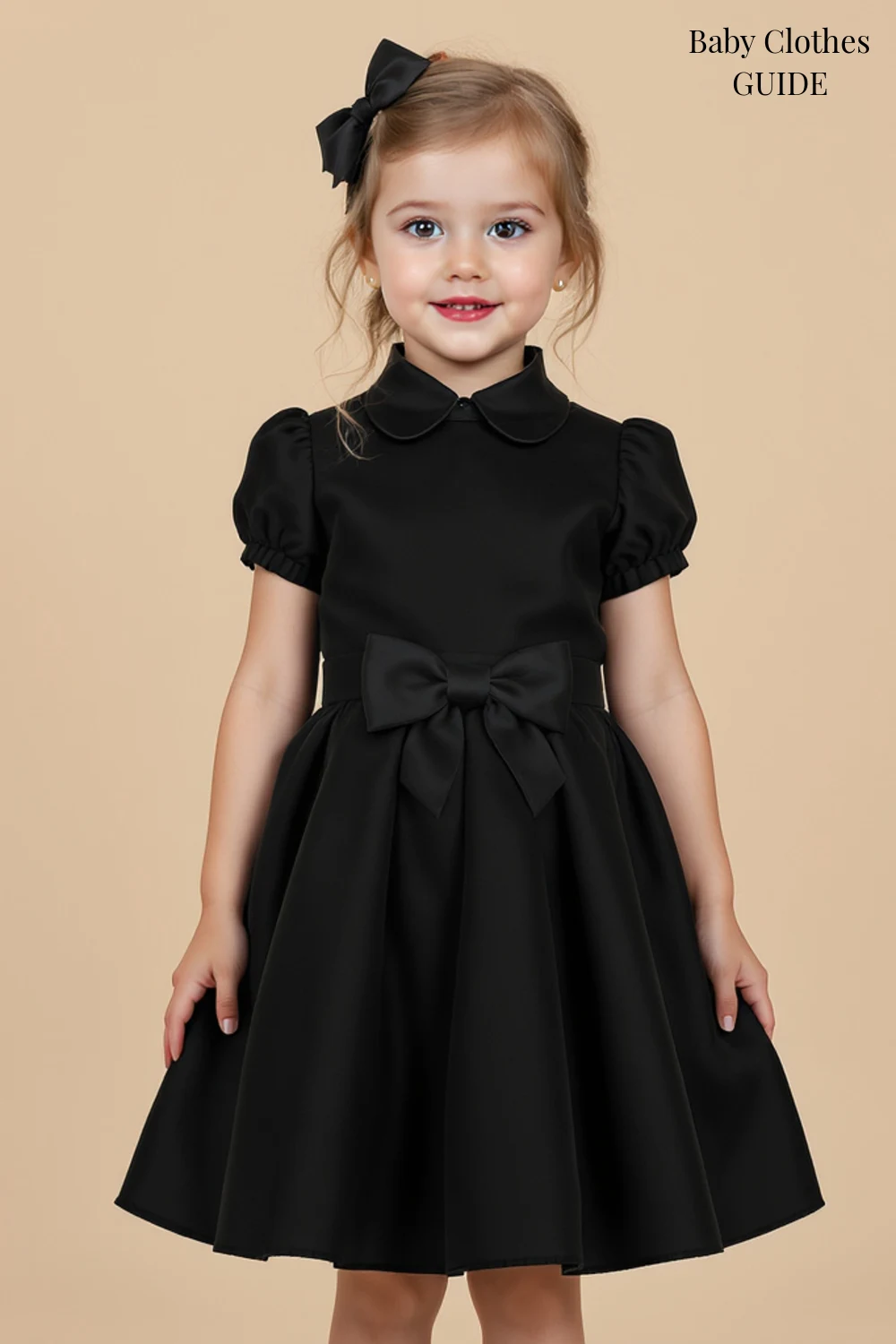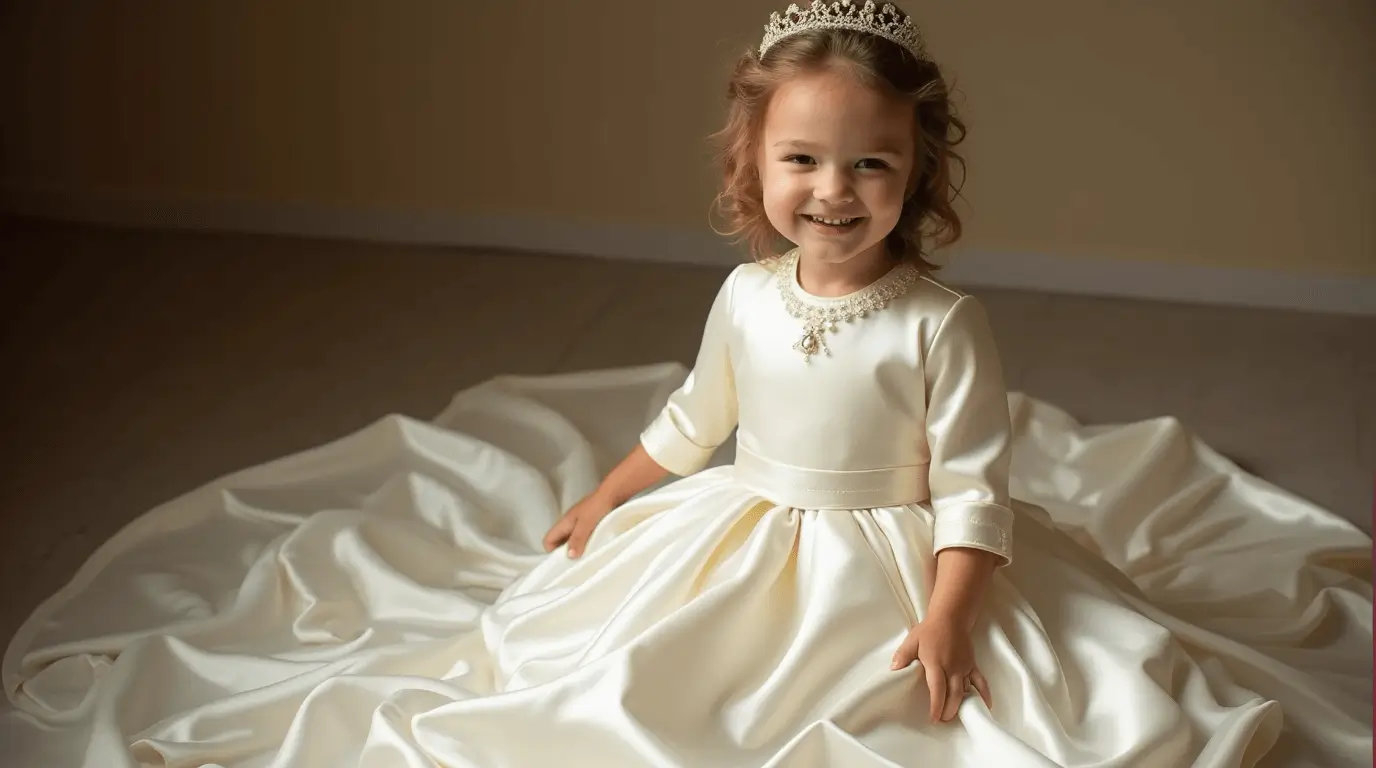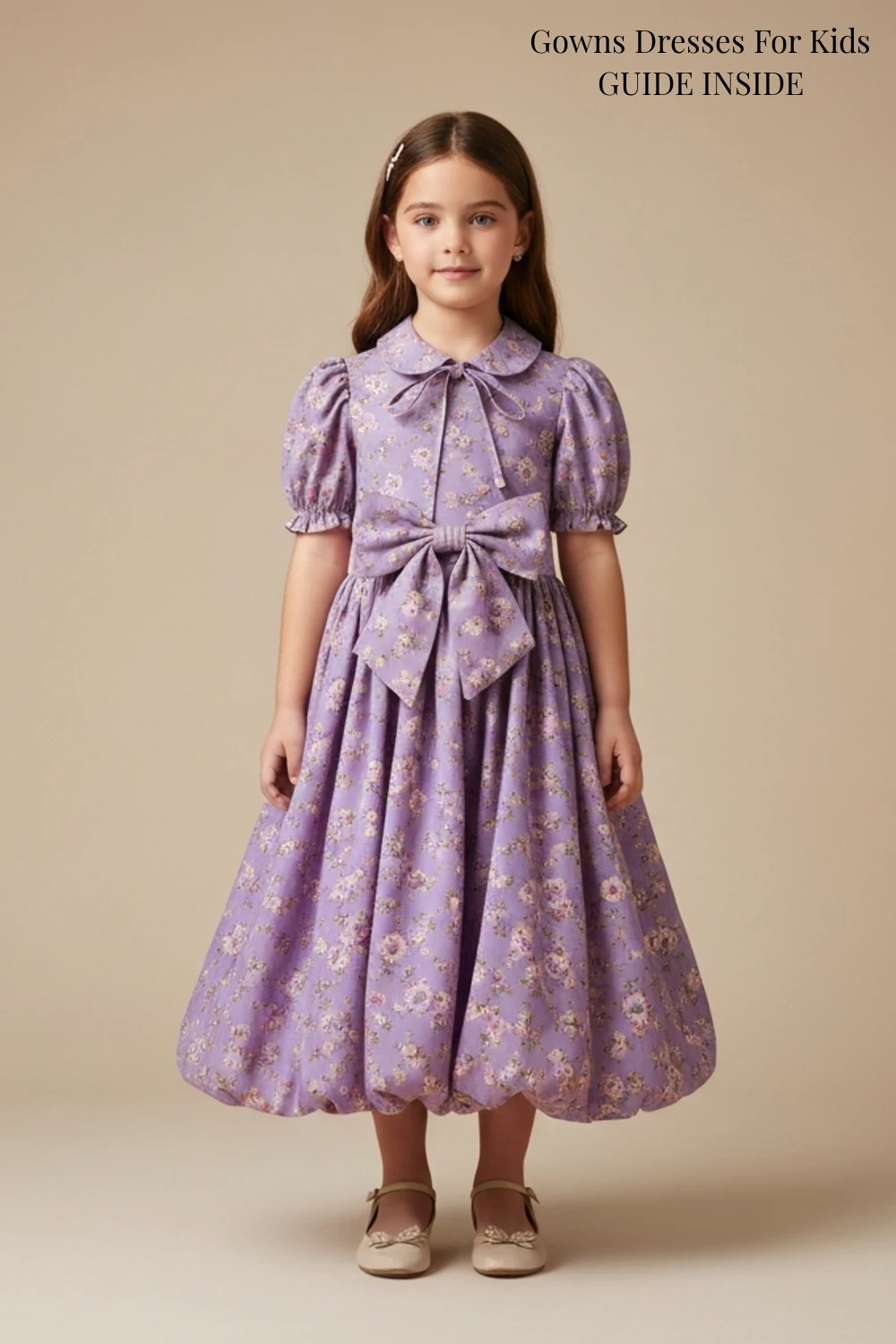

There is something undeniably magical about seeing a little girl dressed up for a wedding. The soft layers of fabric, the delicate details, the way she twirls across the dance floor — it all comes together in a moment that nobody forgets.
Whether she is the flower girl, a junior bridesmaid, or simply a cherished guest, choosing the right dress matters more than most parents realize. The wrong choice leads to discomfort, tears, and a child who refuses to wear it past the ceremony. The right choice creates a memory that lasts a lifetime.
This guide breaks down the five best Gowns Dresses For Kids styles for weddings, covering everything from fabric choices to silhouette options, age-appropriate details, and practical shopping tips. By the end, you will know exactly what to look for and how to make the best decision for the little one in your life.
Table of Contents
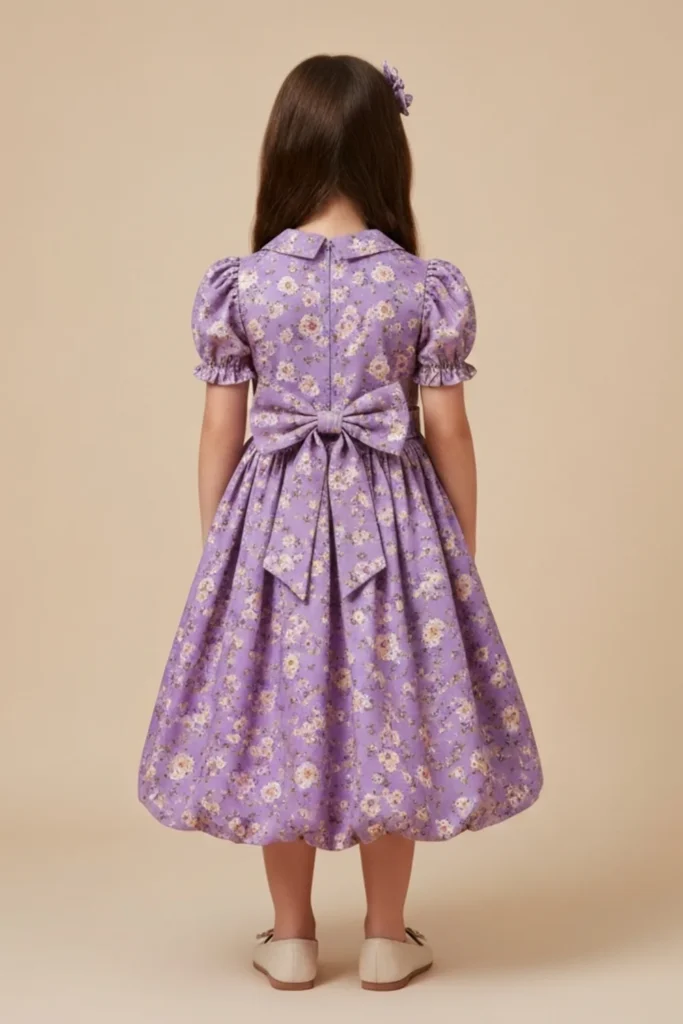
Why Choosing the Right Wedding Dress for a Little Girl Matters
A wedding is a formal, emotionally significant event. Children attending or participating in weddings are often photographed hundreds of times throughout the day. Beyond the visual element, comfort is critical. A child who feels itchy, restricted, or overheated will not cooperate — and that affects everyone around her.
Here are the key factors that separate a great kids’ wedding gown from a frustrating one:
- Fabric breathability — Weddings often run for several hours, sometimes outdoors
- Ease of movement — Children run, jump, and dance; the dress must allow it
- Secure fastenings — Zippers, buttons, and sashes need to stay in place
- Age-appropriate length — Floor-length gowns work beautifully for older girls; shorter tea-length styles suit toddlers better
- Color coordination — The dress should complement the overall wedding palette
With those factors in mind, let us explore the five standout styles that consistently perform best at weddings.
Style 1: The Classic Ball Gown Silhouette
Few things capture the imagination of a little girl quite like a full, sweeping ball gown. This silhouette features a fitted bodice and a dramatically full skirt that fans out from the waist. It is theatrical, elegant, and undeniably princess-like.
What Makes It Work for Weddings
The ball gown silhouette photographs exceptionally well in formal settings. The volume of the skirt creates a sense of grandeur that suits the ceremony environment perfectly. For flower girls especially, this style adds a sense of occasion to every step down the aisle.
Best age range: 4 to 12 years
Recommended fabrics: Tulle over satin, organza, or layered chiffon
Key detail to look for: A built-in petticoat or crinoline layer that maintains the skirt’s shape without requiring a separate undergarment
Practical Tips
- Choose a skirt length that falls just above the floor for younger children to prevent tripping
- Opt for a back zipper rather than a lace-up corset for ease of dressing
- Avoid overly stiff fabrics that restrict movement during the reception
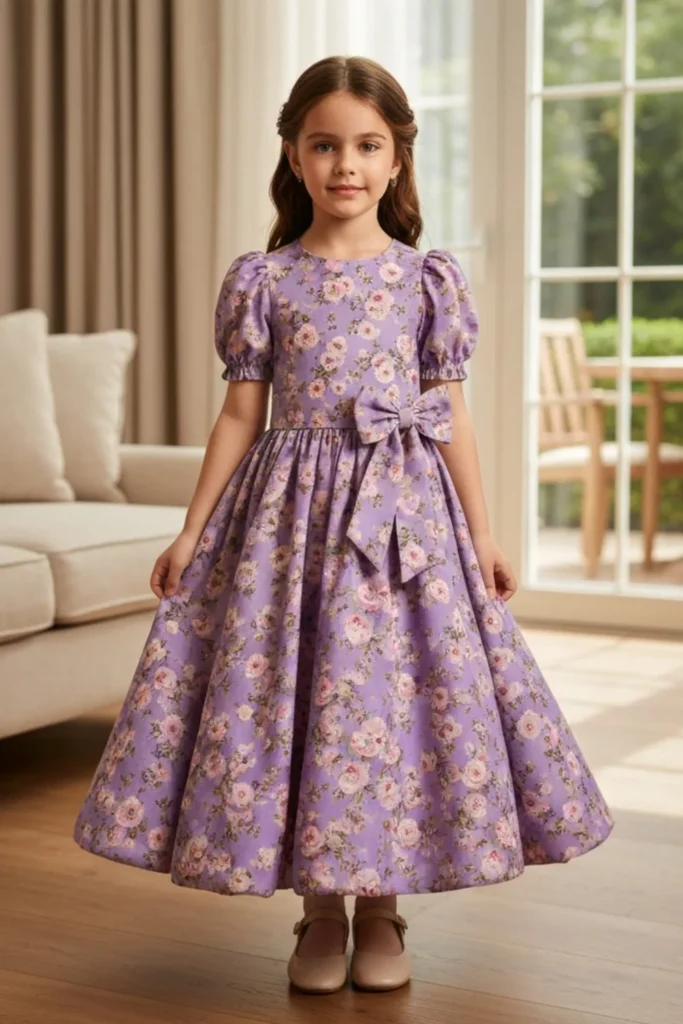
Style 2: The A-Line Gown
The A-line is arguably the most versatile silhouette in children’s formalwear. It skims gently from the shoulders or waist and flows outward in a soft, gradual flare — resembling the letter A. It is flattering on virtually every body type and comfortable enough for all-day wear.
Why Parents Love This Style
Unlike the full ball gown, the A-line does not require layers of netting underneath. This makes it lighter, cooler, and far more comfortable for children who are sensitive to texture or bulk. It also tends to be easier to launder after the event.
| Feature | Ball Gown | A-Line Gown |
|---|---|---|
| Volume | Very high | Moderate |
| Comfort for all-day wear | Moderate | High |
| Best for | Ceremony roles | Ceremony and reception |
| Fabric options | Tulle, organza | Chiffon, satin, lace |
| Age range | 4–12 years | 2–14 years |
Style 3: The Empire Waist Gown
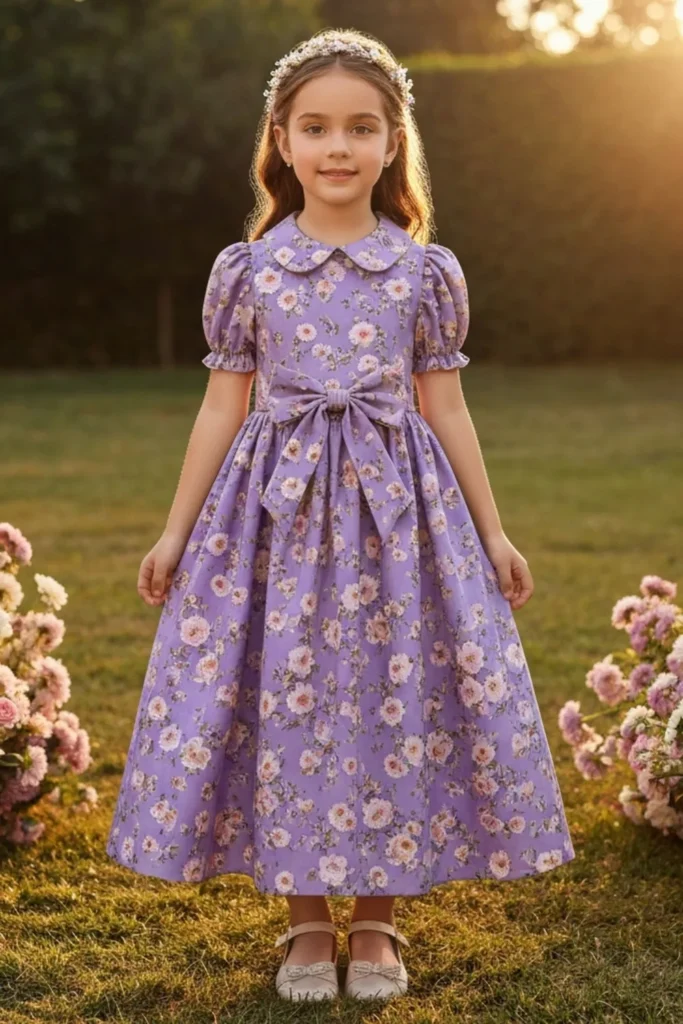
The empire waist style sits just below the chest, allowing the skirt to fall freely from that point downward. This silhouette has been a staple in children’s formalwear for generations, and for good reason — it is incredibly forgiving in fit and exceptionally graceful in motion.
Fabric Matters Most Here
Because the empire waist gown relies on drape rather than structure, fabric selection becomes the defining element of the look. Lightweight fabrics like chiffon and georgette create an ethereal, flowing effect. Heavier fabrics like duchess satin give the style a more formal, polished appearance.
For a truly elevated look, many designers layer a sheer overlay fabric over a satin base, creating depth and visual interest without adding significant weight.
Embellishment Ideas for the Empire Waist Style
- Floral appliqués at the waistband
- Beaded or sequined bodice with a plain flowing skirt
- Satin ribbon sash tied at the back
- Lace trim along the hemline
- Embroidered floral motifs scattered across the skirt
Style 4: The Tea-Length Gown
The tea-length gown falls somewhere between the knee and the ankle — typically hitting mid-calf. This length has made a strong comeback in children’s formalwear because it strikes the perfect balance between formal and practical.
Why Tea-Length Works Especially Well for Young Children
Toddlers and younger children (ages 2 to 6) often struggle with floor-length gowns. The excess fabric catches underfoot, making movement frustrating and increasing the risk of falls. The tea-length solves this problem elegantly without sacrificing the dressed-up feeling that makes the occasion special.
This style also showcases beautiful shoes — a detail that many children (and their parents) genuinely enjoy.
Popular color choices for tea-length wedding gowns:
- Ivory and champagne for traditional ceremonies
- Dusty rose and blush for romantic, garden-style weddings
- Sage green and lavender for outdoor or nature-themed celebrations
- Navy and deep burgundy for formal evening receptions
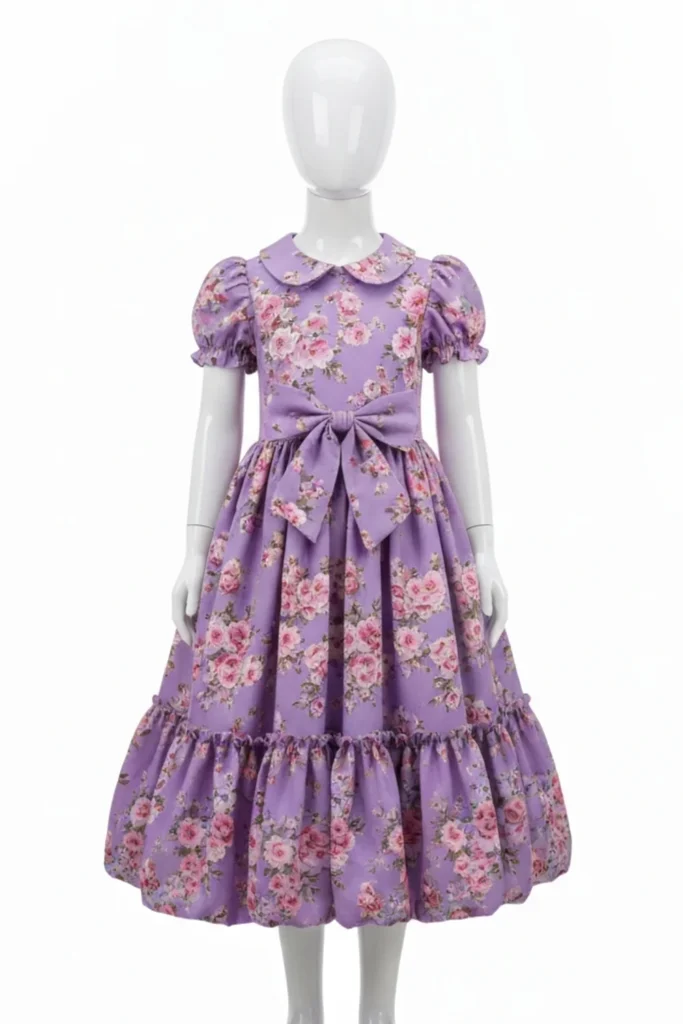
Style 5: The Layered Ruffle Gown
The layered ruffle gown is having a significant moment in children’s formalwear right now. This style features multiple tiers of fabric — each slightly longer than the one above — creating a cascading, textured effect that is both playful and sophisticated.
What Sets This Style Apart
The ruffle gown allows designers to experiment with color in ways that other silhouettes do not. Ombré effects, where the fabric gradually shifts from one shade to another, look stunning in this tiered format. A gown that transitions from pale blush at the top to deep rose at the hem creates a visually striking look that photographs beautifully.
This is also an excellent choice as a Gown Party Wear For Kids option that works beyond a single event — the style is versatile enough to be reworn at other formal gatherings throughout the year.
How to Choose the Right Size: A Practical Guide
Sizing in children’s formalwear can be inconsistent across brands. Always measure before purchasing, and never rely solely on age-based sizing charts.
| Measurement | How to Take It | Why It Matters |
|---|---|---|
| Chest | Around the fullest part of the chest | Determines bodice fit |
| Waist | Around the natural waistline | Critical for empire and A-line styles |
| Hips | Around the fullest part of the hips | Important for ball gown and A-line |
| Height | From top of head to floor (barefoot) | Determines appropriate gown length |
| Back length | From nape of neck to natural waist | Ensures bodice sits correctly |
Always order one size up if measurements fall between two sizes. A skilled seamstress can take in a gown that is slightly large; letting out a gown that is too small is often impossible without compromising the design.
FAQ: Gowns Dresses For Kids at Weddings
Q: At what age can a child wear a floor-length gown comfortably?
A: Most children can manage a floor-length gown from around age 5 or 6 onward. Before that age, tea-length or knee-length styles are safer and more practical.
Q: How far in advance should I order a formal gown for a child?
A: Order at least 8 to 12 weeks before the wedding date. Custom or made-to-order gowns may require even more lead time. This also allows room for alterations.
Q: What fabric is best for a summer outdoor wedding?
A: Chiffon and lightweight organza are ideal for warm-weather events. Both fabrics breathe well and move beautifully in outdoor settings.
Q: How do I keep a white or ivory gown clean during a wedding?
A: Bring a small stain-removal pen to the event. Dress the child in the gown as close to the ceremony as possible, and consider a short-sleeved cardigan or bolero jacket during the meal.
Q: Can a child wear a gown with a train?
A: A very short chapel train (12 inches or less) can work for older children in a flower girl role. Longer trains are generally impractical for children and are best avoided.
Q: What shoes pair best with a formal kids’ gown?
A: Mary Jane flats, low block-heeled dress shoes, or embellished flat sandals all work beautifully. Avoid high heels entirely — they are unsafe and uncomfortable for children.
Q: Is it appropriate for a child guest (not a flower girl) to wear a white gown?
A: This is a matter of etiquette and depends on the couple’s preferences. When in doubt, choose ivory, blush, or another soft neutral rather than pure white.
Q: How do I store the gown after the wedding?
A: Clean the gown according to the care label instructions, then store it in a breathable garment bag away from direct sunlight. Avoid plastic bags, which can trap moisture and cause yellowing over time.
Selecting the perfect dress for a little girl attending a wedding does not have to be overwhelming. With a clear understanding of the five key silhouettes — ball gown, A-line, empire waist, tea-length, and layered ruffle — and a practical approach to sizing and fabric, the process becomes genuinely enjoyable. The goal is always the same: a child who feels comfortable, looks beautiful, and creates memories worth keeping.