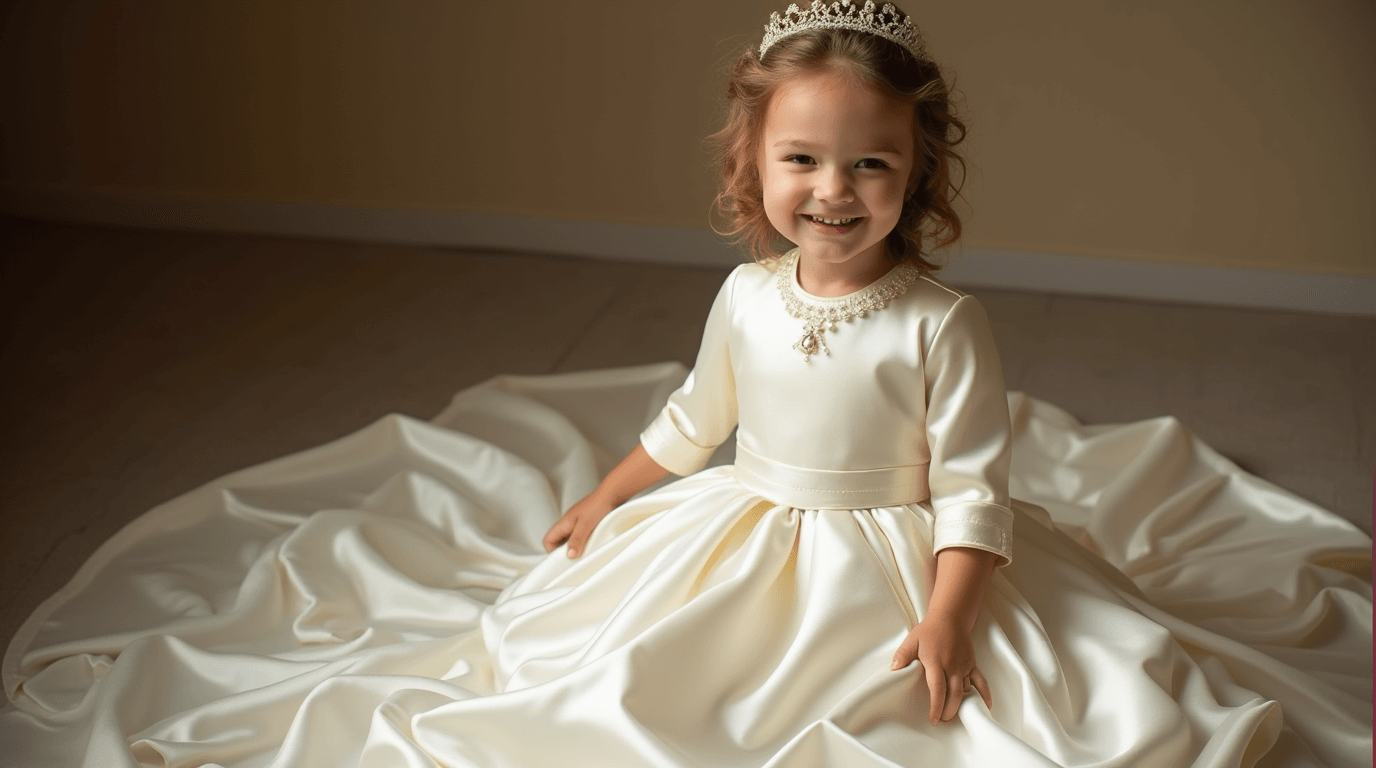
Finding the ideal casual wear dress for little girls can be both exciting and challenging for parents. With countless options available, it’s important to consider comfort, durability, and style that matches a child’s vibrant personality. This comprehensive guide will help you navigate the world of children’s dresses for everyday wear and special occasions.
-
- Understanding the Needs of Growing Children
- Fabric Choices That Make Sense for Children
- Seasonal Considerations for Year-Round Style
- Age-Appropriate Style Elements
- Special Occasion Dresses That Remain Practical
- Accessorizing Children's Dresses Appropriately
- Care and Maintenance for Longevity
- Frequently Asked Questions
- How do I choose the right size dress for my growing child?
- What fabrics are best for children with sensitive skin?
- How can I make party dresses more comfortable for active children?
- What's the best way to store special occasion dresses between wearings?
- How can I help my child develop their own style while keeping outfits age-appropriate?
- Are there sustainable options for children's dresses?
Understanding the Needs of Growing Children
Comfort Comes First
When selecting dresses for young girls, comfort should always be the priority. Children are constantly moving, playing, and exploring their environment. A dress that restricts movement or causes discomfort will likely end up unworn in the closet.
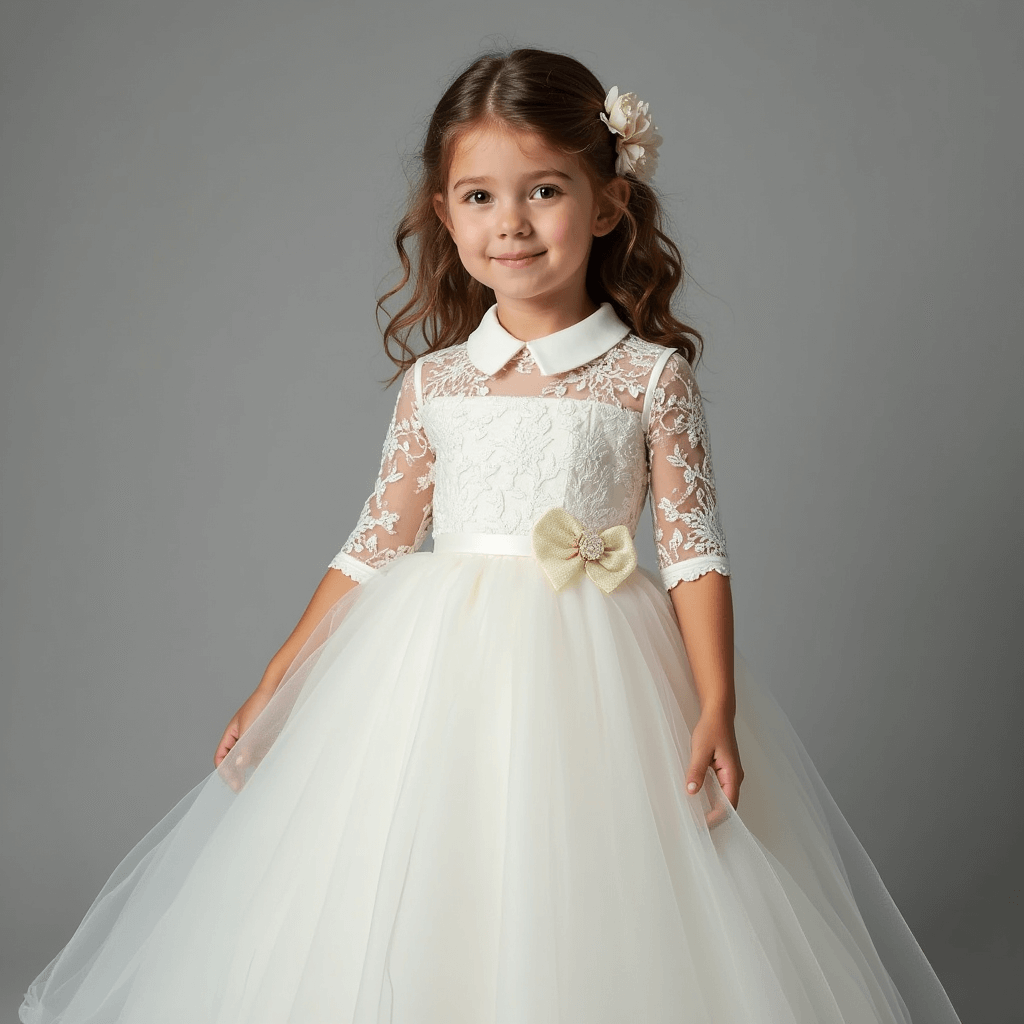
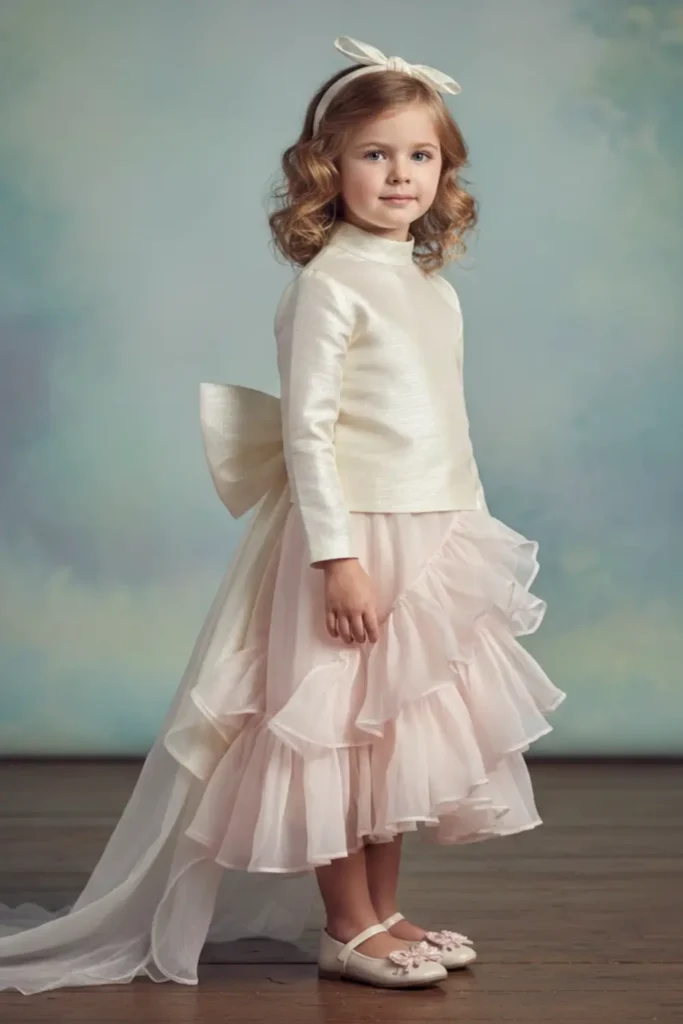
The High Collar style has gained popularity for offering both elegance and comfort. This design provides a sophisticated look while ensuring the fabric doesn’t irritate a child’s sensitive neck area.
Growth-Friendly Designs
Children grow rapidly, sometimes gaining inches in height over just a few months. Smart parents look for adjustable features that extend a garment’s usable lifespan:
- Adjustable straps or waistbands
- Hemlines that can be easily modified
- Stretchy fabrics that accommodate growth spurts
- Layering pieces that work across seasons
Durability for Active Play
Little girls need dresses that can withstand their active lifestyles. Consider these factors when assessing durability:
- Reinforced seams at stress points
- Quality stitching that won’t unravel after washing
- Fabrics that resist tearing and excessive wear
- Easy-care materials that maintain appearance after multiple washes
Fabric Choices That Make Sense for Children
The right fabric makes a tremendous difference in a dress’s comfort, appearance, and longevity. Here’s a helpful comparison of fabrics commonly used in children’s dresses:
| Fabric | Breathability | Durability | Ease of Care | Best For |
|---|---|---|---|---|
| Cotton | Excellent | Good | Easy | Everyday wear, summer parties |
| Cotton Blends | Very Good | Very Good | Easy | Year-round wear, active play |
| Linen | Excellent | Moderate | Moderate | Warm weather, casual events |
| Tulle | Moderate | Poor to Moderate | Delicate | Special occasions, short-term wear |
| Satin | Poor to Moderate | Moderate | Delicate | Brief formal events, photos |
| Jersey Knit | Very Good | Good | Very Easy | Casual play, everyday comfort |
| Denim | Moderate | Excellent | Very Easy | Rugged wear, outdoor activities |
For everyday play and casual events, natural fibers or comfortable blends are ideal. The Long Sleeve Kids designs in breathable cotton are particularly versatile, offering protection from the sun while keeping little ones comfortable throughout the day.
Seasonal Considerations for Year-Round Style
Spring and Summer Dresses
Warmer months call for lightweight, breathable fabrics that keep girls cool while they play:
- Sleeveless or short-sleeve styles
- A-line cuts that allow air circulation
- Light cotton or linen-blend fabrics
- Bright colors and playful patterns
Fall and Winter Options
Cooler weather requires different considerations:
- Layering capabilities for temperature regulation
- Thicker fabrics like velvet, corduroy, or flannel
- Longer sleeves and higher necklines
- Options for adding tights or leggings underneath
The Dream Tops collection offers wonderful transitional pieces that work beautifully when temperatures begin to drop, providing extra warmth while maintaining a stylish look.
Age-Appropriate Style Elements
Toddlers (Ages 2-4)
- Simple designs with minimal embellishments
- Easy-on, easy-off styles (minimal buttons or zippers)
- Stretchy waistbands and comfortable fits
- Washable fabrics that can handle frequent cleaning
Young Girls (Ages 5-7)
- More detailed designs with modest embellishments
- Dresses that encourage independence in dressing
- Styles that accommodate active play
- Durable construction for playground adventures
Special Occasion Dresses That Remain Practical
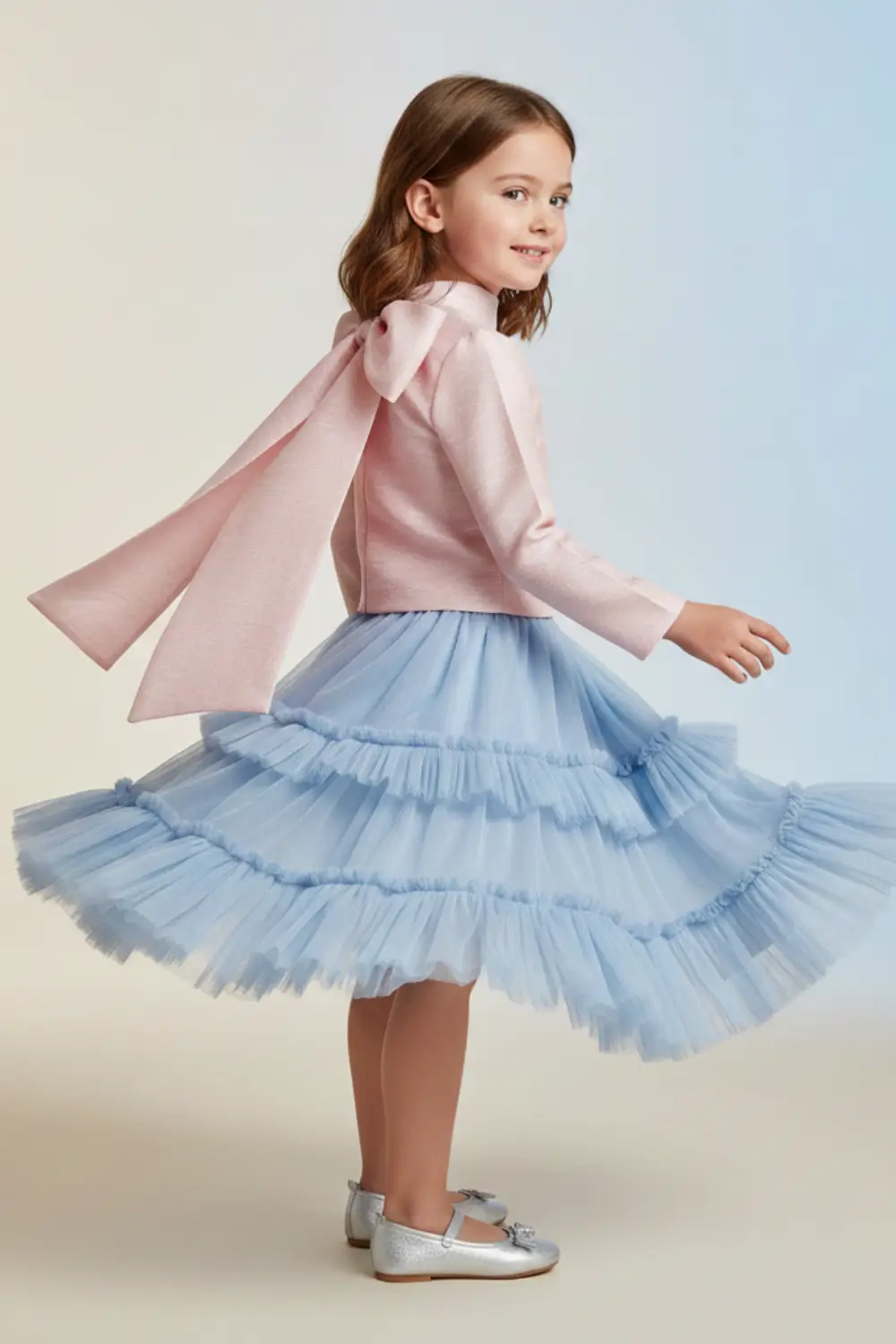
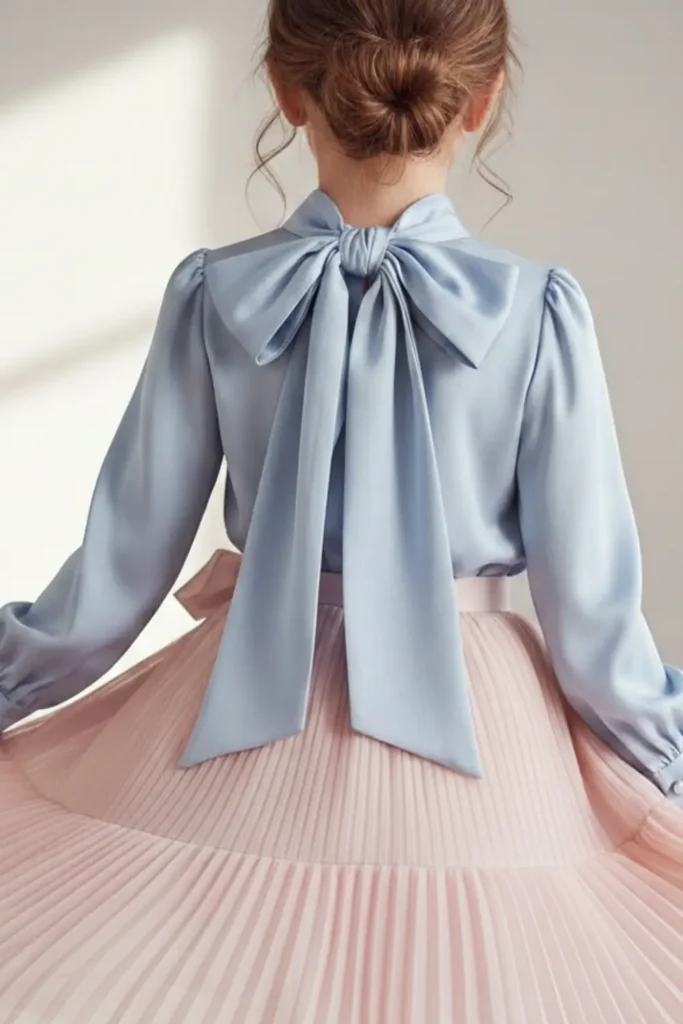
Even for special events, children’s dresses should maintain practicality while offering that “special” feeling. The Bow Back Top design combines elegance with comfort, featuring a delightful decorative element that doesn’t interfere with movement or comfort.
Party-Ready Yet Comfortable
For special occasions, consider these features:
- Soft linings that prevent itching or discomfort
- Adequate room for movement and sitting
- Designs that don’t require constant adjustment
- Machine-washable fabrics for inevitable spills
Sizing Guide for Special Occasion Dresses
Proper sizing is especially important for event dresses, as an ill-fitting garment can cause discomfort and distraction during an important day:
| Age Range | Typical Height Range (inches) | Chest (inches) | Waist (inches) | Recommended Size |
|---|---|---|---|---|
| 2-3 years | 33-37 | 20-21 | 19-20 | 2T-3T |
| 4-5 years | 37-43 | 22-23 | 20-21 | 4-5 |
| 6-7 years | 43-49 | 24-26 | 21-22 | 6-7 |
| 8-9 years | 49-53 | 27-28 | 22-24 | 8-9 |
Note: Always measure your child before purchasing, as sizes can vary between brands.
Accessorizing Children’s Dresses Appropriately
The right accessories can elevate a simple casual wear dress to something special, but it’s important to keep accessories age-appropriate and practical:
- Comfortable hair accessories that stay in place
- Simple jewelry pieces designed specifically for children
- Weather-appropriate layers like cardigans or light jackets
- Age-appropriate footwear that allows for safe play
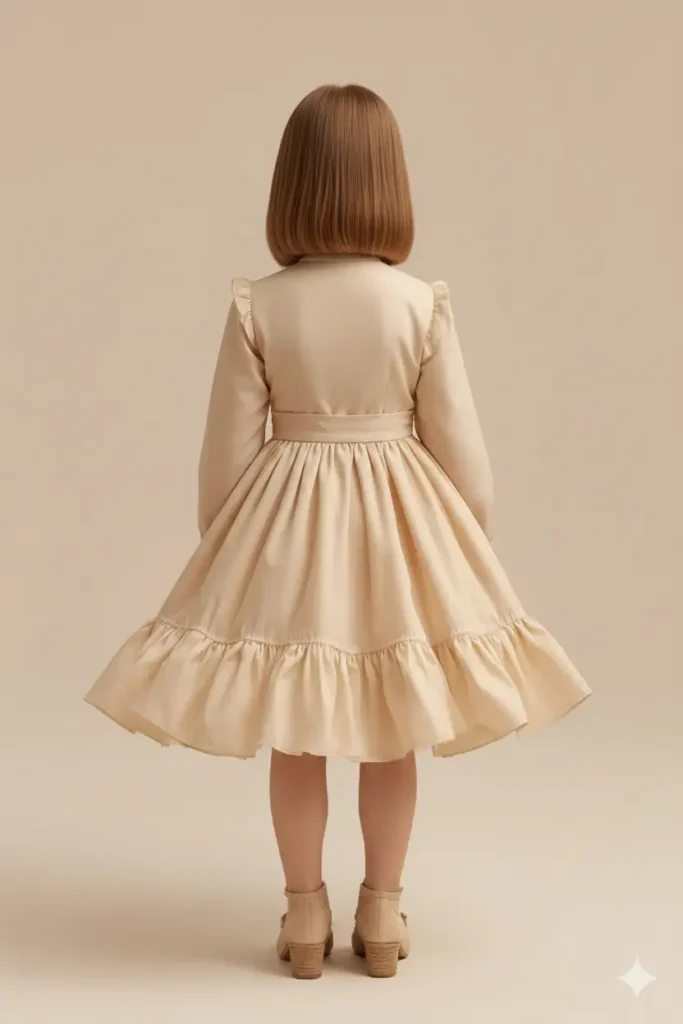
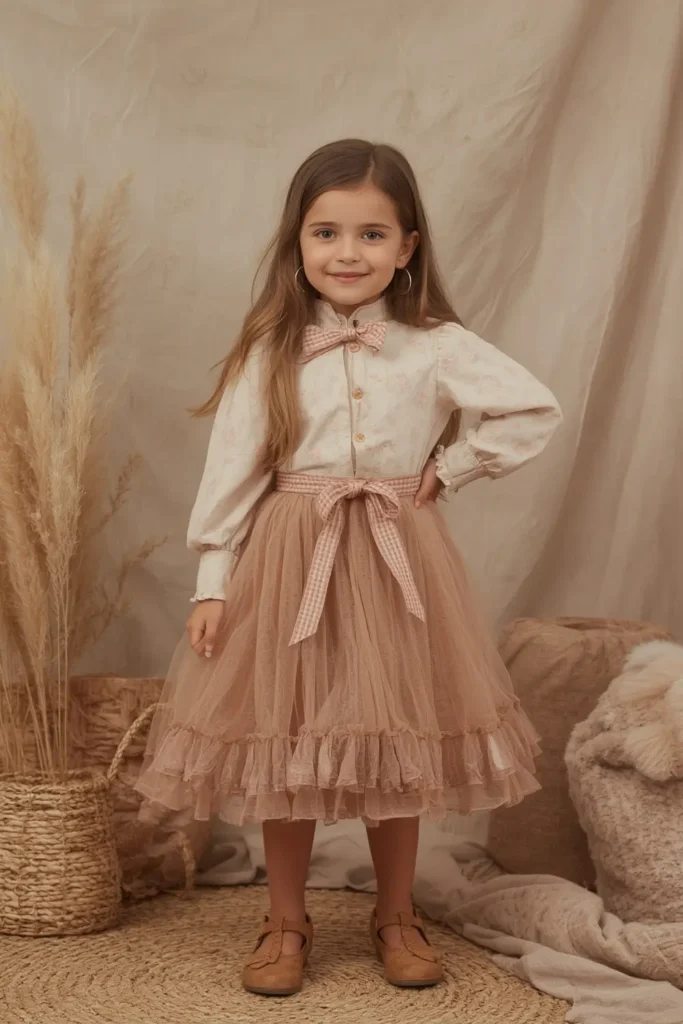
The Ruffle Wrap Skirt style pairs wonderfully with simple accessories, creating an ensemble that’s both playful and polished without being overly complicated.
Care and Maintenance for Longevity
To maximize the lifespan of children’s dresses:
- Follow care instructions precisely
- Treat stains immediately with child-safe products
- Consider fabric protector sprays for special occasion garments
- Store properly between wearings to prevent wrinkles and damage
Frequently Asked Questions
How do I choose the right size dress for my growing child?
Always measure your child’s current height, chest, and waist before purchasing. Consider sizing up slightly for room to grow, especially for casual wear dresses that will be worn frequently. Look for adjustable features like elastic waistbands or adjustable straps.
What fabrics are best for children with sensitive skin?
100% cotton, bamboo, and soft cotton blends are ideal for sensitive skin. Avoid synthetic fabrics with rough textures or scratchy embellishments. Pre-wash new garments before wearing to remove any manufacturing chemicals or residues.
How can I make party dresses more comfortable for active children?
Look for designs with built-in shorts underneath, stretchy bodices, or wrap styles that move with your child. The Bow Back Top design offers a festive look while maintaining full range of movement for active little ones.
What’s the best way to store special occasion dresses between wearings?
Store dresses on padded hangers to maintain shape, with acid-free tissue paper to prevent creasing on delicate fabrics. Keep them in breathable garment bags away from direct sunlight to prevent fading and fabric degradation.
How can I help my child develop their own style while keeping outfits age-appropriate?
Offer guided choices within appropriate options. For example, let them select between three suitable dresses rather than giving unlimited options. Encourage them to express preferences about colors, patterns, and simple design elements while parents maintain final approval.
Are there sustainable options for children’s dresses?
Yes! Look for brands using organic cotton, recycled materials, or those with take-back programs. Consider clothing rental services for special occasion dresses, or organize clothing swaps with other parents to extend garment lifecycles and reduce waste.
By focusing on comfort, durability, and age-appropriate designs, you’ll find perfect Casual Wear Dresses that delight both you and your little one. Remember that the best dress is one that allows a child to remain a child—comfortable, carefree, and confident in their own unique style.