
Introduction to Children’s Formal Attire
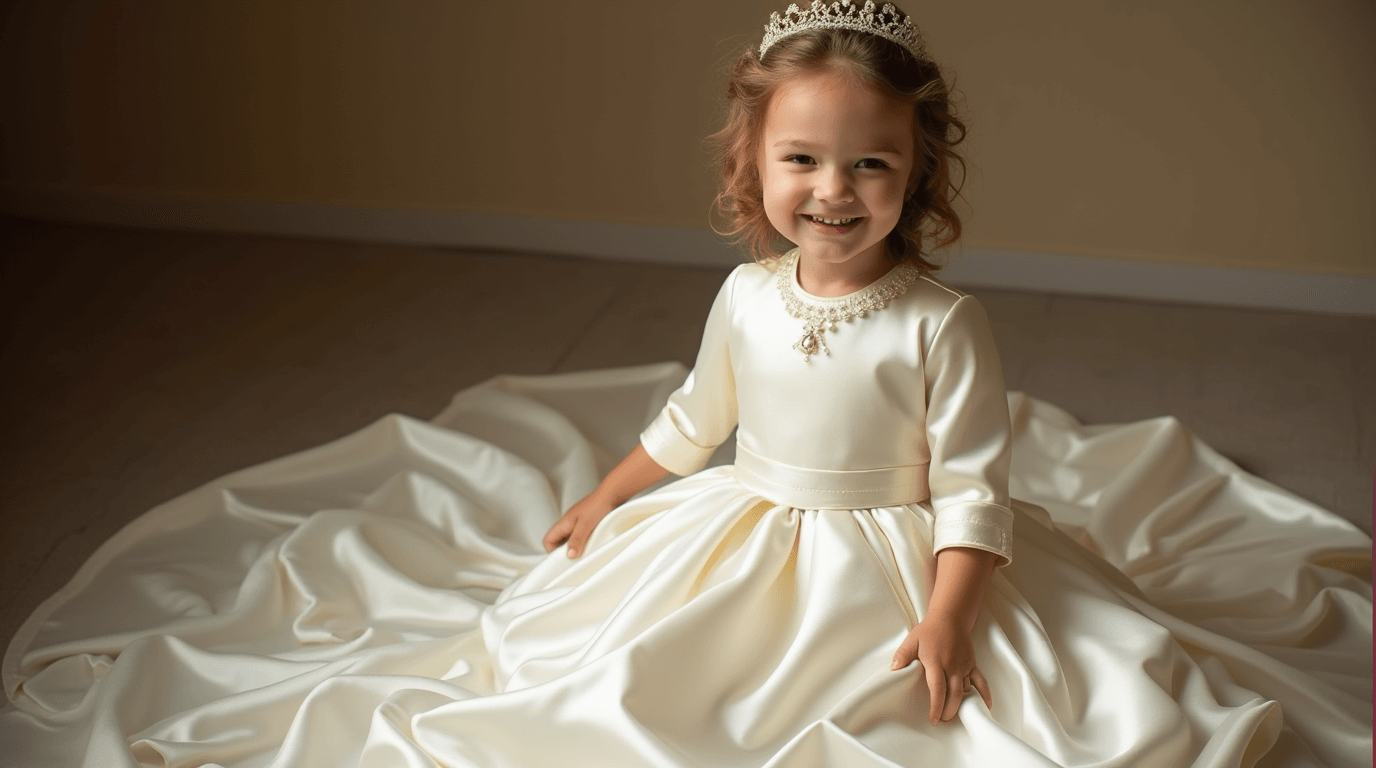
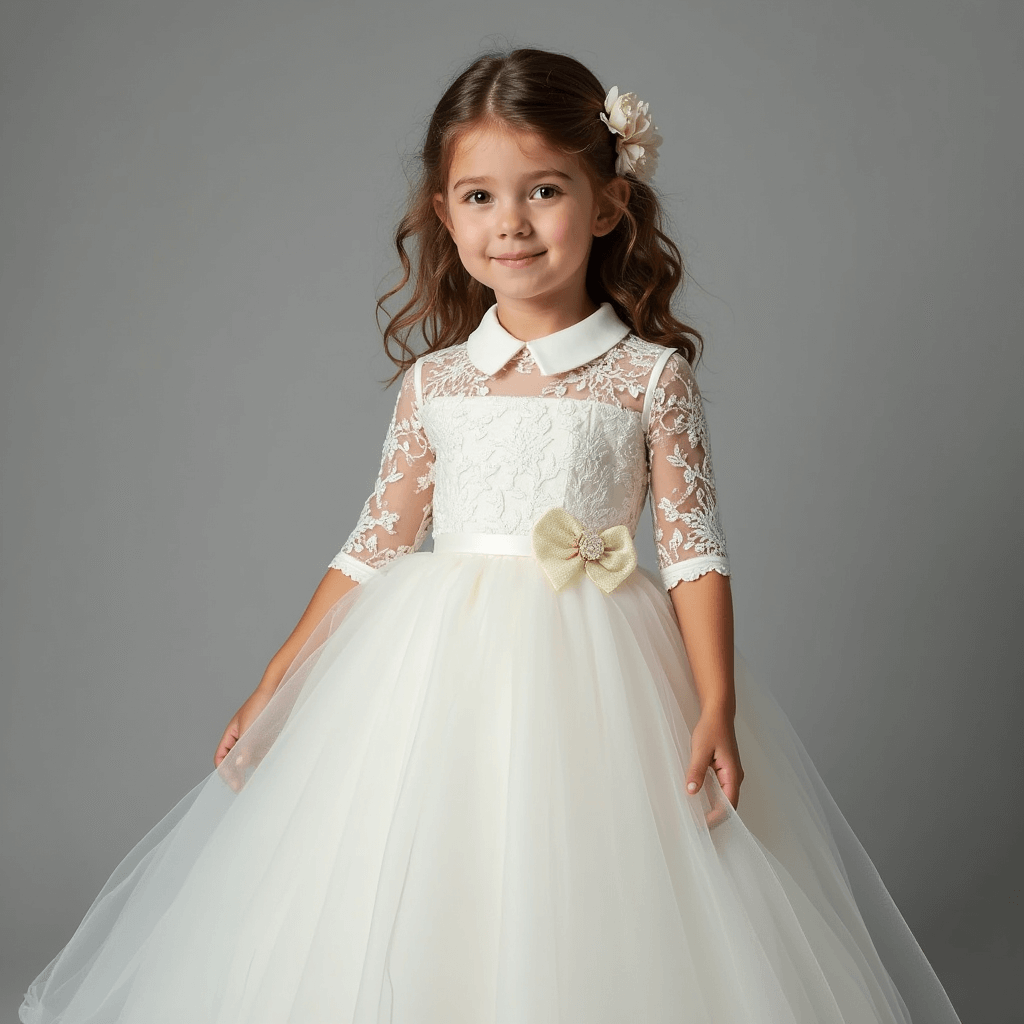
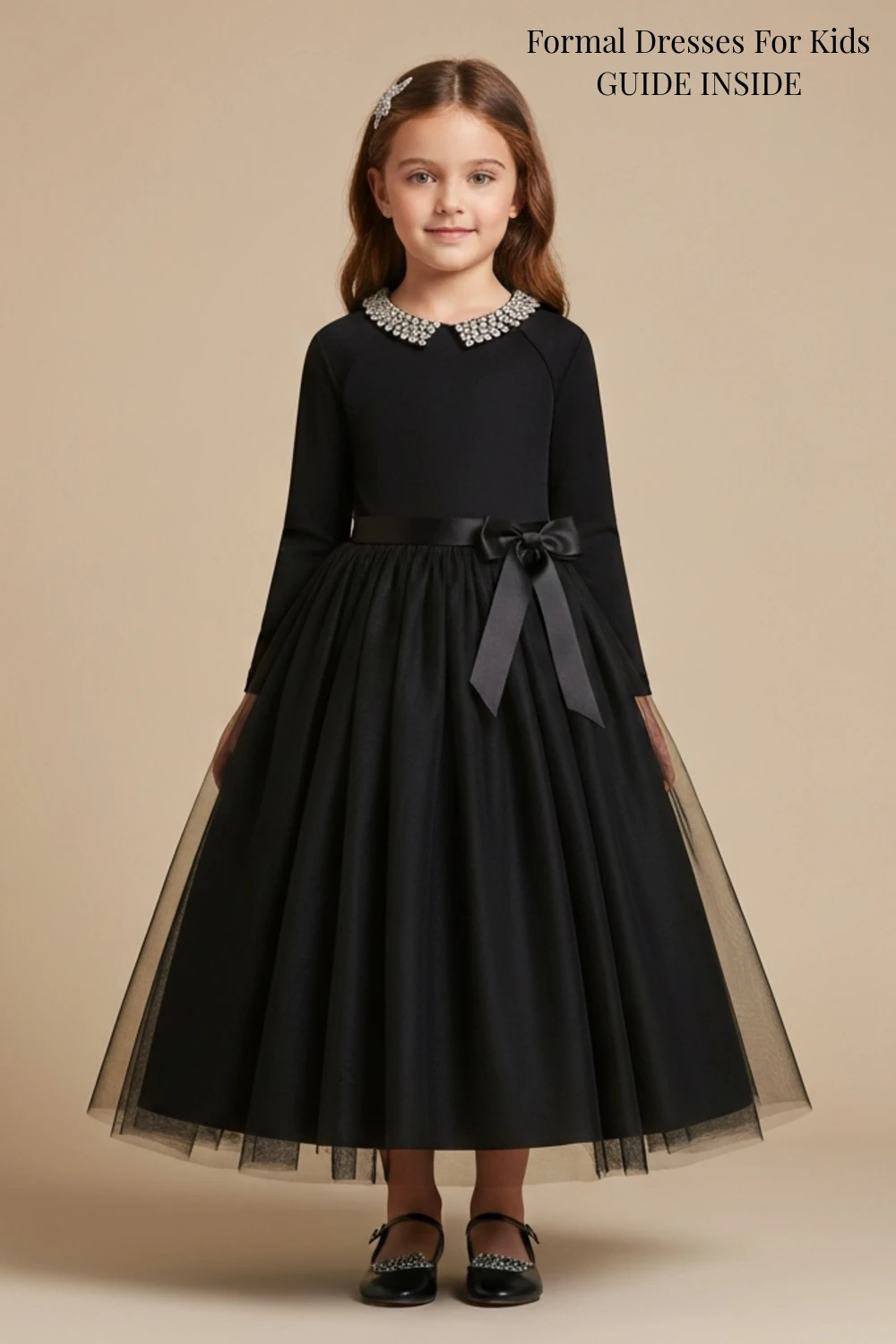
When it comes to special occasions, finding the perfect Formal Dresses For Kids can be both exciting and challenging. Whether it’s a wedding, a family gathering, or a school event, dressing your little one in an outfit that combines elegance with comfort is essential.
Today’s market offers a wide variety of styles that cater specifically to children’s needs while keeping them looking their best.
In this comprehensive guide, we’ll explore the five best formal dress options for children that balance sophistication with practicality. We’ll consider factors like fabric quality, comfort features, growth allowances, and designs that allow for active play – because even at formal events, kids will be kids!
Table of Contents
Why Quality Matters in Children’s Formal Wear
Fabric Considerations for Active Children
The foundation of any great children’s dress begins with the fabric. Unlike adults, children require materials that can withstand their constant movement, potential spills, and general playfulness. When shopping for Childrens Party Dresses, prioritize these child-friendly fabrics:
| Fabric Type | Benefits for Children |
|---|---|
| Cotton Blends | Breathable, soft on sensitive skin, machine washable |
| Tulle with Cotton Lining | Provides the fancy look with comfort underneath |
| Satin with Stretch | Elegant appearance with movement flexibility |
| Polyester Blends | Wrinkle-resistant, durable for active wear |
| Natural Silk | Temperature-regulating, gentle on skin |
Growth-Friendly Design Elements
Children grow quickly, making it practical to choose formal dresses with features that accommodate growth spurts:
- Adjustable waistbands or tie-backs
- Hemlines with generous seam allowances
- Stretchy smocked bodices that expand with the child
- Layered designs that still look appropriate as they shorten with growth
- Convertible styles that can be worn multiple ways

Top 5 Formal Dress Styles for Children’s Special Occasions
1. Classic A-Line Dresses with Modern Twists
The A-line silhouette remains a timeless choice for children’s formal wear. It offers a flattering shape for all body types while providing freedom of movement. Today’s A-line dresses for children feature:
- Comfortable elastic backs with decorative buttons in front
- Hidden pockets for little treasures (and busy hands)
- Soft, non-scratchy embellishments like embroidery rather than sequins
- Breathable cotton-blend linings
- Machine-washable fabrics despite their formal appearance
2. Two-Piece Ensembles for Versatility
Two-piece formal outfits have gained popularity in children’s fashion for practical reasons:
- Separate tops and skirts accommodate different sizing needs
- Individual pieces can be paired with other items for multiple outfits
- Bathroom independence is easier with separates
- The outfit can be customized based on the formality of the event
- Tops can be worn with casual bottoms after the event
3. Princess-Inspired Dresses with Practical Features
Many children love princess-inspired formal wear, and designers have responded with options that combine fantasy with functionality:
- Lightweight tulle overlays that don’t restrict movement
- Removable decorative elements that can be detached for cleaning
- Shorter lengths that prevent tripping hazards
- Comfortable stretchy bodices beneath decorative exteriors
- Machine-washable materials despite the fancy appearance
4. Tea-Length Dresses with Playful Details
Tea-length dresses (falling between knee and ankle) offer an ideal balance for children’s formal events:
- Long enough for formality but short enough for safe play
- Perfect showcase for decorative socks or comfortable dress shoes
- Less likely to drag on the ground or cause tripping
- Often feature twirl-friendly circle skirts
- Include playful details like ruffled hemlines or contrasting sashes
5. Boutique-Style Dresses with Custom Elements
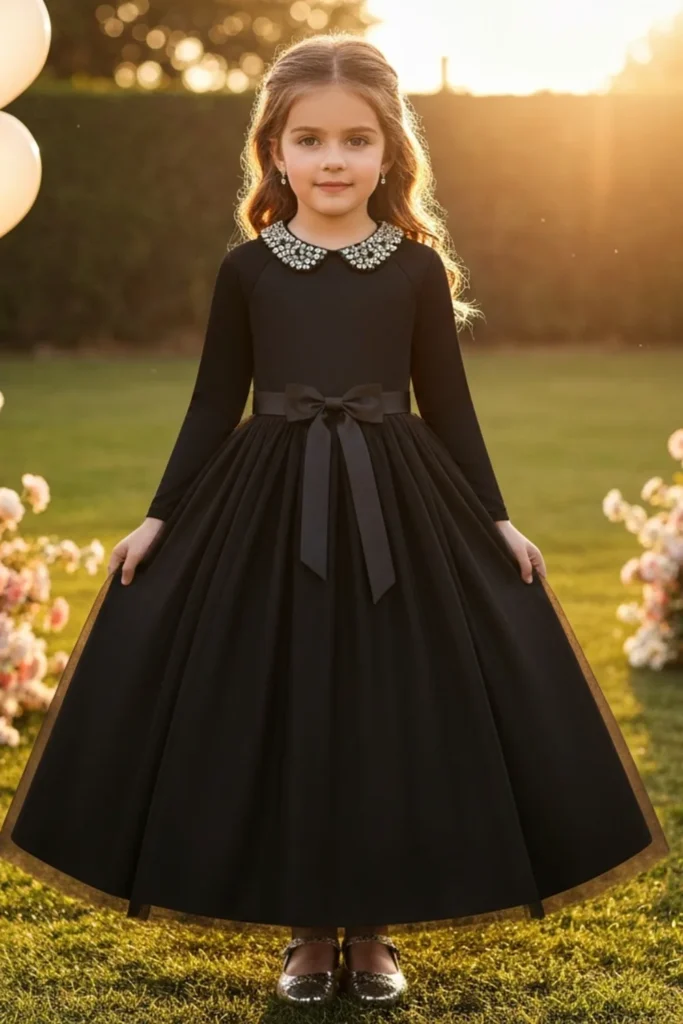
Boutique dresses offer unique styling with attention to comfort:
- Hand-finished details that maintain softness against skin
- Customizable elements like interchangeable sashes
- Thoughtful inclusion of lining even in decorative areas
- Specialized features like discreet diaper cover coordination for toddlers
- Growth-friendly design elements like adjustable straps
Shopping Guide: What to Look for When Purchasing
When investing in formal wear for children, consider these practical factors beyond aesthetics:
| Consideration | Why It Matters |
|---|---|
| Seam Comfort | No scratchy interiors that cause discomfort or irritation |
| Bathroom Accessibility | Easy for children to manage independently |
| Temperature Appropriateness | Layering options for different venue temperatures |
| Care Instructions | Ideally machine washable despite formal appearance |
| Movement Freedom | Allows running, sitting, and normal child activities |
Accessorizing Children’s Formal Attire
The right accessories complete a child’s formal look while maintaining comfort:
- Soft headbands rather than tight-fitting options
- Slip-on shoes with secure closures but no complicated buckles
- Lightweight cardigans or boleros for temperature changes
- Simple, secure jewelry designed specifically for children
- Comfortable undergarments that don’t pinch or restrict
Care Tips to Extend the Life of Formal Children’s Dresses
Make the investment in quality formal wear last longer with these care techniques:
- Read labels carefully before washing
- Use garment bags for machine washing delicate items
- Treat stains immediately with child-safe spot cleaners
- Air dry when possible to prevent shrinkage
- Store in breathable garment bags rather than plastic
FAQ: Children’s Formal Dress Questions Answered
How far in advance should I purchase a formal dress for my child?
Purchase 2-3 months before the event to allow time for any necessary alterations while not risking a significant growth spurt between purchase and wear date. Consider buying slightly larger with adjustment options like sashes or hemming.
What’s the best way to get a child’s accurate measurements?
Measure when they’re in a relaxed state, not after active play. Use a soft measuring tape and record chest, waist, and height. For special occasion shopping, getting professional measurements can be helpful as children’s proportions vary widely.
How do I choose between white and colored formal dresses for children?
Consider the event’s formality, the child’s preferences, and practicality. White dresses show stains more easily but are traditional for certain ceremonies. Colored dresses can offer more personality and conceal minor spots better.
What undergarments are appropriate for children’s formal dresses?
Choose seamless, comfortable options in colors that match the dress fabric. For younger children, ensure any undergarments accommodate bathroom independence. Avoid adult-style undergarments that aren’t designed for children’s comfort or proportions.
How can I make sure my child stays comfortable throughout a formal event?
Pack a small comfort kit with: comfortable backup shoes, a lightweight cardigan, hair ties or clips for long hair that becomes bothersome, and a familiar small toy or book for quiet moments. Consider the event schedule and plan for rest periods.
What’s the best way to transport a child’s formal dress to prevent wrinkles?
Use a child-sized garment bag and lay it flat in the car if possible. For travel, roll dresses in tissue paper rather than folding. Upon arrival, hang the dress in a steamy bathroom to release wrinkles naturally.
Finding the perfect formal dress for your child involves balancing aesthetics with practicality. By choosing well-designed pieces that prioritize comfort alongside style, you ensure your little one can fully enjoy special occasions while looking their very best.