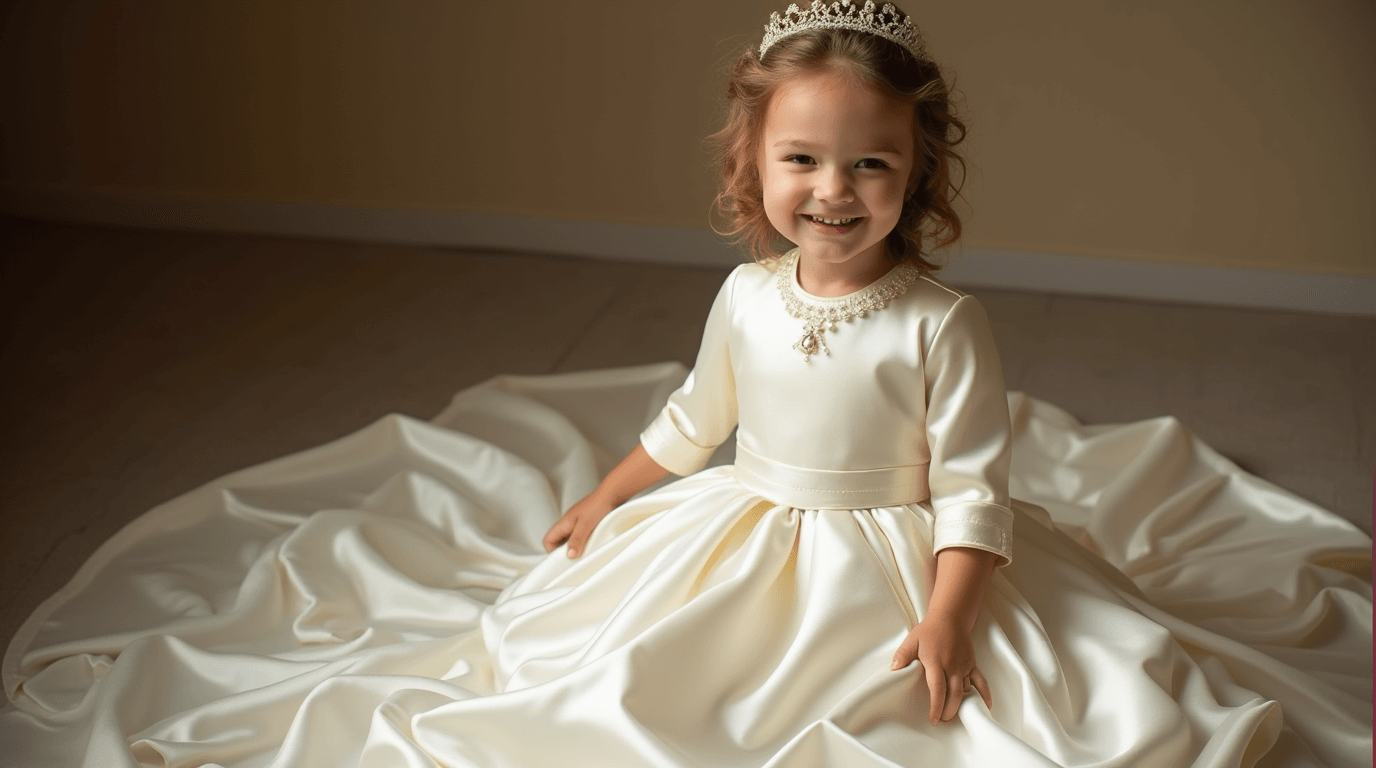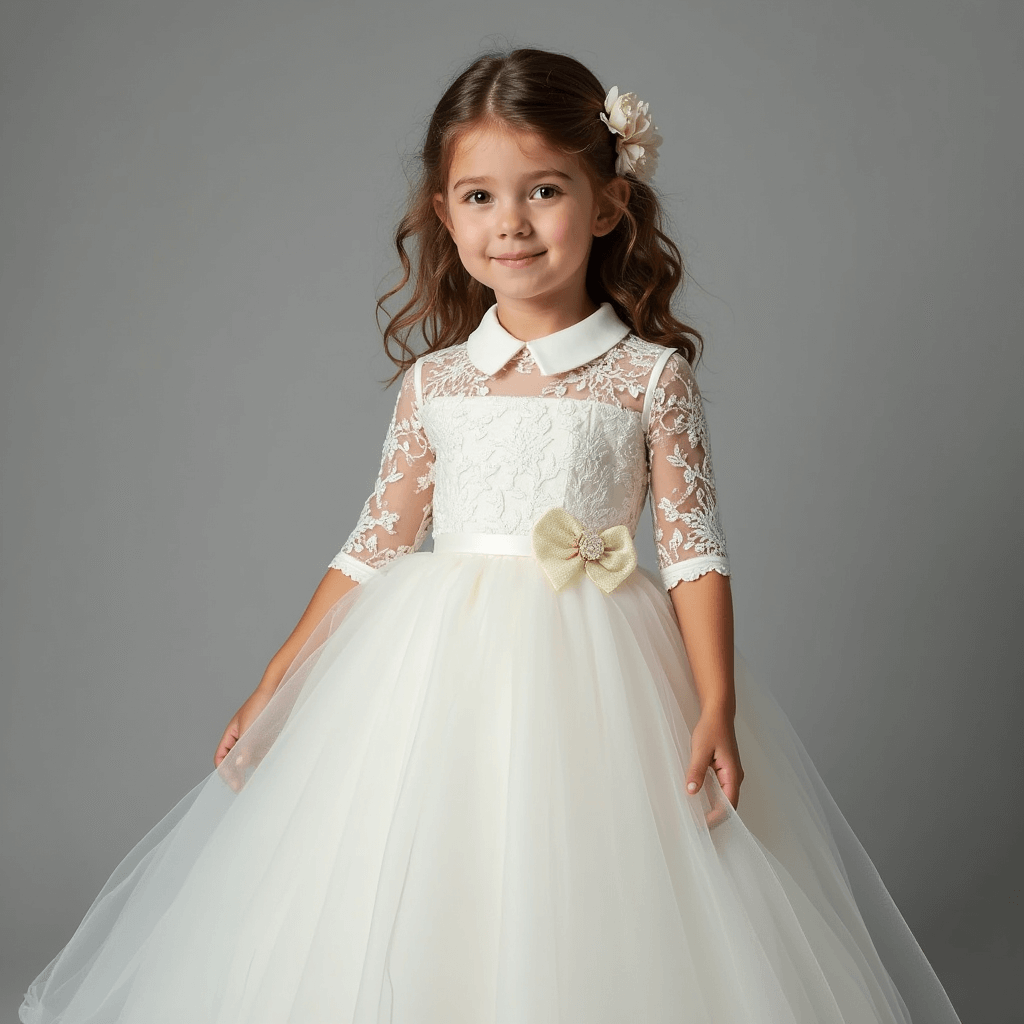

There is something genuinely magical about watching a little girl walk into a wedding reception or a formal event dressed to perfection. The right dress does not just look beautiful — it gives children confidence, lets them feel part of the celebration, and creates memories that last a lifetime.
Whether you are searching for the ideal flower girl look or simply want your daughter to shine at a special gathering, choosing Formal Dresses For Kids can feel both exciting and a little overwhelming.
This guide breaks down the five best styles for weddings and events, covering fabrics, silhouettes, details, and practical tips so you can make a confident, informed choice for your little one.
Table of Contents
Why the Right Dress Matters for Young Girls at Formal Events
Children move differently than adults. They twirl, run, sit on the floor, and climb onto chairs. A great formal dress for a child must balance elegance with comfort, structure with flexibility, and beauty with practicality. Getting this balance right means your daughter will enjoy the event rather than spend it tugging at an uncomfortable outfit.
Beyond comfort, the dress should match the tone of the event. A garden wedding calls for something lighter and more whimsical. A black-tie affair might require a more polished silhouette with refined details. Understanding these nuances before you shop saves time and prevents last-minute stress.
The 5 Best Formal Dress Styles for Kids
Style 1: The Purple Satin Ball Gown
Few looks are as iconic at a formal children’s event as a classic ball gown crafted from purple satin fabric. Satin has a natural luminosity that catches light beautifully, making it ideal for indoor ceremonies and evening receptions. The rich depth of purple — whether deep violet or softer lavender — photographs exceptionally well and stands out in a crowd without clashing with typical wedding palettes.
Why children love it:
- The full skirt allows for twirling, which is a non-negotiable requirement for most girls under ten
- Satin feels smooth and cool against the skin, reducing discomfort during long events
- The color feels regal and special, giving girls an instant confidence boost
What to look for when shopping:
- A fully lined interior to prevent itching
- Adjustable back closures such as buttons or a zip with a modesty panel
- Reinforced seams at the waist since children are active and the dress needs to hold up
Style 2: The Sparkly Purple Top with Flowing Skirt
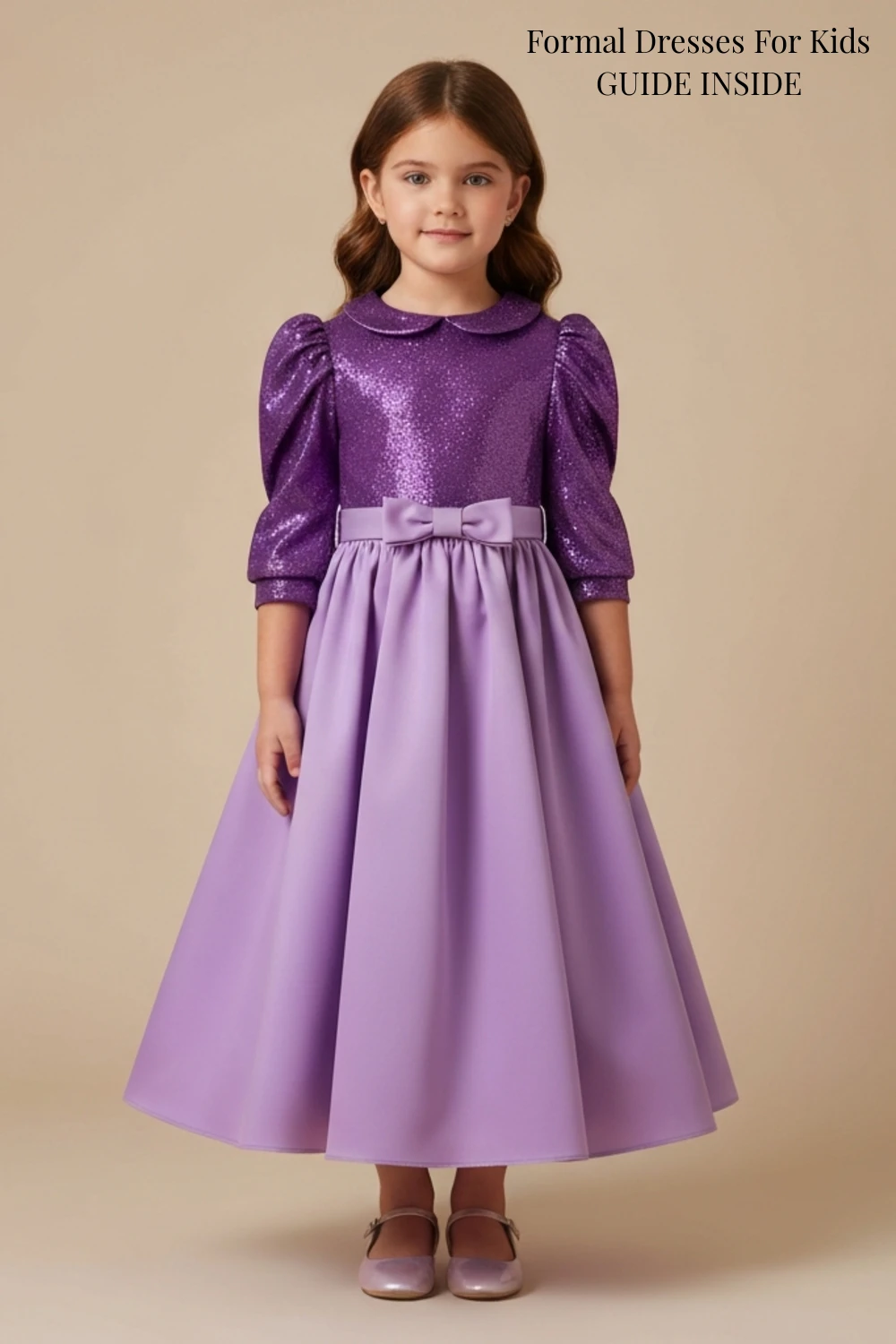
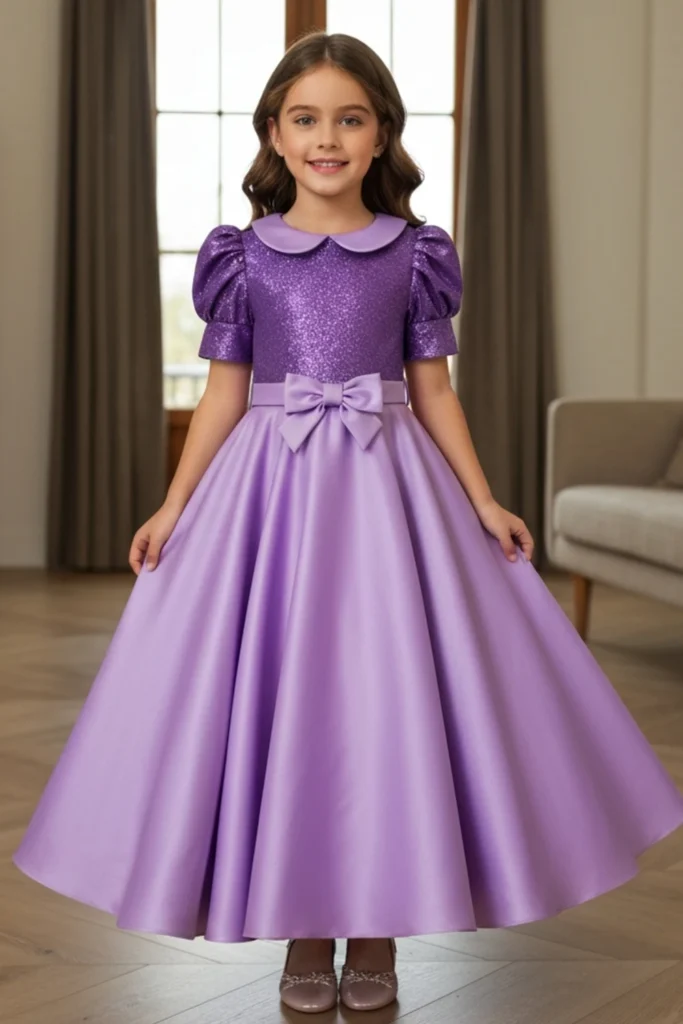
One of the most popular silhouettes in children’s formalwear right now combines a sparkly purple top with a softer, flowing skirt. This two-tone approach adds visual interest and allows for more movement than a structured gown. The top typically features embellished tulle, sequin overlays, or delicate beading that catches the light with every step.
This style works particularly well for flower girls who need to walk down an aisle and remain comfortable throughout a multi-hour celebration.
Key features to prioritize:
- Secure embellishments that will not scratch skin or fall off during wear
- A top that sits at a natural waistline rather than cutting across the midsection
- Fabric that does not require dry cleaning since children and spills are inseparable
Dress To Impress Outfits in this category often pair the sparkly top with a contrasting or tonal skirt, creating a look that feels curated and intentional without being overly stiff.
Style 3: The Lavender Skirt with Structured Bodice
A lavender skirt paired with a structured, fitted bodice is one of the most versatile formal options available for girls aged three through twelve. Lavender is a universally flattering shade for children, working beautifully across a range of skin tones and hair colors. It also complements nearly every wedding color palette, from blush and ivory to sage and navy.
The structured bodice provides shape without restricting movement, and the lavender skirt adds a dreamy, ethereal quality that suits outdoor ceremonies especially well.
Styling tips for this look:
- Pair with simple white Mary Jane shoes for a classic finish
- Add a small floral crown or simple headband rather than a heavy tiara
- Keep accessories minimal so the dress remains the focal point
Style 4: The Peter Pan Collar Dress
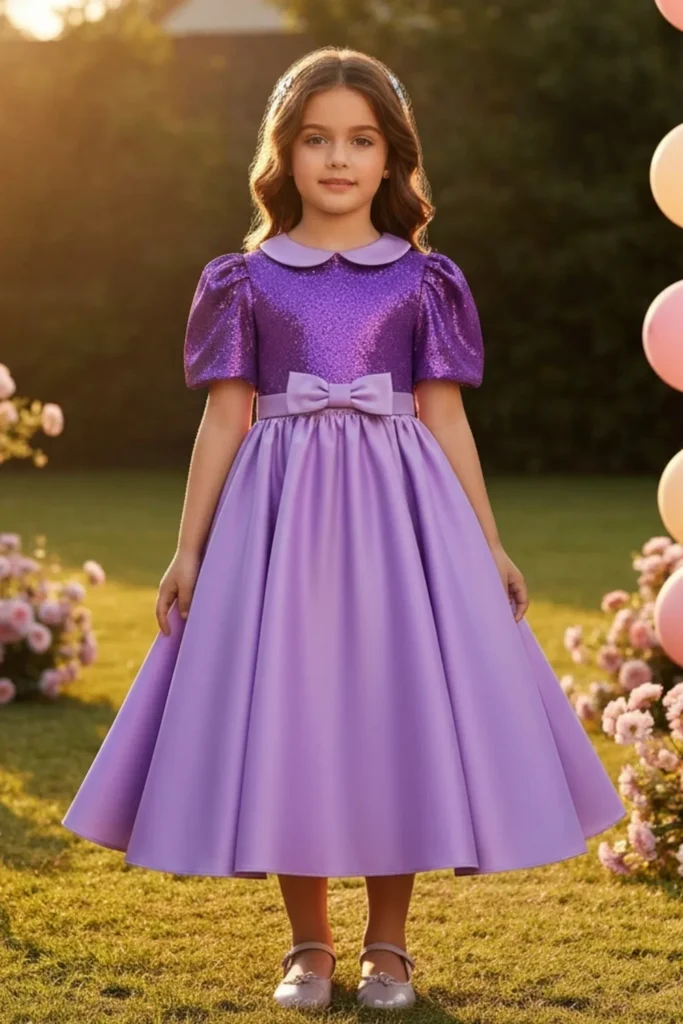
Timeless, sweet, and undeniably charming — the Peter Pan collar dress has been a staple of children’s formalwear for decades, and it shows no signs of disappearing. This rounded, flat collar sits close to the neck and adds an old-fashioned elegance that feels perfectly suited to formal occasions.
Peter Pan collar dresses work especially well in structured fabrics like cotton poplin, velvet, or a light wool blend. They are particularly popular for younger girls between the ages of two and six.
Why this style endures:
- The collar frames the face beautifully in photographs
- It reads as formal without being fussy or overly elaborate
- It is easy to layer under a cardigan or bolero for outdoor events in cooler weather
| Age Group | Recommended Collar Style | Best Fabric Pairing |
|---|---|---|
| 2–4 years | Wide Peter Pan Collar | Cotton poplin or velvet |
| 5–7 years | Narrow Peter Pan Collar | Satin or taffeta |
| 8–12 years | Lace-trimmed Peter Pan Collar | Chiffon or organza |
Style 5: The Puffy Sleeve Statement Dress
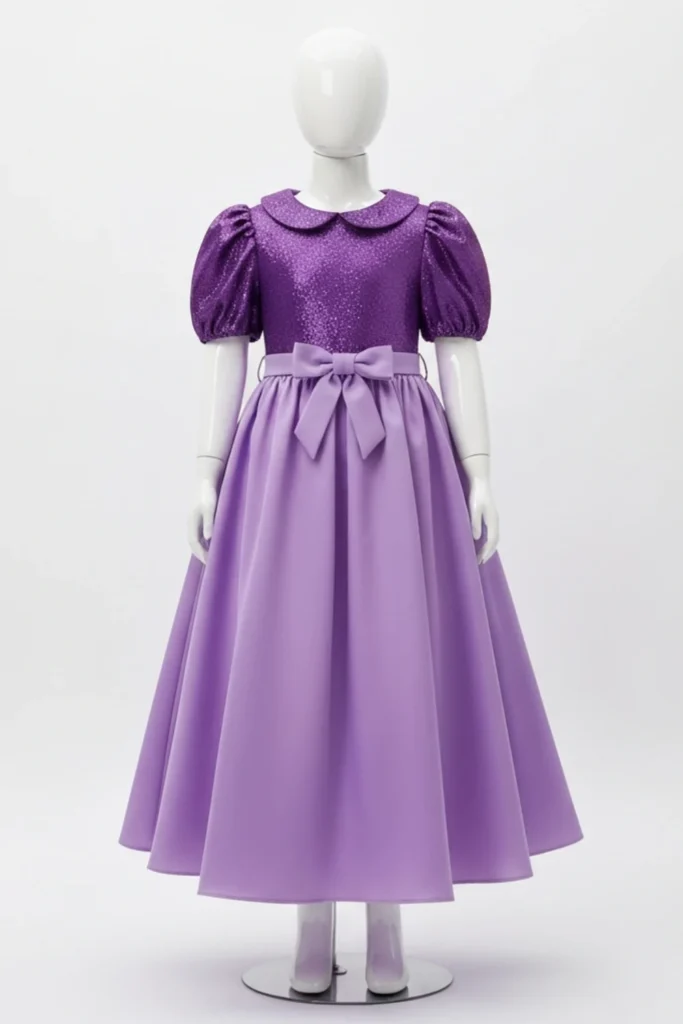
Puffy sleeves have made a strong comeback in children’s fashion, and for good reason. They add drama and volume to the upper body, creating a princess-like silhouette that children absolutely adore. Unlike structured adult fashion, puffy sleeves on children’s dresses are designed to be playful and proportional, sitting at the shoulder and tapering at the elbow or wrist.
This style is ideal for more formal indoor events where the full visual impact of the sleeve can be appreciated. It also works beautifully in photographs, adding dimension and movement even in still images.
Puffy sleeve dress checklist:
- Ensure the sleeve is gathered rather than padded for comfort
- Look for breathable fabric in the sleeve panel to prevent overheating
- Choose a sleeve length appropriate to the season and venue temperature
Fabric & Detail Comparison Guide
| Style | Key Fabric | Best Event Type | Age Range | Care Level |
|---|---|---|---|---|
| Purple Satin Ball Gown | Purple Satin Fabric | Evening receptions | 4–12 years | Moderate |
| Sparkly Top & Skirt | Sequin tulle | Flower girl ceremonies | 3–10 years | Delicate |
| Lavender Skirt Dress | Chiffon & organza | Garden weddings | 3–12 years | Easy |
| Peter Pan Collar Dress | Cotton poplin or velvet | Daytime formal events | 2–8 years | Easy |
| Puffy Sleeve Dress | Satin or taffeta | Indoor formal events | 4–12 years | Moderate |
How to Choose the Right Size and Fit
Sizing in children’s formalwear is notoriously inconsistent across brands. Always measure your child before purchasing and compare those measurements against the brand’s specific size chart rather than relying on age-based sizing alone.
Key measurements to take:
- Chest circumference at the fullest point
- Waist circumference at the natural waistline
- Height from crown to floor (for gown length)
- Shoulder width for structured bodice styles
Order at least four to six weeks before the event to allow time for alterations if needed. Many children’s formalwear pieces can be let out or taken in at the waist, and hem adjustments are usually straightforward.
Finishing Touches: Accessories That Elevate the Look
The right accessories complete the look without overwhelming it. For Formal Dresses For Kids, less is always more.
Recommended accessories by style:
- Satin ball gown: Simple pearl stud earrings and a small satin bow in the hair
- Sparkly top dress: Delicate silver headband and white gloves for older girls
- Lavender skirt dress: Fresh flower crown or ribbon headband
- Peter Pan collar dress: Classic white ankle socks and patent leather shoes
- Puffy sleeve dress: A single hair ribbon or clip to keep styling minimal
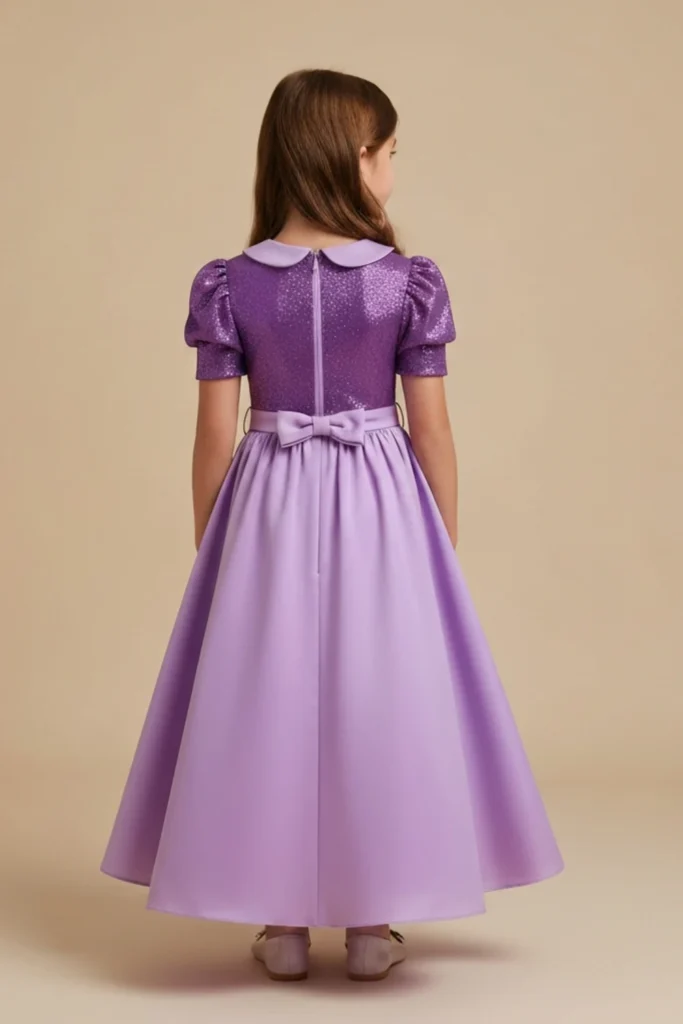
Gowns Dresses For Kids are often styled with a satin sash or bow at the back waist, which adds a finishing detail that photographs beautifully and draws the eye to the silhouette.
Frequently Asked Questions
What age is appropriate for a formal dress?
Formal dresses are available for girls as young as twelve months, though most structured styles are best suited to children aged two and above. Younger toddlers benefit from simpler silhouettes with soft fabrics that allow free movement and easy diaper changes.
How do I keep a white or light-colored formal dress clean at an event?
Bring a small stain-removal pen in your bag. Avoid feeding children in light-colored dresses without a bib or cover. Many parents also choose to put the dress on after photos are taken and before the ceremony begins to minimize exposure time.
Are Gowns Dresses For Kids suitable for outdoor events?
Yes, but fabric choice matters. Lightweight chiffon, organza, and cotton blends handle outdoor conditions far better than heavy satin or velvet. For outdoor events, also consider shorter hemlines that will not drag on grass or uneven surfaces.
What are the best Dress To Impress Outfits for a flower girl?
Flower girls typically wear a dress that complements the overall wedding palette. Popular choices include white or ivory with color accents, or a full pastel dress in shades like blush, lavender, or soft sage. The key is coordination with the bridal party without being identical to the bridesmaids.
How far in advance should I shop for a formal children’s dress?
Ideally, begin shopping six to eight weeks before the event. This timeline allows for shipping, potential exchanges for size, and any necessary alterations. Custom or made-to-order dresses may require even more lead time, sometimes up to twelve weeks.
Can formal dresses be reworn after the event?
Absolutely. Many formal children’s dresses are versatile enough for school performances, recitals, portrait sessions, and other special occasions. Choosing a classic silhouette and a neutral or timeless color increases the number of times a dress can be worn, making it a better investment overall.
How do I store a formal children’s dress after the event?
Spot clean any stains immediately after the event. Allow the dress to air dry fully before storing. Use a breathable garment bag rather than plastic, and store it hanging in a cool, dry space away from direct sunlight to prevent fabric discoloration over time.