
There is something undeniably magical about a little girl dressed in white. Whether she is walking down the aisle as a flower girl, attending a formal garden party, or posing for portraits in the golden afternoon light, the right dress transforms an ordinary moment into a memory that lasts a lifetime.
Parents and caregivers searching for the perfect Girls White Dress often feel overwhelmed by the sheer number of options on the market. Silhouettes, fabrics, sleeve lengths, collar styles — the details add up quickly.
This guide cuts through the noise. We have rounded up the five best styles for weddings and formal events, broken down by design details, fabric quality, and overall wearability. By the end, you will know exactly what to look for and why each style works so beautifully on young girls of all ages.
Table of Contents
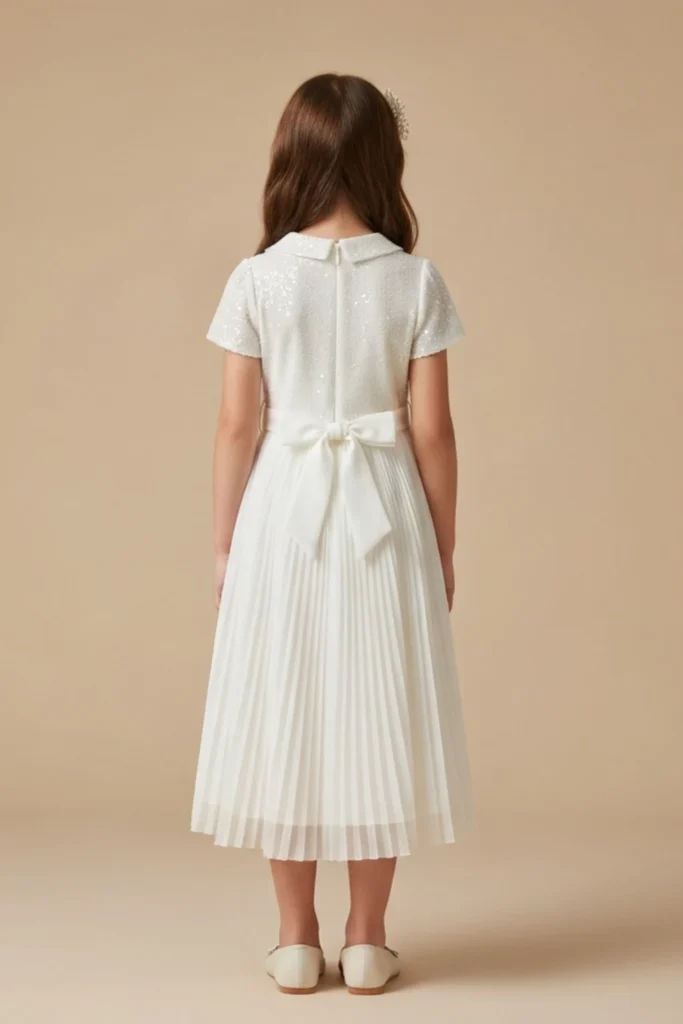
Why White Dresses for Girls Never Go Out of Style
White has long been the color of celebration, elegance, and fresh beginnings. For children, it carries an additional layer of charm — pure, soft, and completely timeless. A White Dress Cute enough to stop a room does not need bold prints or flashy embellishments. The color itself does the heavy lifting.
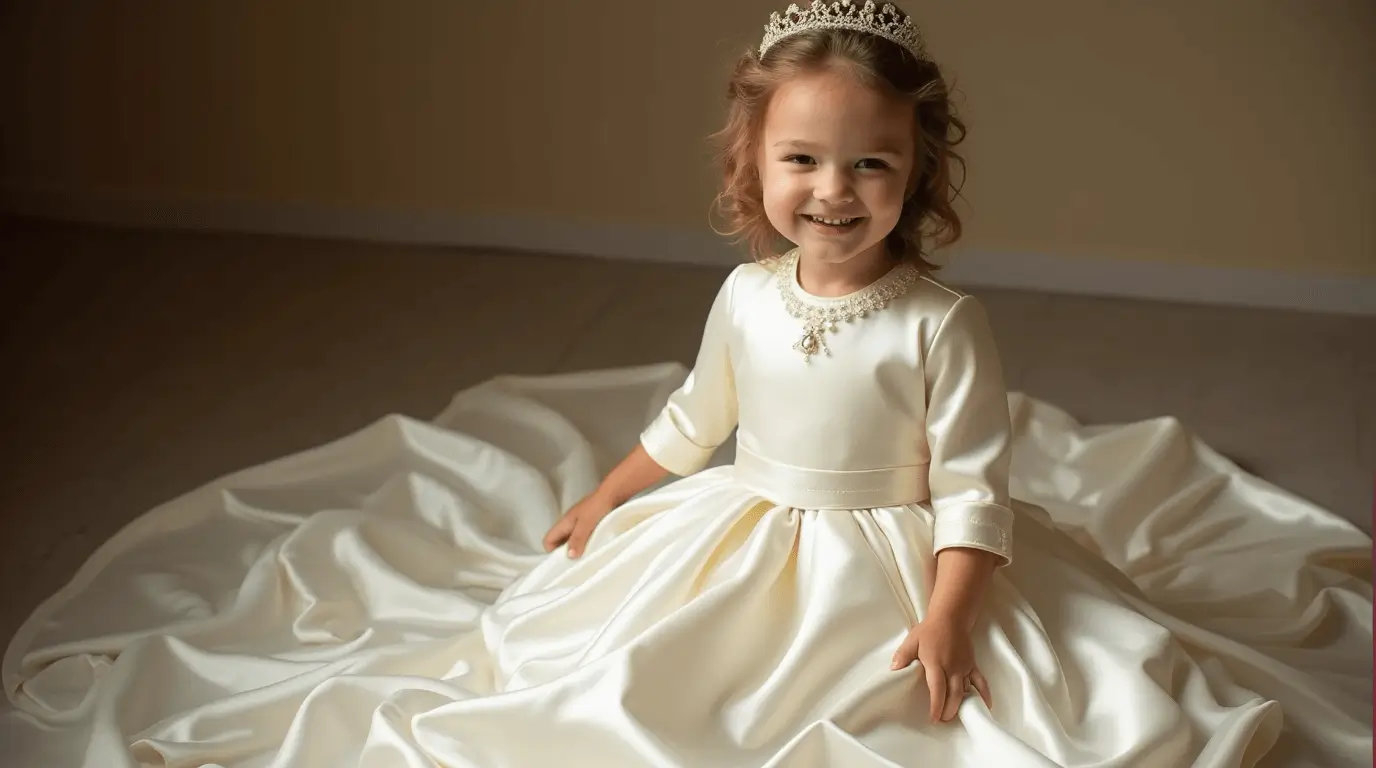
From a practical standpoint, white also photographs beautifully. Light bounces off the fabric in a way that makes images feel luminous and editorial. If you are planning a formal portrait session, exploring White Dress Photoshoot Ideas can give you a strong starting point for poses, backgrounds, and accessory pairings that complement the dress rather than compete with it.
What Makes a Great Girls’ Formal Dress?
Before diving into specific styles, it helps to understand the core qualities that separate a forgettable dress from a truly special one:
- Fabric quality — Does it hold its shape? Is it comfortable against sensitive skin?
- Construction details — Are seams clean? Is the lining soft and breathable?
- Design cohesion — Do the collar, sleeves, skirt, and bodice work together as a unified look?
- Age appropriateness — Does the silhouette suit the child’s age group and frame?
- Movement — Can she run, sit, and twirl without the dress fighting back?
Keep these five criteria in mind as we walk through each style.
Style 1: The Classic White Lace Fabric Dress
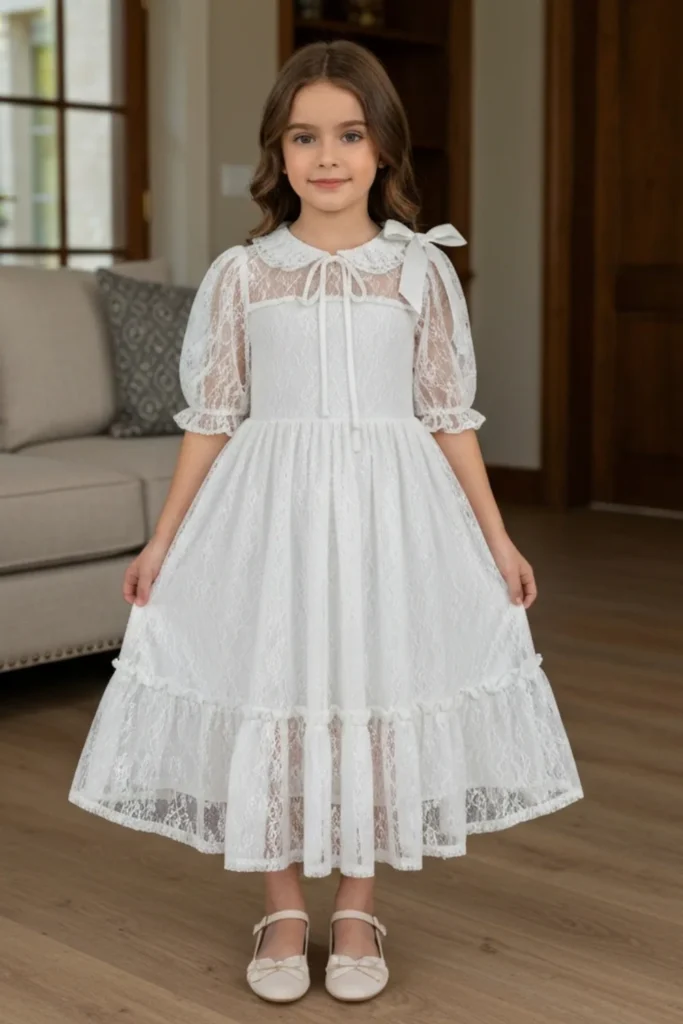
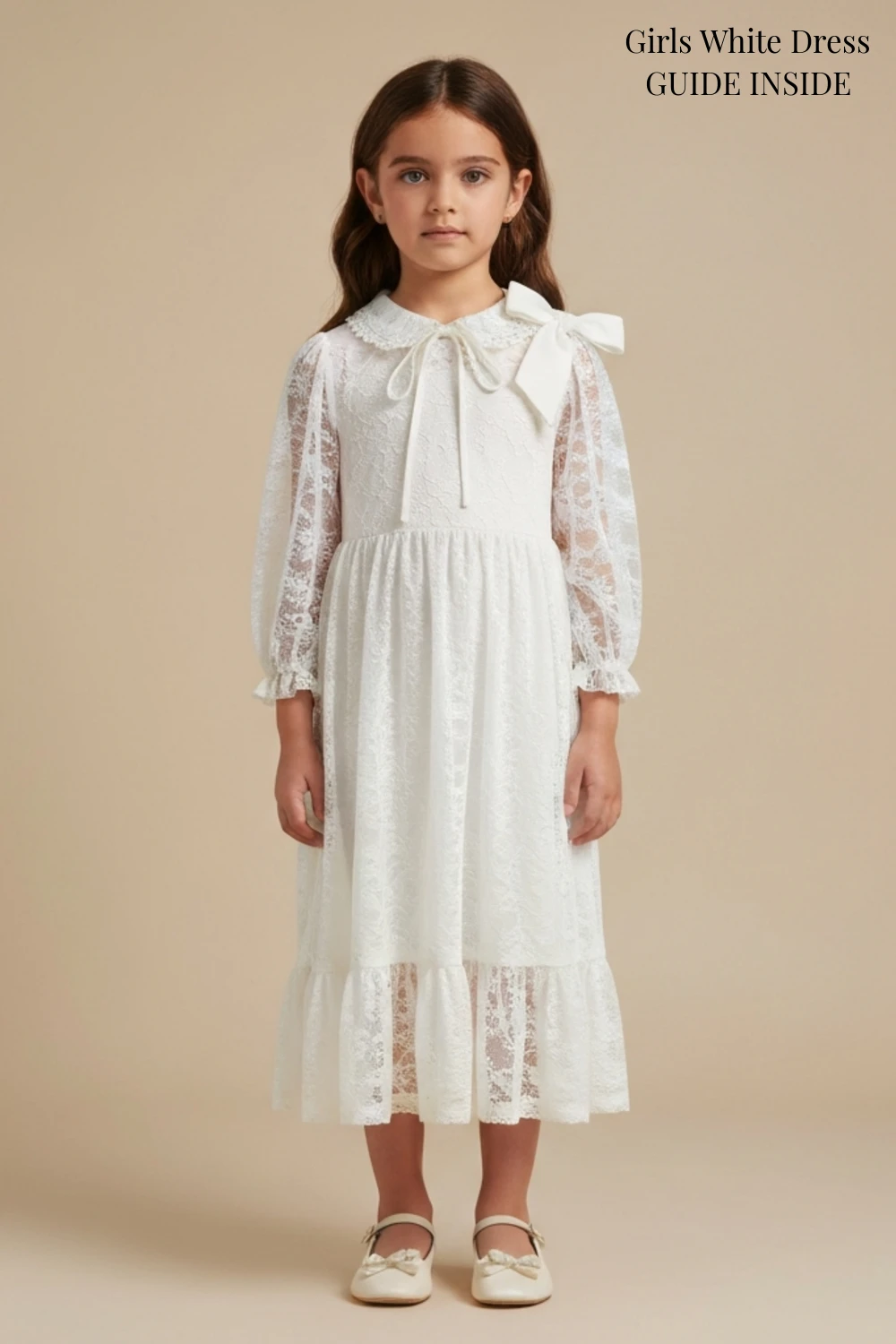
Nothing rivals the quiet sophistication of White Lace Fabric on a little girl’s dress. Lace has been a staple of formal childrenswear for generations, and for good reason — it adds visual texture, depth, and elegance without requiring a single extra embellishment.
Key Design Features
- Lace overlay on the bodice and skirt creates a layered, dimensional look
- Soft cotton or tulle underlining keeps the fabric from irritating delicate skin
- Scalloped lace edges along the hem add a finishing touch that looks intentional and refined
Best For
Flower girl roles, formal ceremonies, and portrait sessions where the dress will be the focal point of the image.
Sizing Tip
Lace dresses tend to run slightly narrow through the torso. Always measure your child’s chest and waist before ordering, and size up if she falls between measurements.
Style 2: The Aesthetic Lace Top with Flowing Skirt
An Aesthetic Lace Top paired with a flowing skirt is one of the most versatile combinations in children’s formalwear. The lace bodice provides structure and visual interest at the top, while the skirt creates movement and softness below the waist.
Why This Combination Works
- The contrast between the detailed lace top and the clean skirt creates a balanced silhouette
- The lace top can be worn with different skirts, making the look adaptable
- It photographs with a soft, editorial quality that parents love
Styling Notes
Pair this style with simple white or ivory flats and a delicate hair accessory. Avoid heavy jewelry or oversized bows that compete with the lace detailing. Let the Aesthetic Lace Top be the star.
Style 3: The Ruffles Skirt Dress
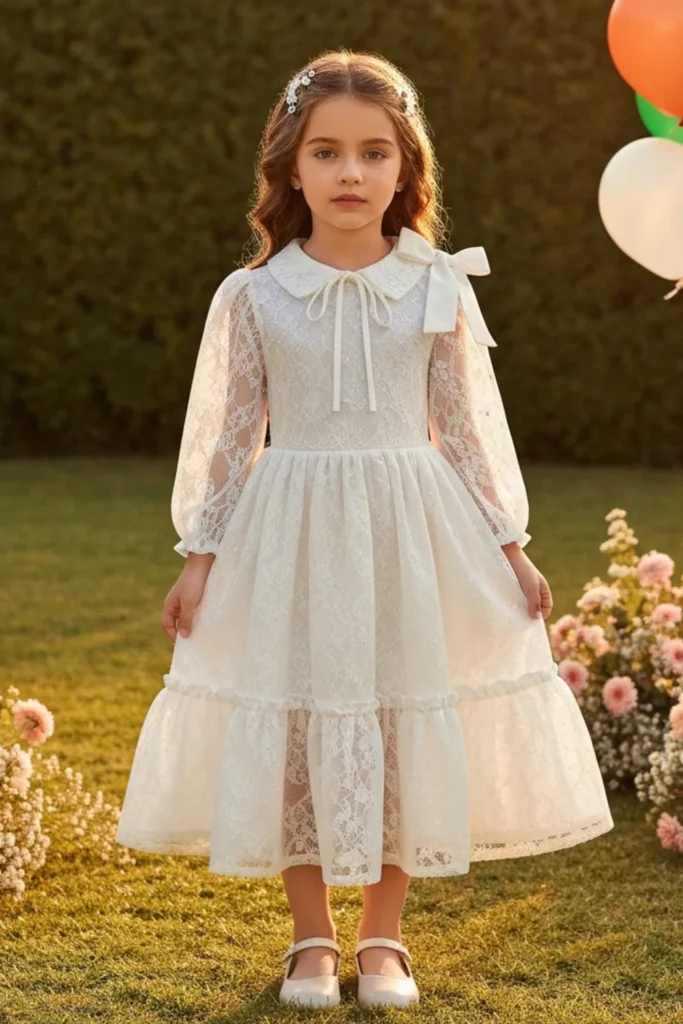
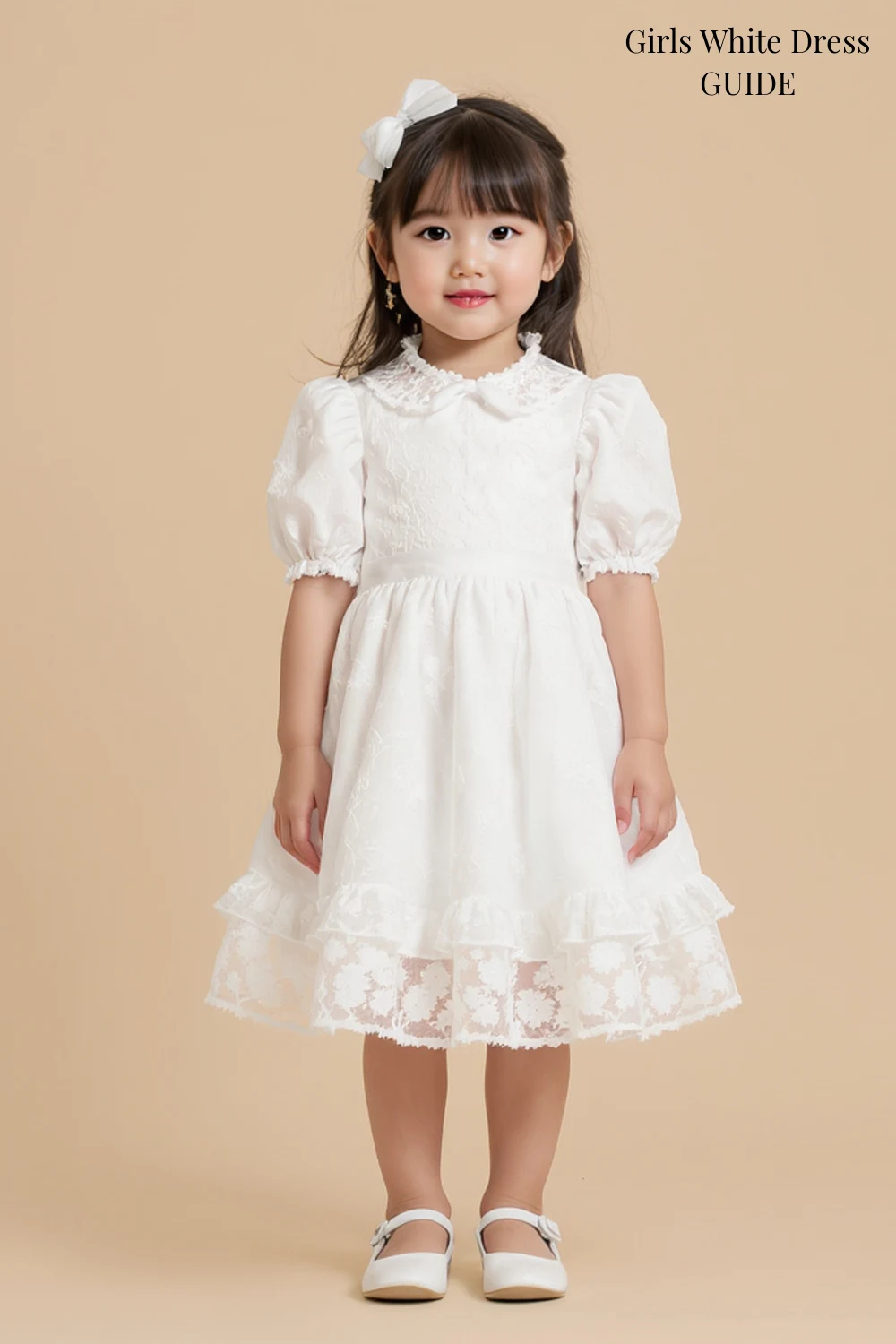
A Ruffles Skirt dress brings energy and playfulness to formal occasions without sacrificing elegance. Tiers of soft ruffles cascade from the waist down, creating a skirt that moves beautifully with every step and twirl.
Design Details That Matter
- Multi-tiered ruffles in chiffon or organza create volume without bulk
- A fitted or slightly A-line bodice keeps the silhouette proportional
- Ruffles work best in lightweight fabrics that float rather than stiffen
Age Range
The Ruffles Skirt silhouette is universally flattering across age groups, from toddlers to tweens. For younger girls (ages 2–5), shorter ruffle tiers work best for mobility. For older girls (ages 6–12), longer, more dramatic tiers create a more formal and polished effect.
| Age Group | Recommended Ruffle Length | Best Fabric |
|---|---|---|
| Toddlers (2–4) | Short, above-knee tiers | Cotton blend |
| Young Girls (5–7) | Knee-length tiers | Chiffon over cotton lining |
| Older Girls (8–12) | Below-knee or maxi tiers | Organza or tulle |
Style 4: The Tie On Collar with Puffy Sleeves Dress
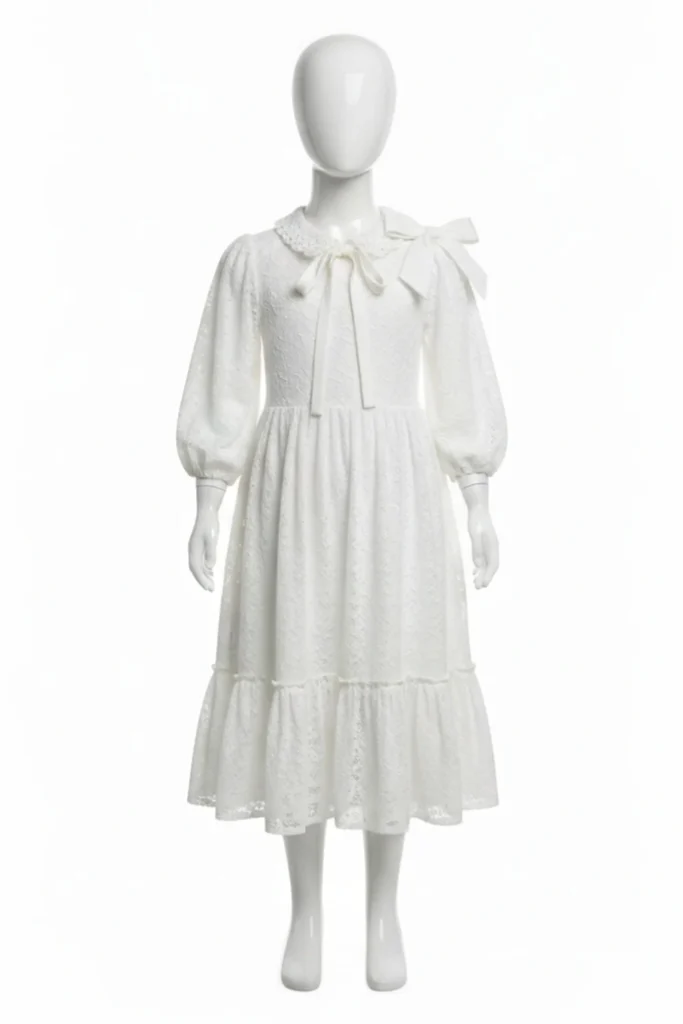
Few combinations feel as classically charming as a Tie On Collar paired with Puffy Sleeves. This style draws from vintage childrenswear traditions while feeling completely fresh and relevant today.
Breaking Down the Details
The Tie On Collar:
- Adds a structured, intentional neckline detail
- Can be removed for a simpler look, offering versatility
- Works beautifully in white-on-white or with a subtle contrast fabric
Puffy Sleeves:
- Create a romantic, storybook silhouette
- Add volume at the shoulder without restricting arm movement
- Best executed in lightweight fabrics like cotton voile or chiffon to prevent overheating
Putting It Together
The magic of this style lies in its balance. The Tie On Collar grounds the neckline with a crisp, defined detail, while the Puffy Sleeves add softness and romance above. Below the waist, a simple A-line or gathered skirt keeps the look cohesive without competing with the upper body details.
This is the style most often requested for flower girls at formal ceremonies — and it is easy to see why.
Style 5: The Bow-Detail White Dress
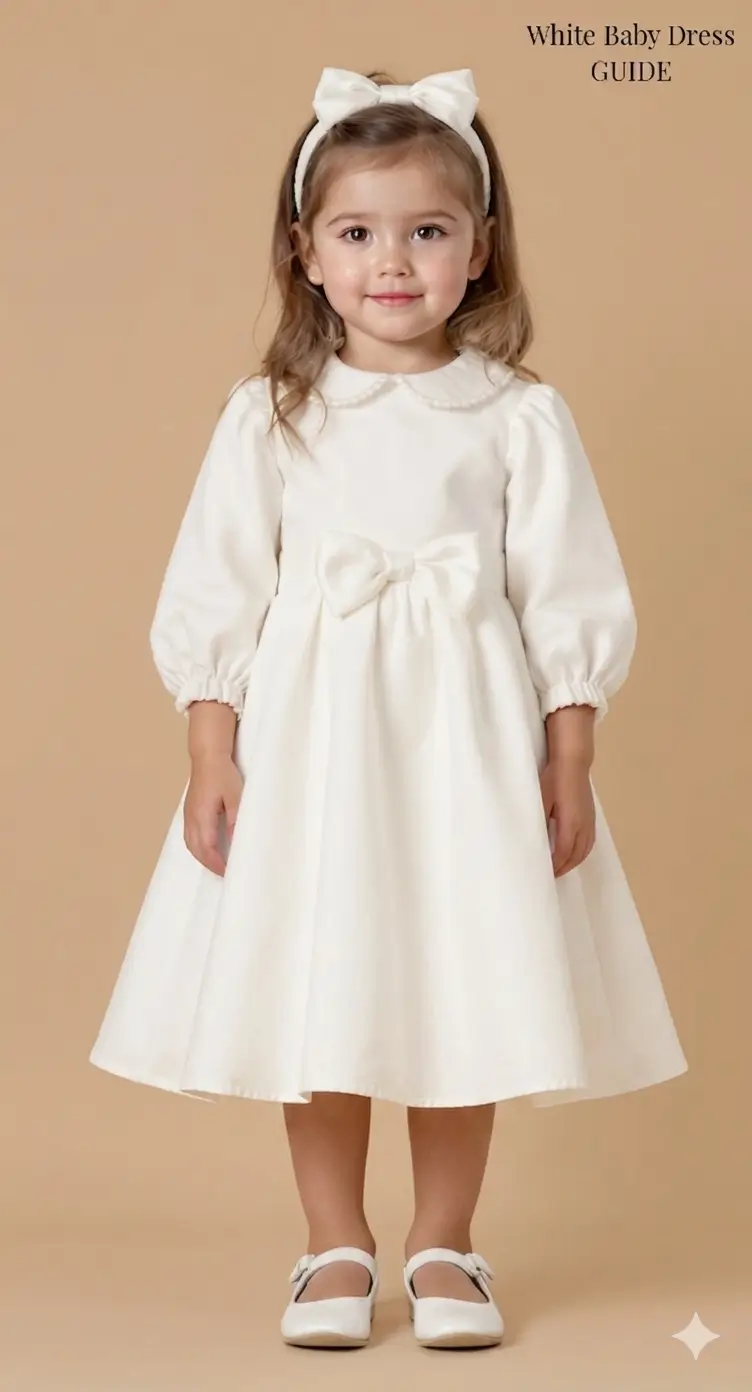
A well-placed bow elevates almost any dress from simple to special. Whether it sits at the back waist, the neckline, or on the shoulder straps, a bow adds a finishing touch that feels both polished and age-appropriate.
Bow Placement Guide
- Back waist bow — Classic and elegant; creates a beautiful silhouette from behind
- Sash bow — Tied at the waist with a wide ribbon sash; adds color contrast if desired
- Shoulder bow — Playful and sweet; works especially well on younger girls
Pairing the Bow with Other Details
A bow-detail dress works best when the rest of the design is relatively simple. If the bodice features lace or embroidery, keep the bow understated. If the dress is a clean, smooth fabric, a larger or more dramatic bow becomes the natural focal point.
Comparison Table: 5 Styles at a Glance
| Style | Key Feature | Best Age Range | Best Occasion |
|---|---|---|---|
| Classic Lace Fabric Dress | White Lace Fabric overlay | 3–12 years | Weddings, formal portraits |
| Aesthetic Lace Top Dress | Structured lace bodice | 5–12 years | Ceremonies, garden parties |
| Ruffles Skirt Dress | Tiered ruffle skirt | 2–12 years | All formal events |
| Tie On Collar & Puffy Sleeves | Collar and sleeve detail | 3–10 years | Flower girl, formal events |
| Bow-Detail Dress | Statement bow placement | 2–10 years | Portraits, ceremonies |
Frequently Asked Questions
What is the best fabric for a girls white dress worn at a wedding?
The best fabrics combine comfort with visual elegance. White Lace Fabric over a soft cotton lining is a top choice for formal occasions. Chiffon and organza also work well for skirts and sleeves. Always prioritize breathability, especially if the event will be held outdoors or during warmer months.
How do I keep a white dress looking clean during an event?
Dress your child in the white dress as close to the event start time as possible. Pack a small stain remover pen for emergencies. For flower girls, have them change into the dress after any pre-ceremony activities. A dress cover or garment bag during transit helps prevent accidental marks.
Are puffy sleeves appropriate for all ages?
Puffy Sleeves are most commonly seen on dresses for girls ages 3–10. For older girls, a slightly less exaggerated puff — sometimes called a bishop sleeve — offers a more refined version of the same silhouette. The key is proportion: the sleeve volume should feel balanced with the rest of the dress.
How should I style a girls white dress for a photoshoot?
Keep accessories minimal so the dress remains the focal point. Simple white or nude flats, a delicate headband, and soft, natural hair styling work beautifully. For background, neutral tones, greenery, and soft natural light complement white most effectively. For more inspiration, browse curated White Dress Photoshoot Ideas online before your session.
What makes a girls white dress truly “cute” versus just formal?
A White Dress Cute enough to earn compliments usually combines one or two playful details — a bow, a ruffle tier, a tie-on collar — with an otherwise clean silhouette. The balance between structured and sweet is what creates that irresistible quality that makes people stop and smile.
Can a tie-on collar be removed if my daughter dislikes it?
Yes — that is one of the greatest advantages of a Tie On Collar design. It is a separate piece that attaches at the neckline, so if your daughter finds it uncomfortable or simply prefers the simpler neckline underneath, it can be removed without altering the dress at all.
Where can I find more inspiration for girls’ white dresses?
Start with the Girls White Dress collections from specialty childrenswear boutiques, which often carry higher-quality fabrics and more refined construction than mass-market retailers. Pinterest boards focused on flower girl looks and children’s formal fashion are also excellent visual resources.