
There is something genuinely magical about watching a little girl walk across a stage to collect her very first diploma. Whether she is finishing preschool, kindergarten, or a primary school program, the moment deserves an outfit that rises to the occasion.
Choosing the perfect Graduation Dress For Kids can feel overwhelming when you are surrounded by so many options — but it does not have to be. This guide breaks down five stunning ceremony styles, explains what fabrics and details actually work for young children, and gives you practical advice so your little graduate looks and feels her absolute best on her big day.
Table of Contents
Why the Right Dress Makes a Difference on Graduation Day
A graduation ceremony is one of the first formal events a child experiences. It teaches her that some occasions call for a little extra care and intention. When a girl feels beautiful and comfortable in her outfit, she stands taller, smiles wider, and carries herself with a quiet confidence that photographs beautifully and stays in her memory for years.
Beyond the emotional impact, a well-chosen dress also makes the day easier for parents. The right fit means no fidgeting. The right fabric means no overheating under stage lights. The right style means she can move freely during group photos, walk steadily up the steps, and sit through the ceremony without complaint.
What to Look for Before You Shop
Before diving into specific styles, keep these key factors in mind:
- Comfort first: Children move constantly. A dress that restricts movement will cause frustration before the ceremony even begins.
- Age-appropriate length: Knee-length or just below the knee is ideal for most ceremony settings.
- Easy care: Ceremonies involve juice, snacks, and grass. Choose fabrics that can be spot-cleaned quickly.
- Secure fastenings: Zippers with a fabric guard and button loops are safer and easier than complicated hook-and-eye closures on small backs.
- Breathability: Stage lights and crowded auditoriums get warm. Lightweight linings make a real difference.
5 Stunning Graduation Dress Styles for Girls
Style 1: The Pink Satin Princess Gown
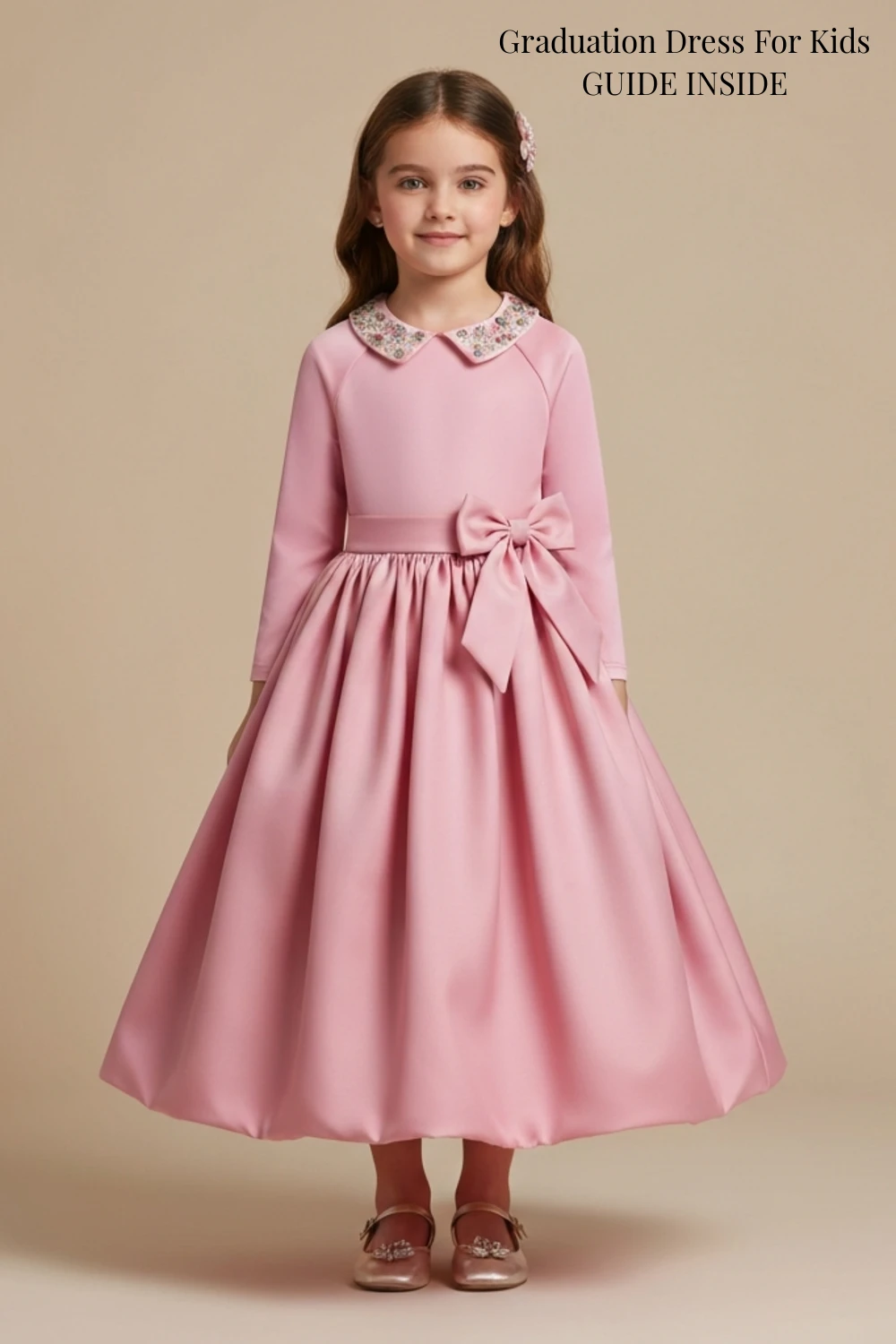
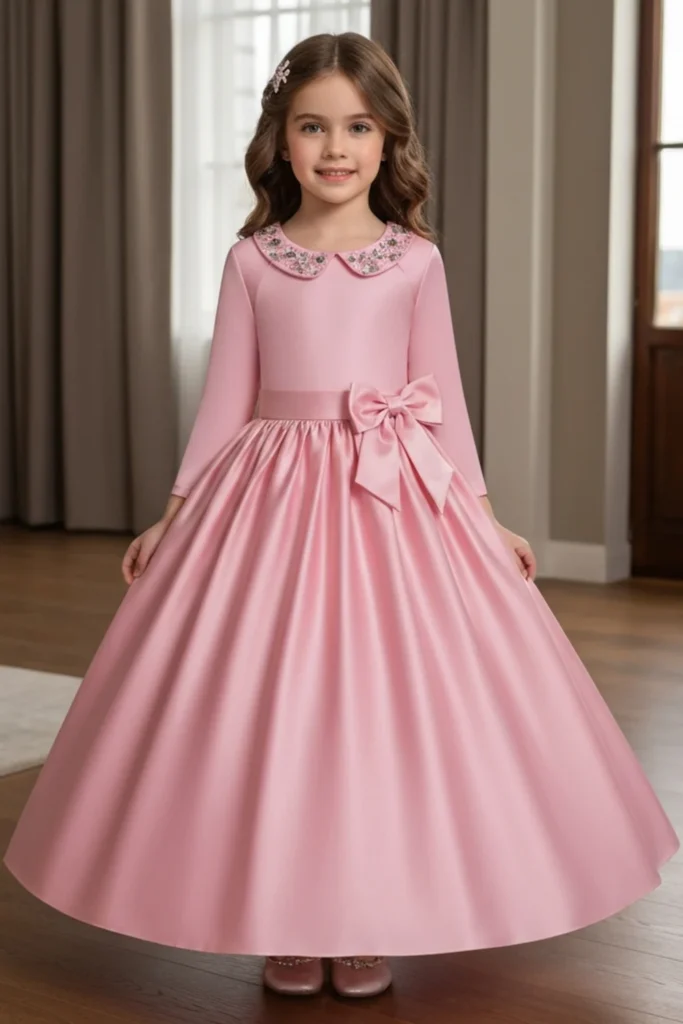
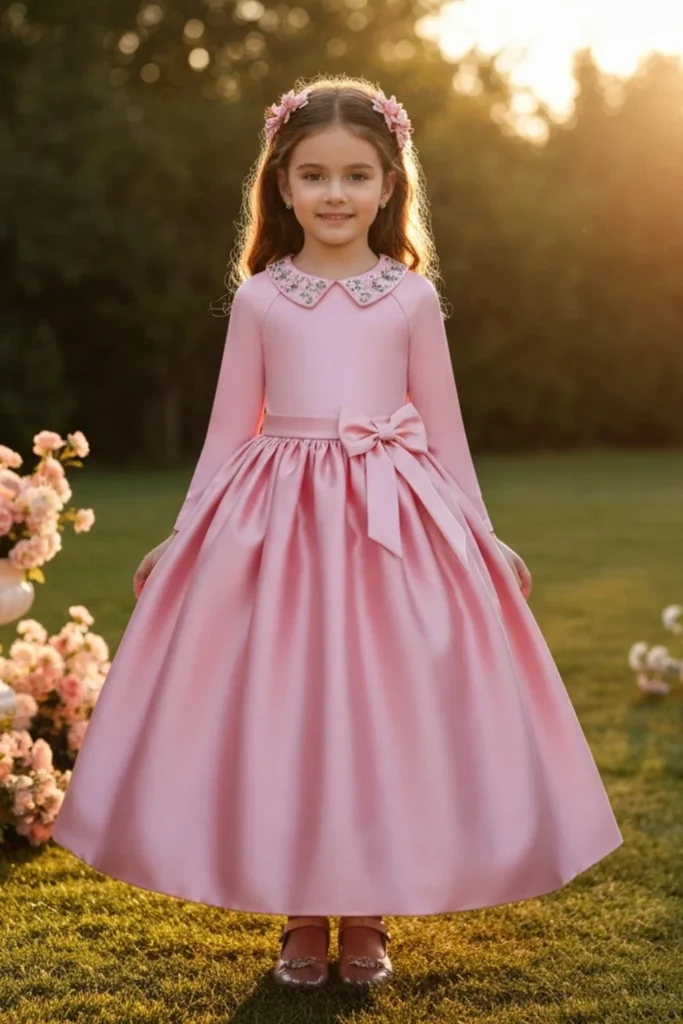
Nothing announces a celebration quite like pink satin. This fabric catches light beautifully, drapes with an elegant weight, and photographs in a way that looks polished without being stiff. For a graduation look, a pink satin dress with a fitted bodice and a big puffy skirt strikes the perfect balance between formal and fun.
The voluminous skirt creates a sense of occasion without being impractical. When cut at a proper knee length, it allows a child to climb stairs confidently and sit comfortably during long speeches. Look for a version that uses a tulle underlayer to give the skirt its shape — this keeps the silhouette full without adding excessive weight.
Why girls love it: The swirling skirt feels like something out of a storybook. Most girls will spin in it at least three times before leaving the house.
Why parents love it: Pink satin photographs beautifully in both indoor and outdoor lighting, and the structured fabric holds its shape across a long event day.
Style 2: The Jeweled Collar Statement Dress
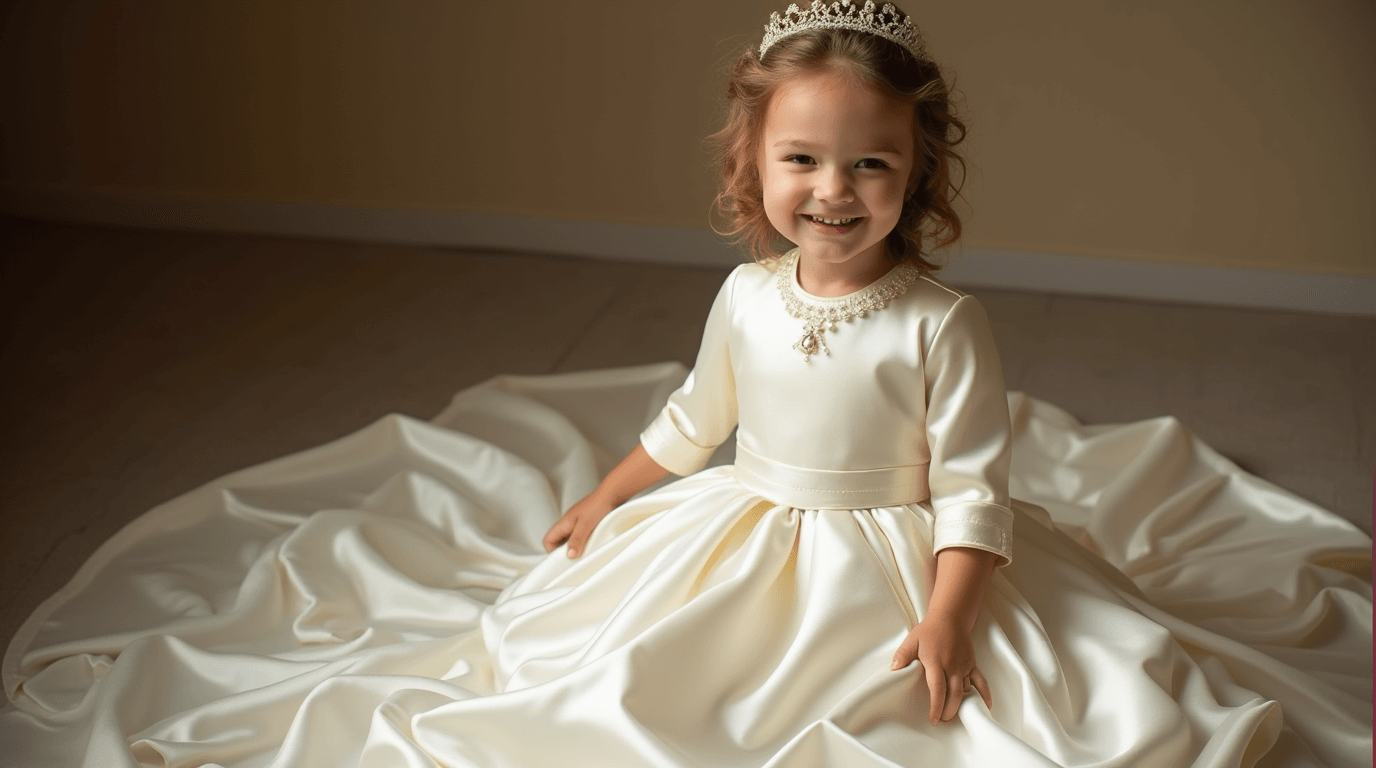
A jeweled collar transforms a simple dress into something genuinely special. This detail — featuring small crystals, pearls, or beaded embellishments around the neckline — adds a touch of sparkle that young girls absolutely adore without requiring any additional jewelry.
This style works particularly well in soft ivory, blush, or pale lavender. The collar draws the eye upward, which means the dress photographs beautifully during those close-up diploma moments. Choose a version where the jewels are securely sewn rather than glued, so nothing comes loose during an active afternoon.
Best for: Girls aged 4 to 10 who love a touch of glamour but whose parents prefer a more streamlined, elegant silhouette.
Style 3: The Raglan Sleeve Ceremony Dress
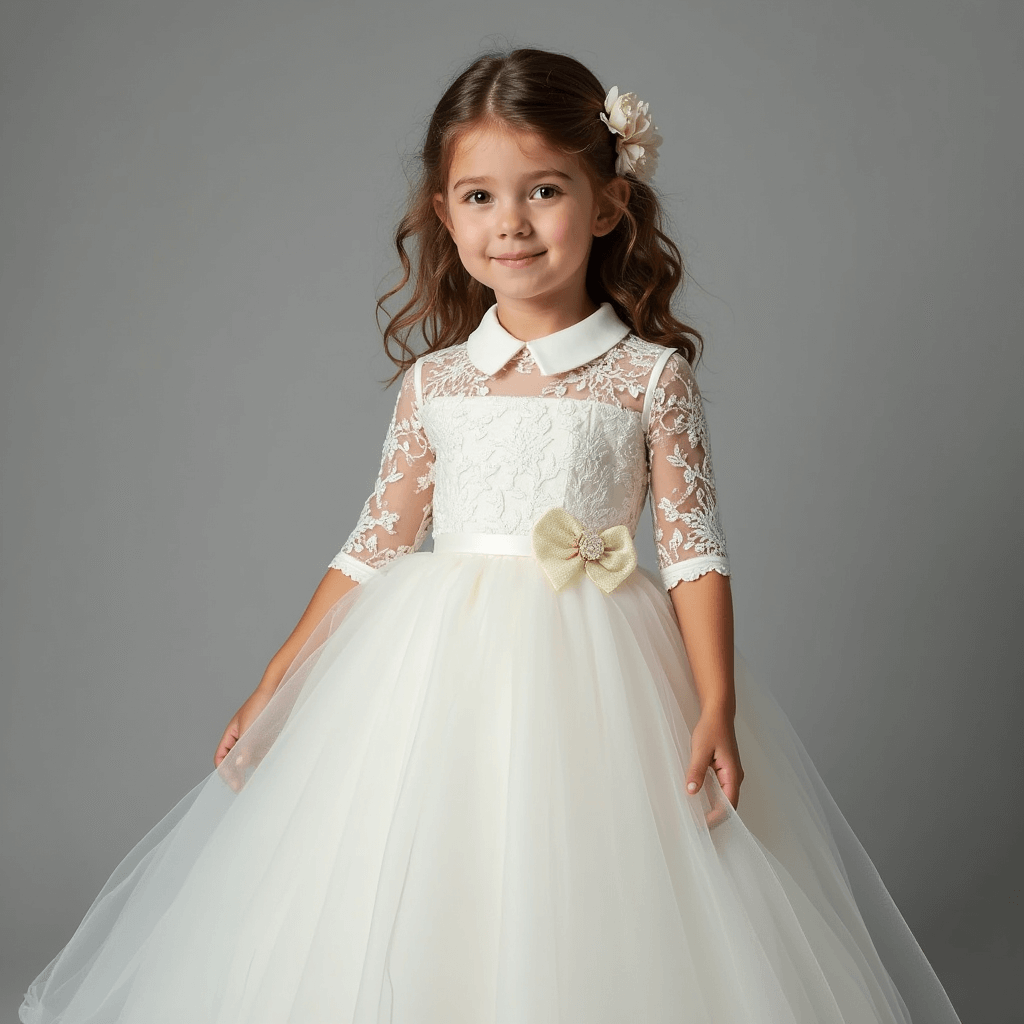
The raglan sleeve — a sleeve that extends in one piece from the collar to the underarm — is one of the most underrated details in children’s formalwear. It allows for a full range of movement, eliminates the tight armhole that makes so many formal dresses uncomfortable, and gives a dress a slightly sporty, modern edge that feels fresh at contemporary ceremonies.
A raglan sleeve dress in a crisp white or soft champagne fabric looks polished and ceremony-ready while giving your child the freedom to wave to family in the audience, hug her classmates, and carry her diploma without restriction.
Key benefit: Because the sleeve is cut as part of the bodice rather than set in separately, there is no seam pulling across the shoulder — a common complaint with more traditional formal styles.
Style 4: The Cute Pink Top and Coordinated Skirt Set
Not every child wants to wear a single-piece dress, and a two-piece set featuring a cute pink top paired with a coordinating skirt is a genuinely stylish alternative. This approach also offers practical advantages: the top can be tucked in for the ceremony and untucked for the reception, and the pieces can be worn separately on future occasions.
Look for a top with delicate embroidery, a subtle bow at the neckline, or a smocked bodice panel. Pair it with a full skirt in a complementary shade of pink or a soft floral print. The result is an outfit that feels coordinated and intentional without looking overly formal.
| Top Style | Best Skirt Pairing | Recommended Age Range |
|---|---|---|
| Smocked pink bodice top | Tiered cotton skirt | 2–6 years |
| Embroidered collar top | A-line satin skirt | 5–9 years |
| Bow-detail fitted top | Full tulle skirt | 4–8 years |
| Ruffle-hem pink top | Pleated midi skirt | 6–10 years |
Style 5: The Classic Bow-Back Dress
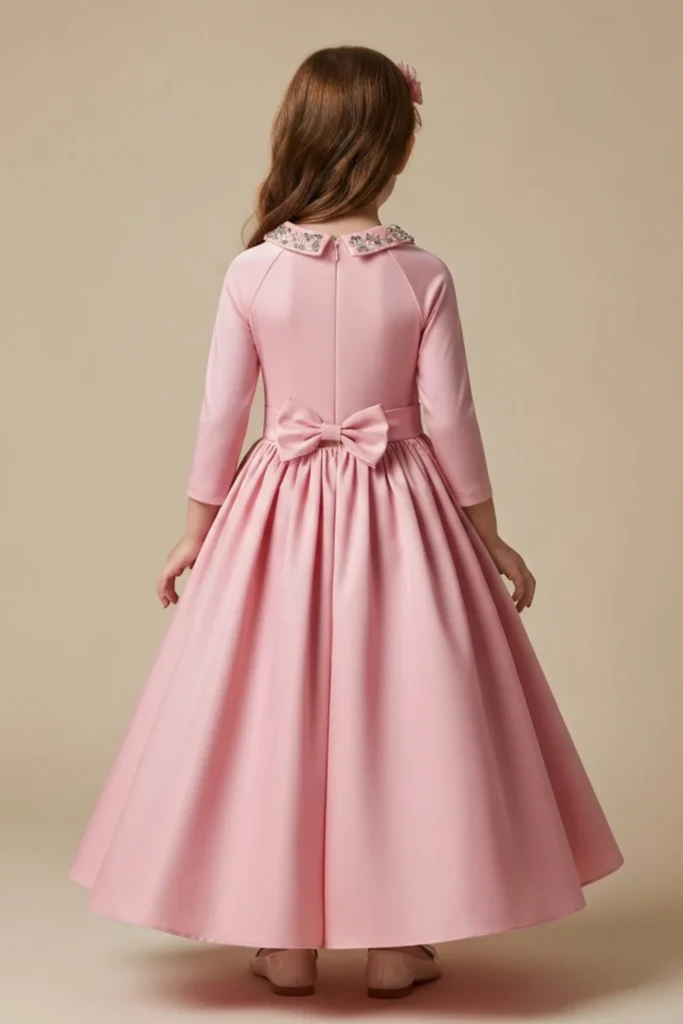
A large, beautifully tied bow at the back of a dress is one of those timeless details that never loses its charm. This style works in almost any color — white, blush, navy, or soft yellow — and the bow adds a finishing touch that looks intentional and sweet in every photograph.
For graduation specifically, choose a bow-back dress with a modest neckline and a clean A-line silhouette. This keeps the focus on the bow as a design feature rather than competing with other embellishments. A self-fabric bow (made from the same material as the dress) looks more polished than a contrasting ribbon, though both are lovely choices.
Fabric and Sizing Guide for Ceremony Dresses
Choosing the right fabric is just as important as choosing the right style. Here is a quick reference guide:
| Fabric Type | Best Feature | Care Level | Ideal Season |
|---|---|---|---|
| Pink Satin | Luminous, photograph-ready sheen | Moderate – dry clean or gentle cycle | Spring and autumn |
| Cotton Lawn | Breathable and soft against skin | Easy – machine washable | Warm weather ceremonies |
| Chiffon overlay | Lightweight, floaty movement | Moderate – hand wash | All seasons |
| Organza | Structured volume for full skirts | Delicate – dry clean recommended | Cooler months |
| Jersey knit | Maximum comfort and stretch | Easy – machine washable | Year-round |
For a Toddler Graduation Outfit, prioritize cotton-lined bodices and elasticated waistbands. Toddlers need the most freedom of movement, and comfort will always outrank formality at this age.
Frequently Asked Questions
What is the best color for a graduation dress for kids?
White and blush pink are the most popular choices because they photograph beautifully and feel ceremonial without being overly formal. However, soft lavender, pale yellow, and powder blue are equally lovely. Choose a color your child genuinely loves — she will wear it with far more confidence.
How do I choose the right size for a formal dress?
Always measure your child’s chest, waist, and height before ordering. Formal dresses often run smaller than everyday clothing. When in doubt, size up and have a seamstress take in the waist — it is far easier to make a dress smaller than to let it out.
Are Fancy Dresses For Kids appropriate for a school graduation?
Absolutely. A ceremony is a formal occasion, and Fancy Dresses For Kids are entirely appropriate. The key is choosing a style that suits the venue and your child’s personality. An outdoor ceremony calls for something lighter and more relaxed; an indoor auditorium setting can support something more structured and embellished.
How far in advance should I buy a graduation dress?
Aim to purchase at least four to six weeks before the ceremony. This gives you time to handle alterations, source matching accessories, and do a full dress rehearsal at home so your child is comfortable wearing it on the day.
What shoes work best with a ceremony dress?
Mary Jane flats, simple ballet flats with a strap, or low-heeled dress shoes all work beautifully. Prioritize a secure fit and a non-slip sole — children will be walking on polished floors and potentially on grass.
Can I find a good graduation dress on a budget?
Yes. Many beautiful ceremony dresses for children are available at accessible price points. Focus on fabric quality and construction rather than brand names. A well-cut dress in a quality fabric will always look more expensive than it is.
How do I keep a satin dress looking fresh throughout the day?
Pack a small steamer or wrinkle-release spray in your bag. Satin can crease when children sit for long periods. A quick once-over before the ceremony begins will restore the fabric’s smooth appearance in seconds.
Watching your little girl step into her moment deserves a dress that is every bit as special as she is. Whether you choose the sweeping drama of a big puffy skirt in pink satin or the modern ease of a raglan sleeve style, the most important thing is that she feels like herself — only a little more dazzling. Start shopping early, involve her in the decision, and let her joy lead the way.