Why Your Daughter Will Adore This Special Wardrobe Addition
Every girl deserves to feel special and confident in what she wears. When it comes to creating magical memories and building self-esteem, few garments hold the same transformative power as a beautiful pink dress. This timeless piece isn’t just another item of clothing—it’s an expression of personality, a spark of joy, and often becomes a cherished part of childhood memories.
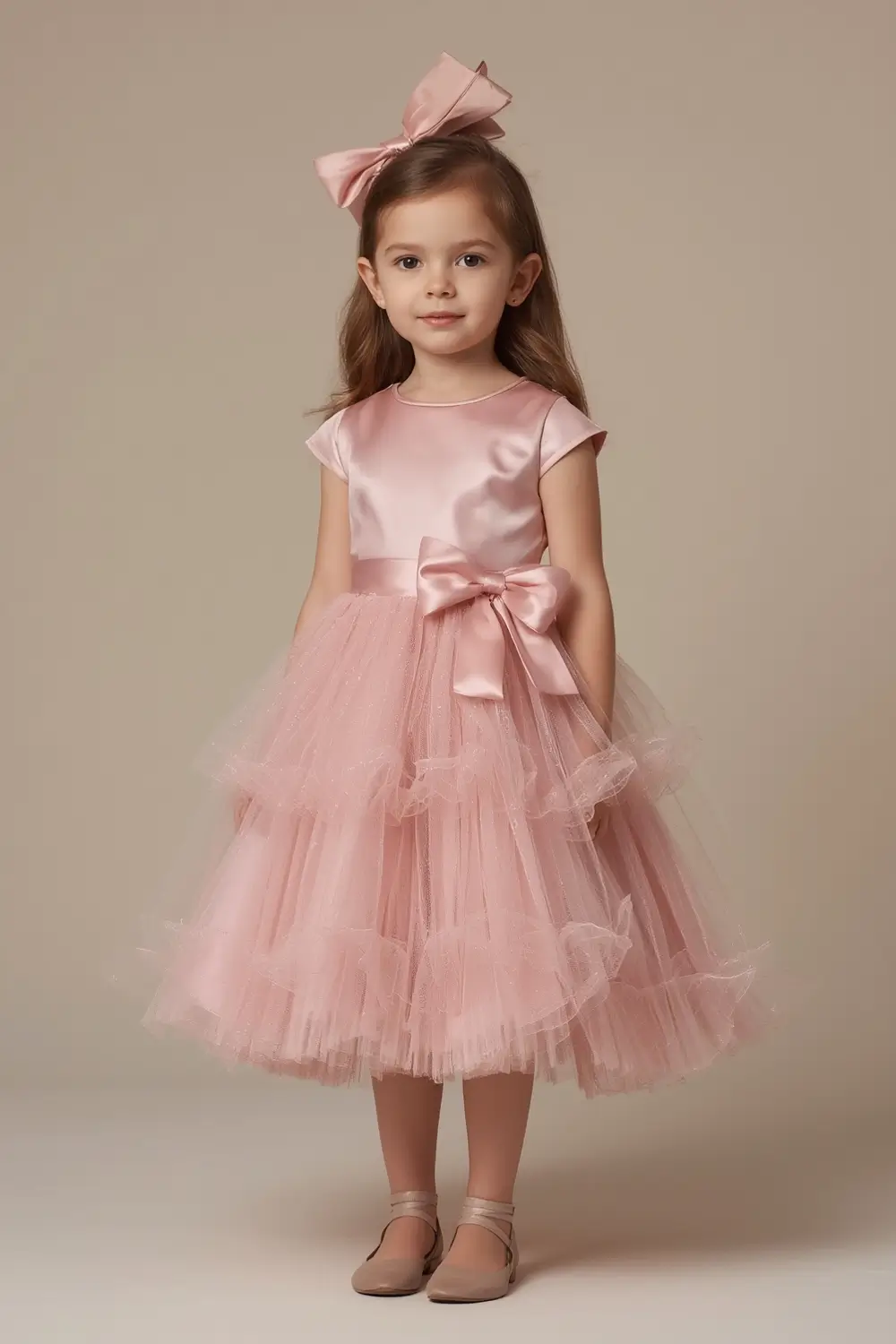
The perfect Pink Dress For Kids combines comfort with style, allowing young ones to feel both beautiful and free to play and express themselves. Let’s explore why this special garment deserves a place in every little girl’s wardrobe and how to select the perfect one for your child.
- Why Your Daughter Will Adore This Special Wardrobe Addition
- The Psychology Behind the Pink Phenomenon
- Key Features That Make the Perfect Pink Dress
- Versatility: From Playground to Special Events
- Size Selection and Growth Considerations
- Seasonal Adaptations
- Care and Maintenance Tips
- The Connection to Self-Expression and Confidence
- Making Memories That Last
- Conclusion: More Than Just a Dress
The Psychology Behind the Pink Phenomenon
Research from the Journal of Experimental Child Psychology suggests that by age 2, many children begin developing color preferences. Pink often emerges as a favorite among young girls not merely due to societal conditioning but because warmer tones can create feelings of comfort and security.
Child development experts note that allowing children to express themselves through clothing choices can boost confidence and help develop a sense of identity. When a young girl chooses and wears a favorite dress, she’s actually practicing important decision-making skills and personal expression.
Key Features That Make the Perfect Pink Dress
The Fabric Matters
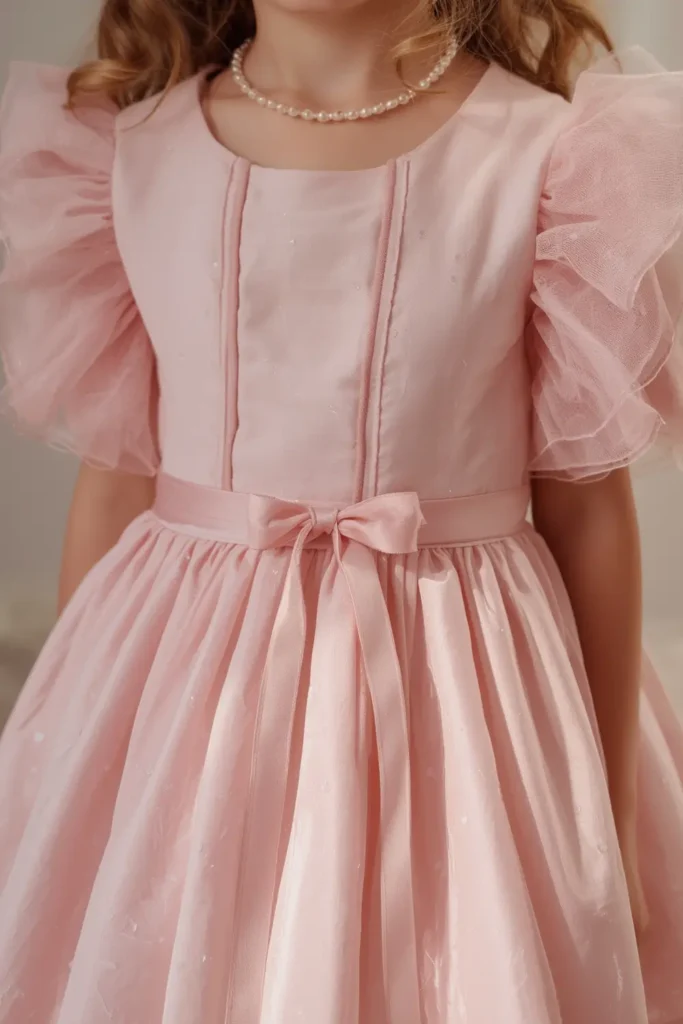
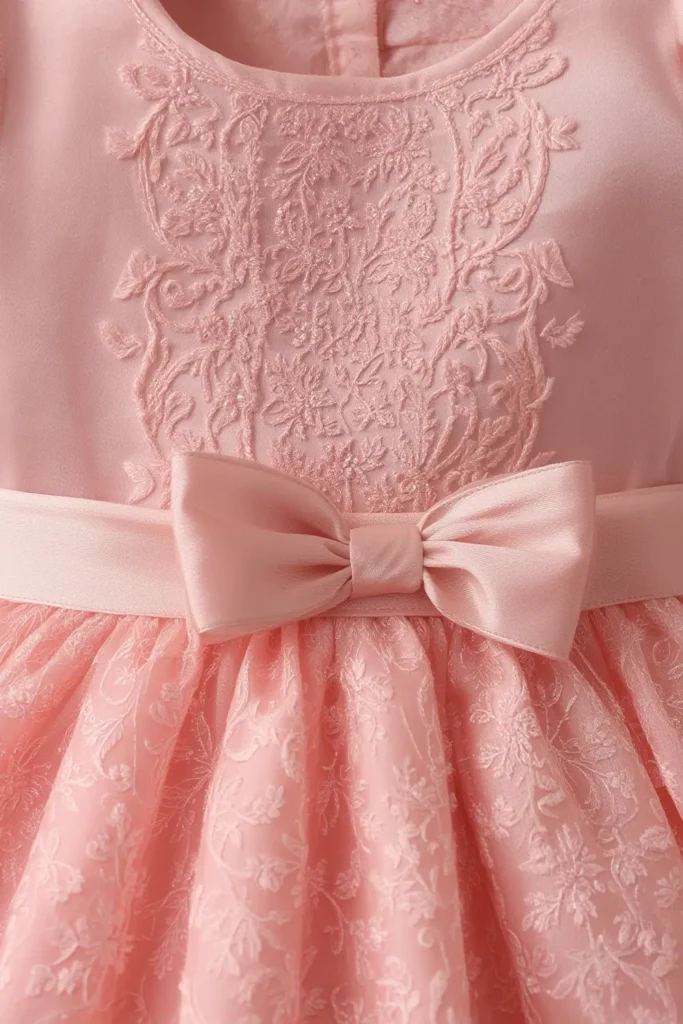
The material of a dress significantly impacts both comfort and durability. For everyday wear, breathable cotton blends offer both softness and practicality. For special occasions, a satin bodice provides an elegant sheen that photographs beautifully and feels luxurious against the skin.
Modern fabric technologies have made it possible to create dresses that maintain their shape and color even after multiple washes. Look for blends that contain a small percentage of elastane for better movement and comfort during active play.
Design Elements That Delight
The most beloved dresses typically incorporate several thoughtfully designed elements:
A Balanced Silhouette: A well-structured top paired with a flowing skirt creates the perfect balance between comfort and style.
Thoughtful Details: Delicate embellishments like a strategically placed bow can elevate a simple dress into something truly special.
Practical Considerations: Features like hidden pockets or adjustable elements accommodate growth and add functionality.
Age-Appropriate Styling: The perfect dress should allow for easy movement and play while still looking polished.
Versatility: From Playground to Special Events
The true value of a well-chosen dress lies in its versatility. The ideal piece can transition seamlessly from casual daytime activities to more formal occasions with simple accessory changes.
For everyday wear, pair the dress with comfortable sandals or sneakers and a simple cardigan. When special occasions arise, the same dress can be transformed with ballet flats or Mary Janes, a matching headband, and perhaps a delicate bracelet.
Many parents report that having a go-to dress reduces morning routine stress and eliminates last-minute outfit crises before important events. This versatility also represents better value for money, as a well-made dress can serve multiple purposes throughout the seasons.
Size Selection and Growth Considerations
One challenge parents face is balancing current fit with future growth. Quality dresses often include design features that accommodate growth:
- Adjustable shoulder straps
- Elastic panels at the waist
- Generous hem allowances that can be let down
- Wrap styles that adjust to changing body proportions
When selecting size, consider purchasing slightly larger than current measurements if the dress has adjustable features. This strategy extends the wearable lifespan of the garment without compromising current fit and comfort.
Seasonal Adaptations
A thoughtfully designed pink dress can work year-round with appropriate layering:
Spring/Summer: Worn alone with sandals and a sun hat
Fall: Paired with a light cardigan and ankle boots
Winter: Layered over a thin turtleneck with thick tights and a warm jacket
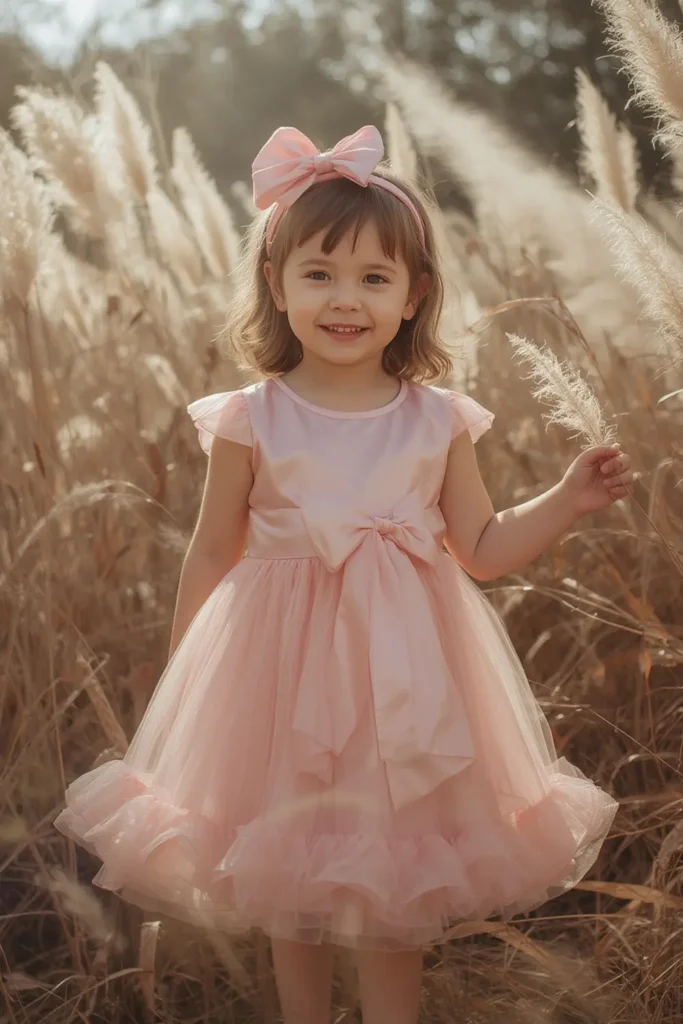
Dresses with cap sleeves provide just enough shoulder coverage for moderate weather while remaining cool enough for warmer days. This adaptability makes such designs particularly valuable as core wardrobe pieces.
Care and Maintenance Tips
To ensure your investment retains its beauty through countless wears and washes:
Follow Care Labels: Manufacturer instructions are tailored to the specific fabrics and embellishments.
Address Stains Promptly: Most stains can be removed if treated quickly with appropriate methods.
Proper Storage: Hang dresses with padded hangers to maintain shape, or fold with tissue paper to prevent creasing.
Rotation System: Establish a wear-and-rest rotation to extend fabric life and reduce wear patterns.
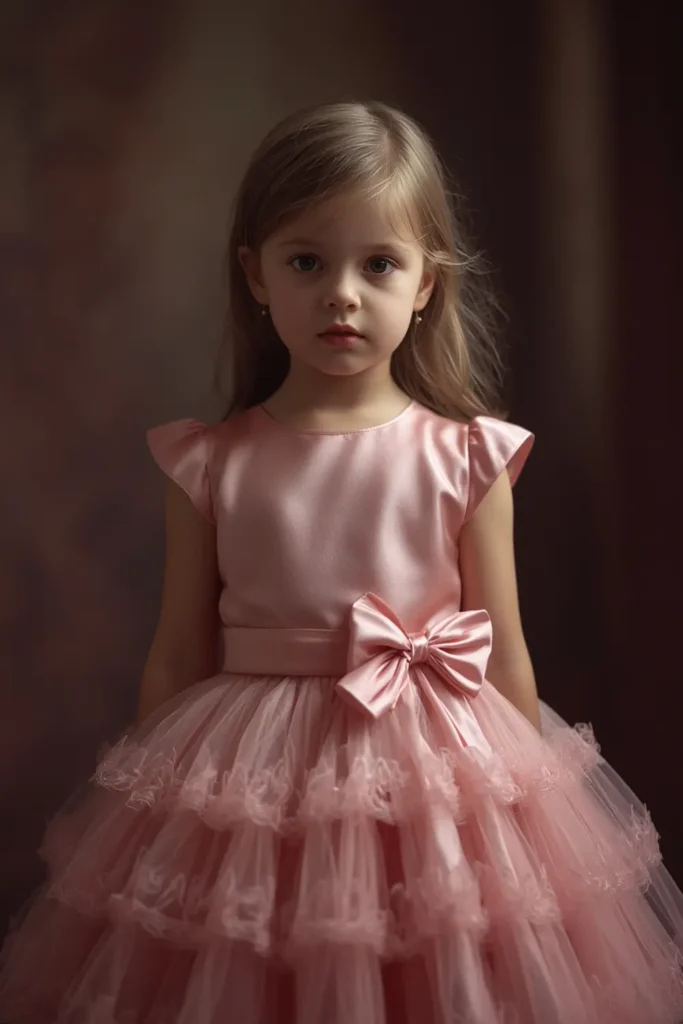
A dress with a fluffy skirt requires special attention to maintain its volume and shape. Gentle hand-fluffing after washing or a brief tumble on low heat with a clean tennis ball can restore the desired fullness.
The Connection to Self-Expression and Confidence
Beyond aesthetics, clothing plays a significant role in how children perceive themselves. When a young girl puts on a dress that makes her feel special, several positive psychological effects occur:
- Enhanced body confidence
- Increased willingness to participate in social activities
- Development of personal style preferences
- Practice in making choices and expressing preferences
According to child psychologists, these experiences contribute to healthy identity formation and social development. The confidence that comes from feeling good in one’s appearance often translates to other areas of life, including academic performance and social interactions.
Making Memories That Last
Many adults can recall with perfect clarity a special outfit from their childhood—the way it made them feel, the occasions where they wore it, and the confidence it gave them. These aren’t merely clothing memories but emotional touchstones that represent significant developmental moments.
Creating photo opportunities when your child wears their special dress helps preserve these memories. Consider establishing traditions around wearing the dress for milestone moments or annual activities to create continuing associations with positive experiences.
Conclusion: More Than Just a Dress
The perfect pink dress represents far more than a fashion choice—it’s an opportunity for self-expression, confidence building, and memory creation. When selected with care and attention to quality, design, and versatility, it becomes not just another item in the closet but a cherished part of childhood.
Whether worn for ordinary days or special occasions, the right dress can make a young girl feel both comfortable and extraordinary—a powerful combination that contributes to positive self-image and joyful experiences.
By investing in a thoughtfully designed piece that balances beauty with practicality, parents provide not just a garment but an opportunity for their child to experience the simple yet profound joy that comes from wearing something that makes them feel wonderful inside and out.