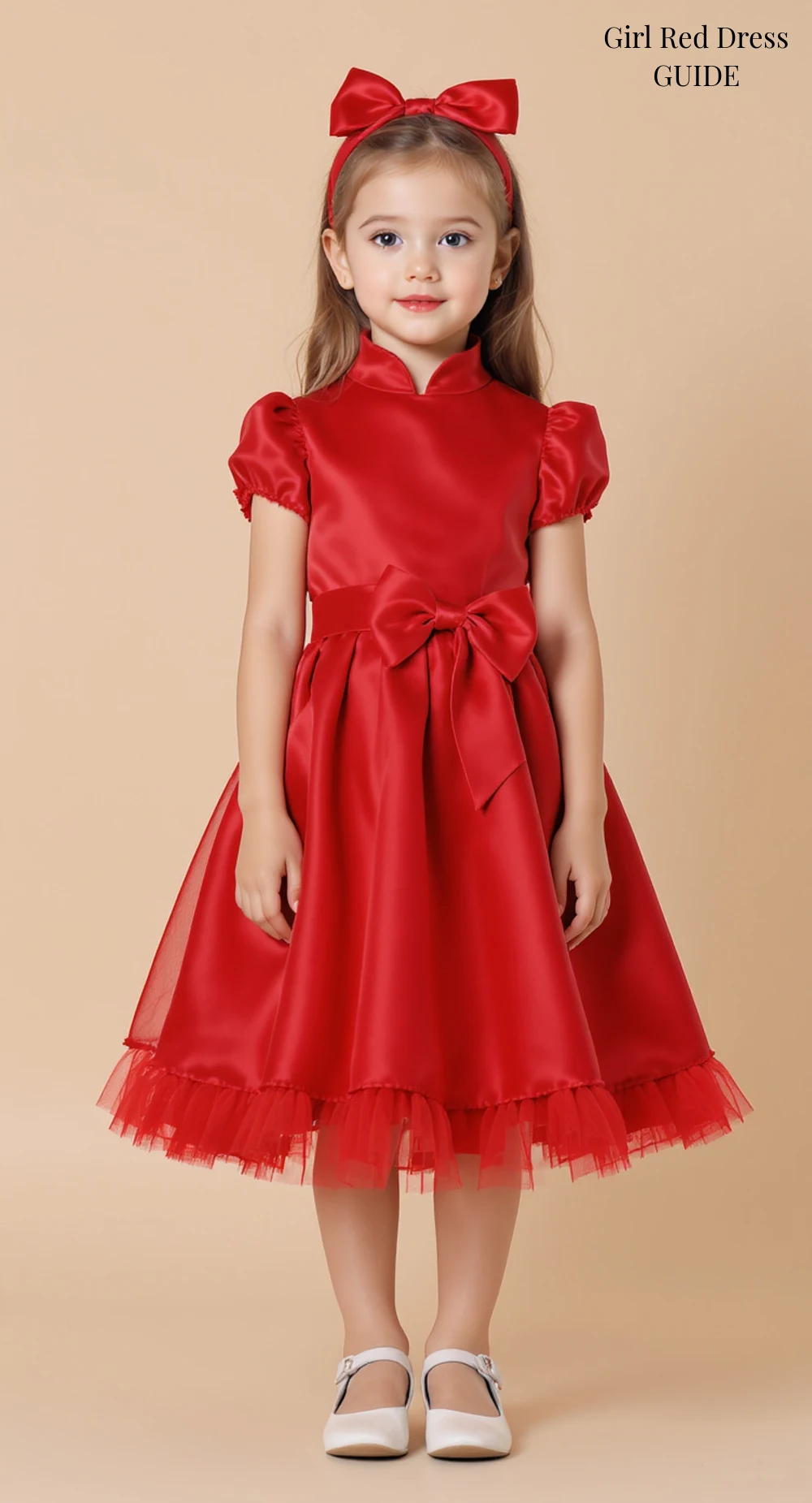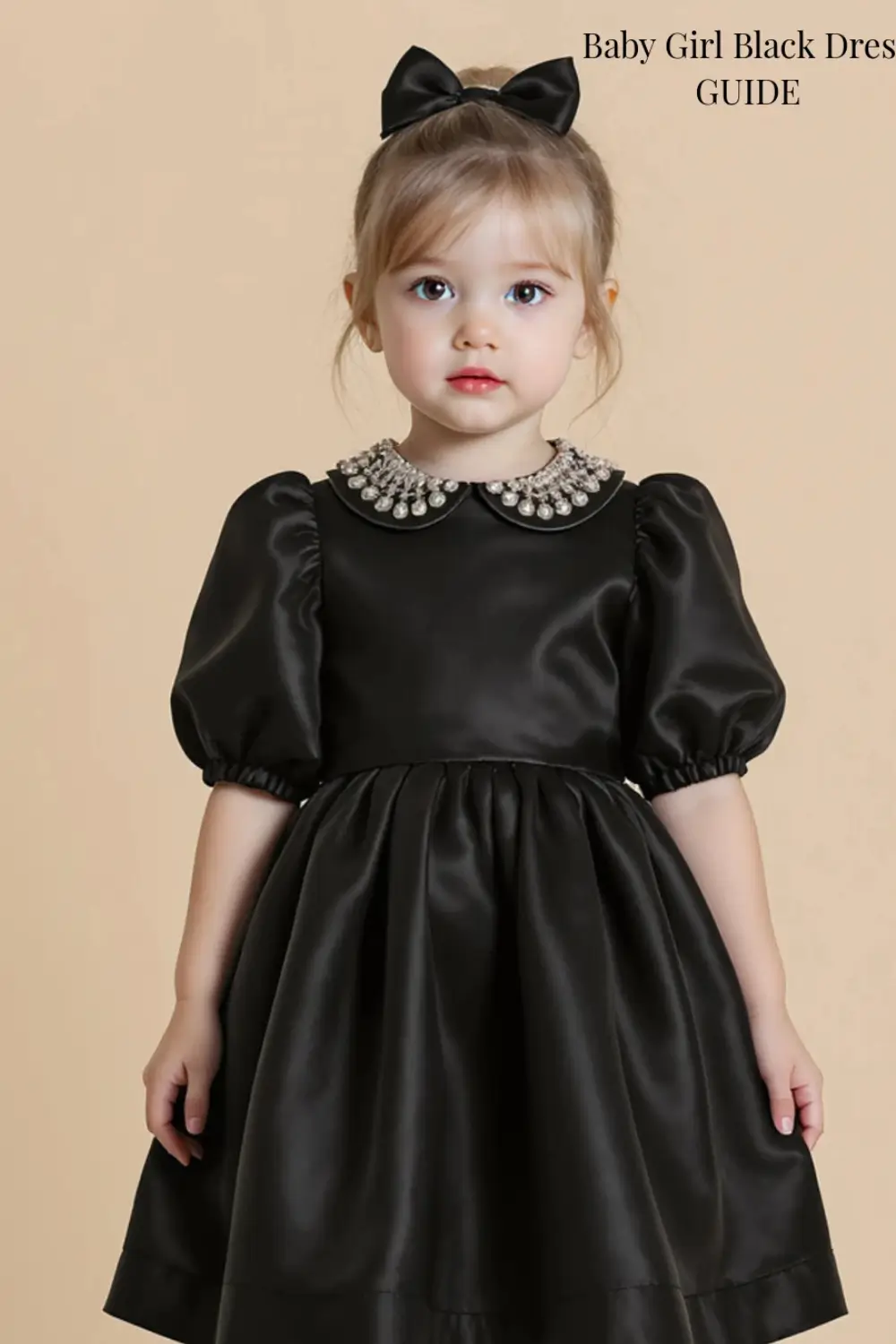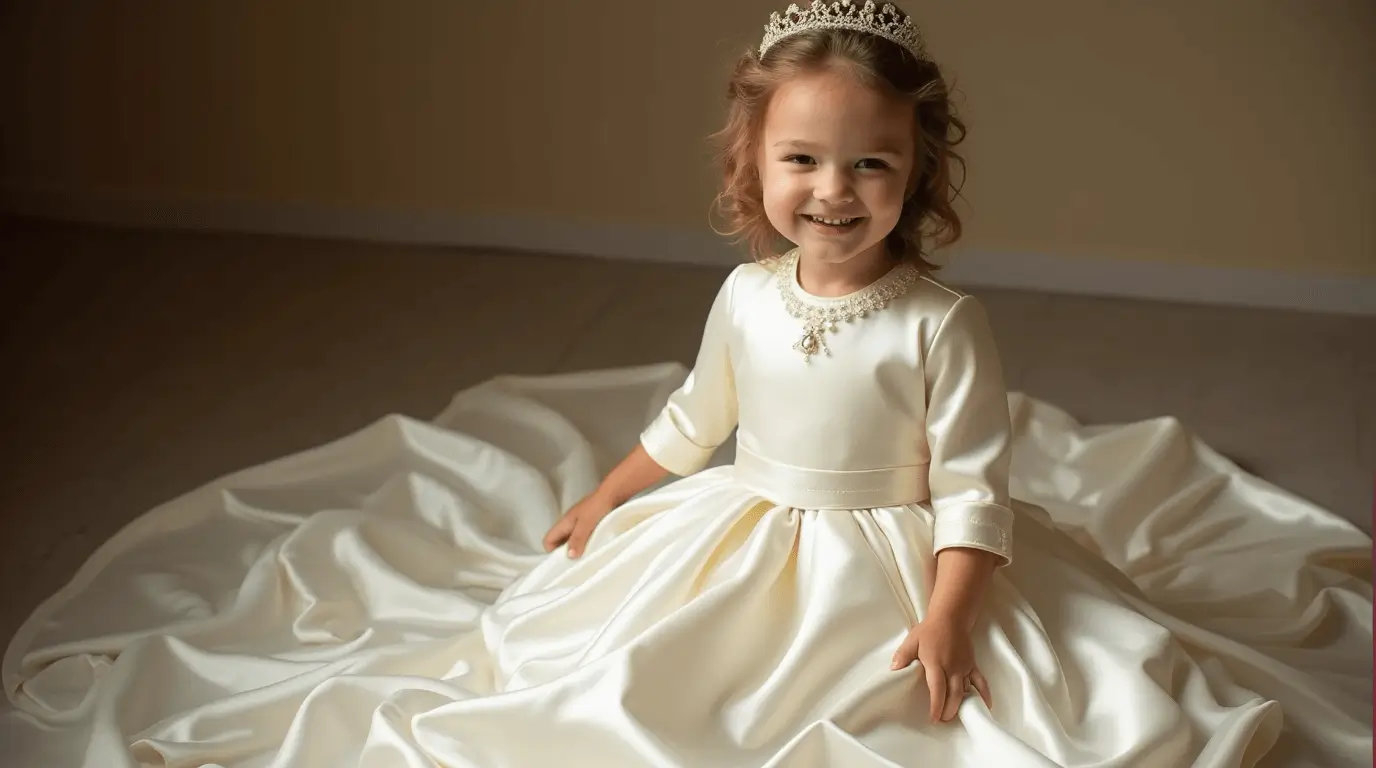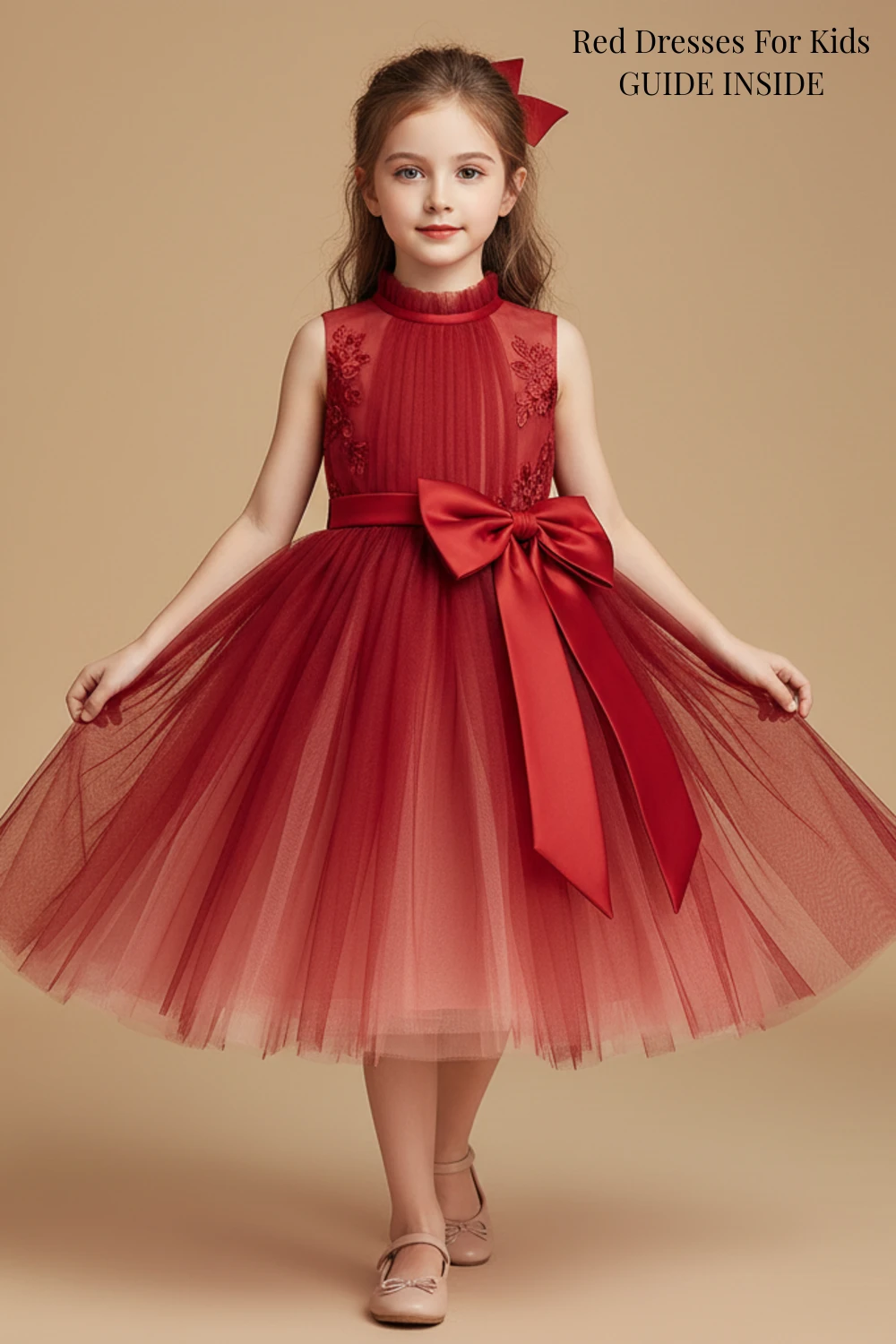

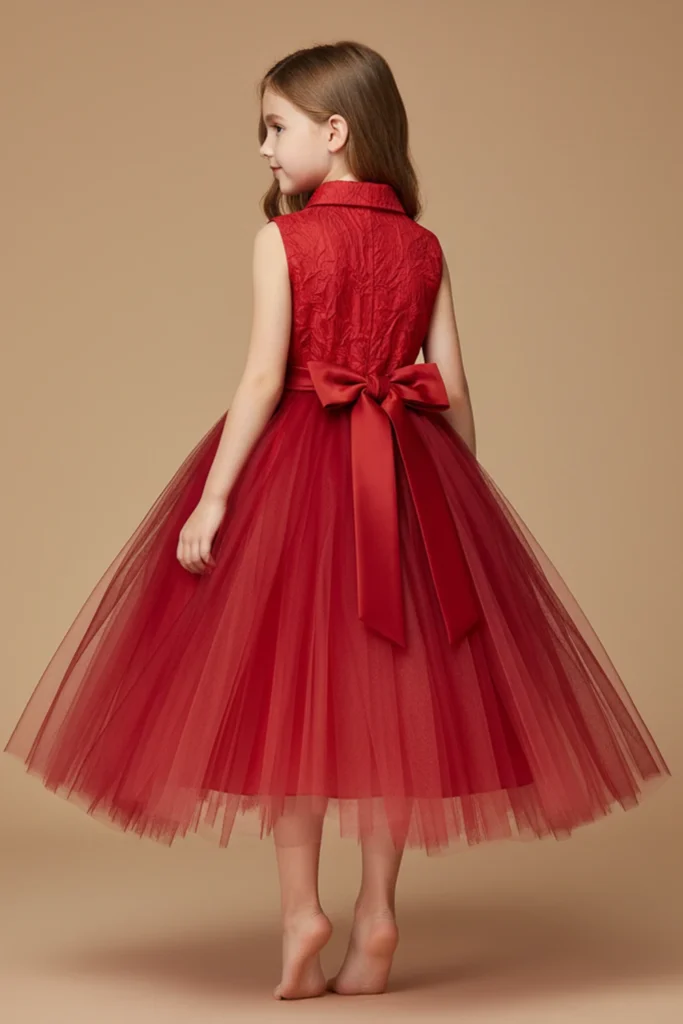
Introduction to Red Dresses for Special Occasions
When it comes to dressing children for special events, Red Dresses For Kids make a stunning choice that combines elegance with playfulness. The vibrant color not only photographs beautifully but also brings a touch of joy and celebration to any formal gathering.
According to recent surveys, red remains among the top three color choices for children’s formal wear, with 37% of parents selecting this bold hue for weddings and significant events.
Finding the perfect red dress involves considering comfort, practicality, and style—all while ensuring the little one feels special and can move freely throughout the event. This guide explores the five most popular and practical red dress styles for children, focusing on designs that prioritize both appearance and comfort.
Table of Contents
Factors to Consider When Choosing Red Dresses for Children
Age-Appropriate Design Elements
When selecting a red dress for a child, age appropriateness should be your primary consideration. For toddlers (ages 2-4), opt for simpler designs with minimal embellishments that could pose choking hazards. School-aged children (5-8) might enjoy moderate details like ribbon sashes or small appliqués. Older children (9-12) often appreciate more sophisticated elements such as layered skirts or modest embroidery.
According to child development specialists, clothing comfort significantly impacts a child’s behavior at events. A 2023 study found that children in comfortable formal wear were 68% more likely to participate actively in event activities compared to those in restrictive outfits.
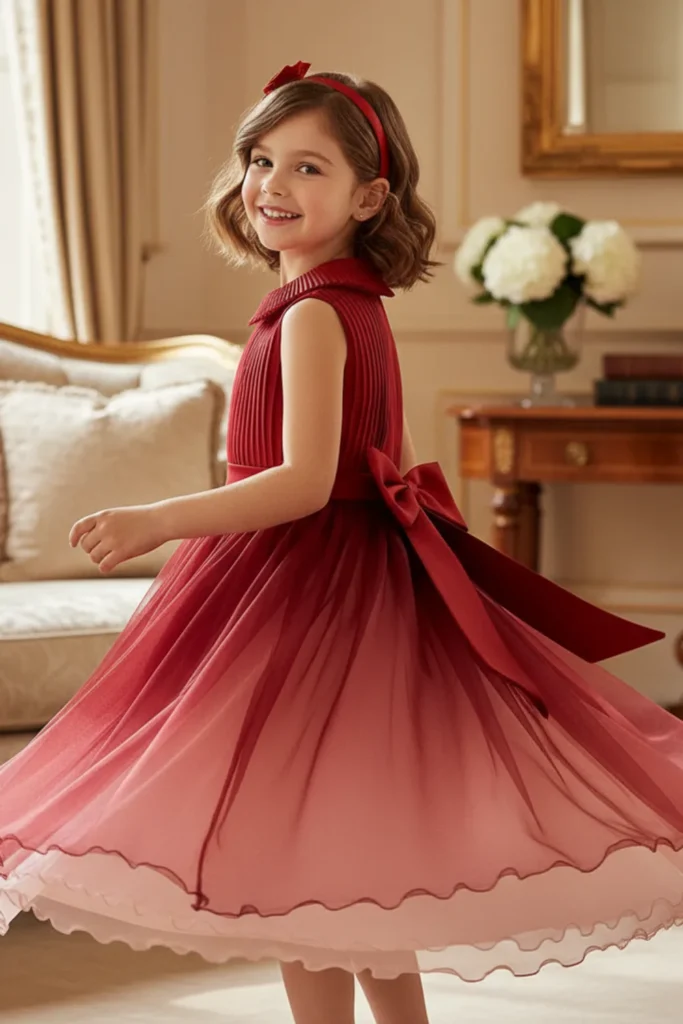
Fabric Selection for Comfort and Durability
The fabric of a child’s dress plays a crucial role in both comfort and longevity. Here are the top fabrics recommended by children’s fashion experts:
- Cotton blends: Breathable and soft against sensitive skin
- Tulle with cotton lining: Provides the princess look while maintaining comfort
- Satin with stretch components: Offers elegance with freedom of movement
- Polyester blends: Durable and wrinkle-resistant for active children
- Jersey knits: Extremely comfortable for longer events
A survey of 500 parents revealed that 72% prioritize fabric comfort over elaborate design when purchasing formal wear for children under 10 years old.
| Fabric Type | Best For | Care Difficulty | Movement Freedom |
|---|---|---|---|
| Cotton Blend | All-day events, sensitive skin | Low | High |
| Tulle/Cotton | Photographs, shorter events | Medium | Medium |
| Stretch Satin | Formal appearances, comfort | Medium | Medium-High |
| Polyester Blend | Active children, durability | Low | High |
| Jersey Knit | Maximum comfort, casual events | Low | Very High |
5 Best Red Dress Styles for Children’s Events
1. A-Line with Peter Pan Collar
The A-line dress with a Peter Pan collar represents a timeless choice that works beautifully for most formal occasions. This style offers a balanced silhouette that:
- Allows freedom of movement with its slightly flared skirt
- Features a classic, rounded collar that frames the face beautifully
- Usually includes practical elements like button closures
- Works well for ages 3-10 with appropriate scaling
Research indicates that this style ranks highest in versatility, with 83% of purchasers reporting they were able to reuse the dress for multiple events.
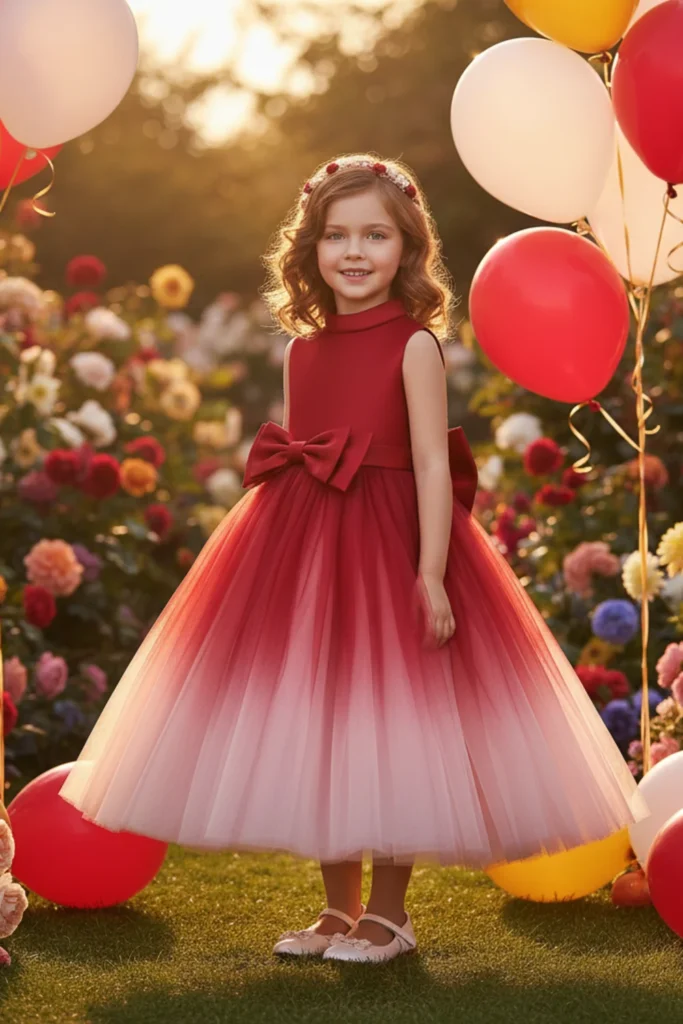
2. Empire Waist with Ribbon Detail
The empire waist design features a raised waistline just below the chest, creating a flowing silhouette that’s both comfortable and elegant. This style:
- Accommodates growth spurts better than fitted styles
- Offers comfortable room for movement and play
- Creates a formal appearance while maintaining child-appropriate design
- Works exceptionally well for ages 4-12
Sales data from children’s boutiques indicates that empire waist designs account for approximately 42% of formal dress purchases for children attending weddings.
3. Fit and Flare with Bow Back
The fit and flare style features a fitted bodice that gently flares from the waist, creating a playful yet sophisticated silhouette. Key attributes include:
- A balanced proportion that suits most body types
- A statement bow at the back that adds visual interest
- A skirt that allows running and playing
- Appropriate sizing options for ages 5-12
According to event photographers, this style photographs particularly well, capturing movement beautifully during candid shots.
4. Tea-Length with Tulle Overlay
Tea-length dresses hit mid-calf, offering a formal look without the tripping hazard of floor-length gowns. When designed with a tulle overlay, they provide:
- The perfect balance of formal appearance and practicality
- A “princess” feel without overwhelming small frames
- Reduced risk of tripping or dragging
- Versatility across age ranges 4-12
Parent reviews consistently rate tea-length designs as the most practical for active children at formal events, with 77% reporting high satisfaction rates.
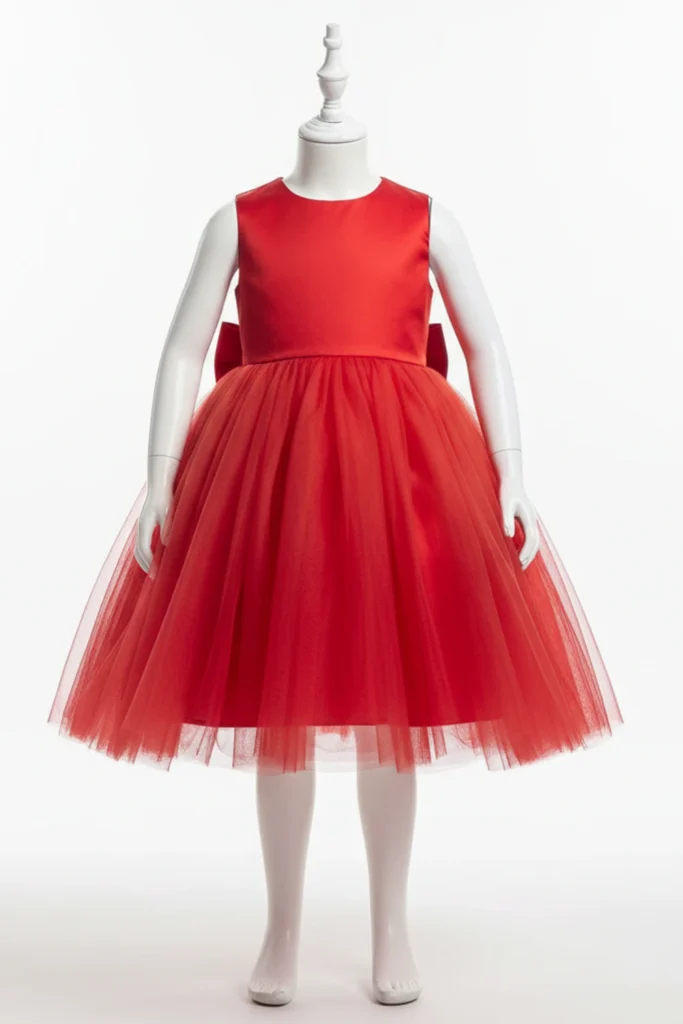
5. Cap-Sleeved Swing Dress
The swing dress style offers maximum movement with its loose, flowing design from shoulder to hem. When crafted with cap sleeves, it provides:
- Exceptional comfort for all-day wear
- A timeless silhouette that suits most body types
- Protection for shoulders in outdoor settings
- Appropriate coverage for ages 3-12
Pediatricians recommend this style for children who struggle with sensory issues, as the loose fit minimizes uncomfortable pressure points.
Accessorizing Red Dresses Appropriately
When it comes to accessorizing children’s formal wear, the key principle is moderation. Consider these age-appropriate options:
| Age Group | Recommended Accessories | Footwear Suggestions |
|---|---|---|
| 3-5 years | Simple headband, small bracelet | Mary Janes with low heel or flats |
| 6-8 years | Matching hair clip, small necklace | Comfortable dress shoes, sandals |
| 9-12 years | Coordinating jewelry set, hair accessories | Age-appropriate low heels, decorative flats |
Child development experts emphasize that excessive accessories can cause discomfort and distraction. Focus on one or two key pieces that complement rather than compete with the dress.
Caring for Special Occasion Red Dresses
To extend the life of a child’s special occasion dress, proper care is essential:
- Pre-treatment: Apply a gentle stain repellent before the first wear
- Immediate attention: Address spills and stains as soon as possible
- Proper cleaning: Follow fabric-specific care instructions
- Storage: Hang on padded hangers or lay flat in acid-free tissue paper
- Growth consideration: Select styles with adjustable features when possible
A consumer survey found that properly maintained children’s formal wear lasted through an average of 3.5 events or was successfully handed down to siblings or friends.
Frequently Asked Questions
How do I ensure my child’s red dress is comfortable for all-day wear?
Look for cotton blends or fabrics with stretch components, avoid tight waistbands, and choose designs with room for movement. Consider a slightly larger size with adjustment capabilities like sashes or tie-backs. Always have your child try sitting, reaching up, and moving around in the dress before purchasing.
What are the best shoe options to pair with a child’s red dress?
Comfortable Mary Janes, low-heeled dress shoes (for older children only), or decorative flats work well. Ensure shoes are broken in before the event and consider bringing a backup pair if the event is lengthy. For outdoor events, choose shoes with slightly wider bases for stability.
How can I help my child maintain proper care for their special dress during an event?
Consider applying a gentle stain repellent before the event. Pack a small emergency kit with wet wipes and a stain removal pen. Teach older children basic care tips like keeping hands clean before touching their dress and sitting carefully. For younger children, pack a change of clothes for the less formal portions of the event.
Are there Children Dress Styles that work better for certain seasons?
Absolutely. For summer events, choose breathable fabrics like cotton blends with cap sleeves or sleeveless styles. For cooler weather, consider three-quarter sleeves or pair sleeveless dresses with a coordinating cardigan or bolero jacket. Velvet and heavier satin options work well for winter events.
At what age should children have input on their formal wear selection?
Child development experts suggest that around age 5-6, children can begin participating in the selection process with guided choices. By ages 8-10, they can have more substantial input while parents maintain final approval. This participation helps children develop personal style while learning about appropriate attire for different occasions.