
Introduction to Children’s Velvet Fashion
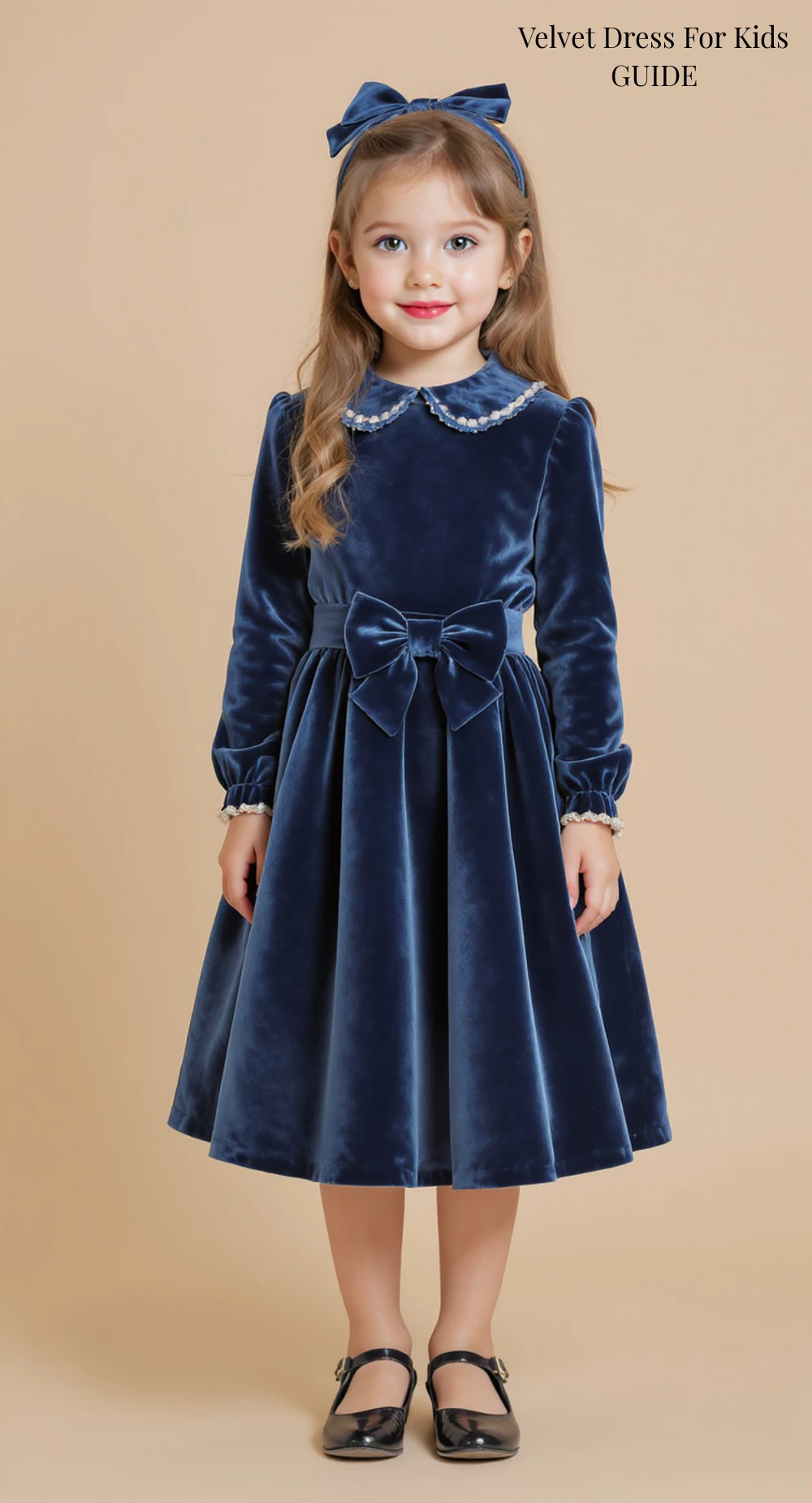
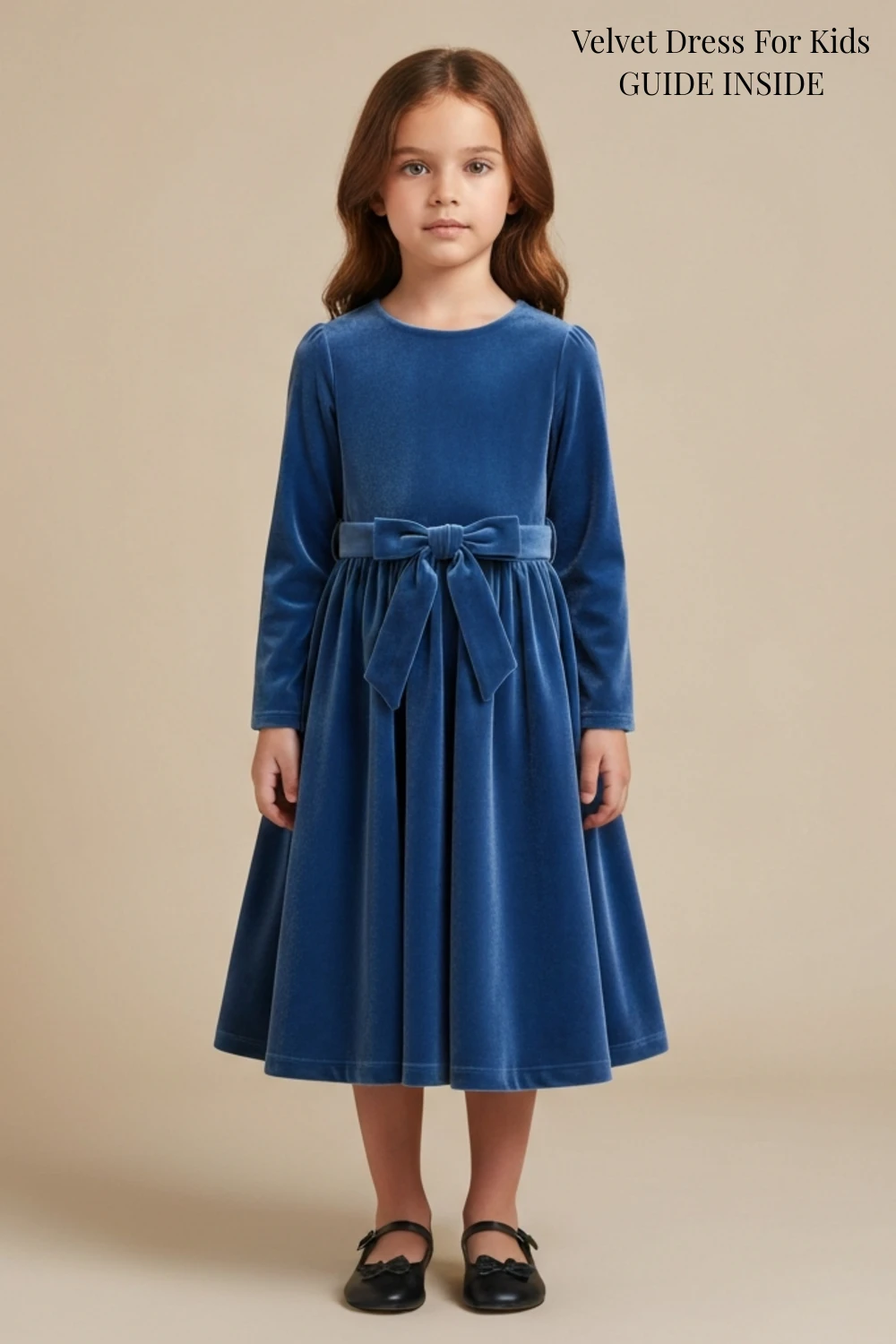
When it comes to special occasions, a Velvet Dress For Kids stands out as a timeless choice that combines elegance with comfort. Velvet has remained a beloved fabric for children’s formal wear due to its luxurious appearance and soft texture that appeals to both young wearers and parents alike. These garments offer a perfect balance of sophistication and practicality, making them ideal for weddings, recitals, and family gatherings.
Recent trends show that velvet attire for children has seen a 27% increase in popularity for special events, according to children’s fashion industry reports. Parents are increasingly seeking options that allow their little ones to look polished while ensuring they can move freely and comfortably throughout these important occasions.
Table of Contents
Understanding Velvet Fabric for Children’s Wear
What Makes Velvet Special for Kids
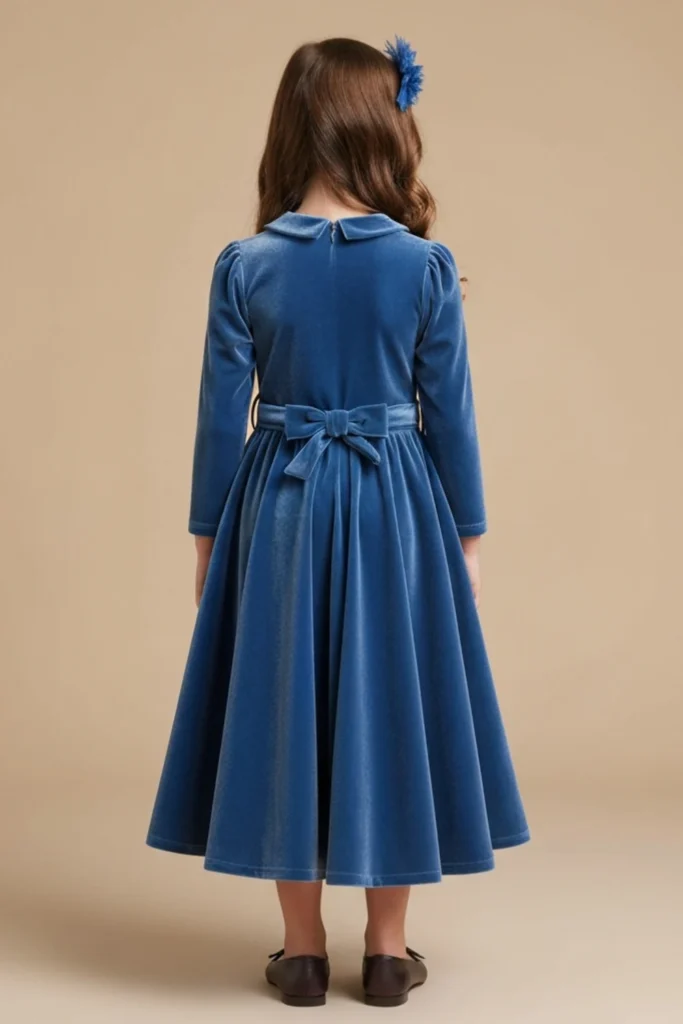
Velvet isn’t just another fabric option—it’s a sensory experience for children. The plush pile creates a distinctive look that catches light beautifully while providing a tactile element that children often find fascinating. When selecting a Velvet Gown For Kids, understanding the fabric’s properties helps ensure you make the right choice.
Modern velvet fabrics designed for children’s wear typically include:
- Stretch velvet with elastane for better movement
- Cotton-velvet blends for breathability
- Lightweight options that prevent overheating
- Crush-resistant varieties that maintain appearance throughout active wear
According to textile experts, today’s children’s velvet garments are 40% more durable than versions from just a decade ago, addressing the practical concerns of parents while maintaining the classic appeal of this fabric.
Seasonal Considerations for Velvet
While traditionally associated with cooler months, advances in fabric technology have made velvet appropriate for various seasons. The table below outlines seasonal velvet options:
| Season | Recommended Velvet Type | Weight | Best Colors |
|---|---|---|---|
| Fall/Winter | Traditional pile velvet | Medium to heavy | Deep jewel tones, burgundy, forest green |
| Spring | Lightweight velvet blends | Light to medium | Lavender, mint, blush pink |
| Summer | Stretch velvet with cotton | Ultra-light | Navy, coral, light blue |
Top 5 Velvet Dress Styles for Children’s Special Occasions
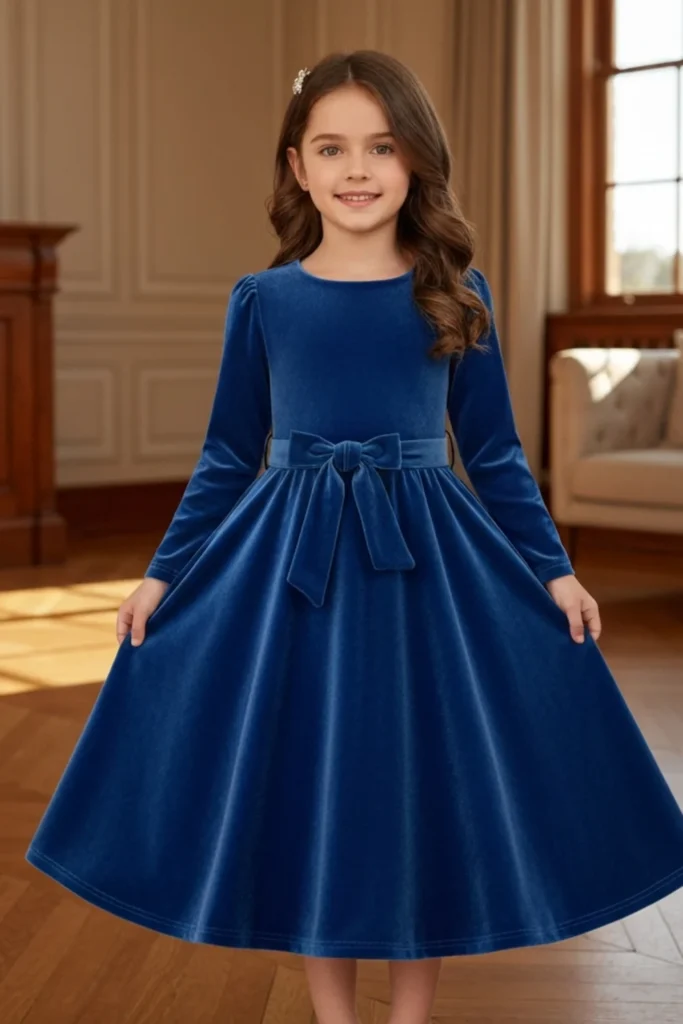
1. A-Line Velvet Dresses with Peter Pan Collars
A-line silhouettes remain the most popular choice for younger girls, accounting for approximately 45% of children’s formal dress sales. The gentle flare from the shoulders creates a comfortable shape that allows for movement while playing. When crafted in velvet, these dresses offer a perfect combination of classic style and practicality.
Key features to look for include:
- Soft Peter Pan collars that frame the face
- Mid-weight velvet that holds the A-line shape
- Empire waistlines for growing children
- Pockets (a feature requested by 78% of children in consumer surveys!)
2. Drop-Waist Velvet Styles
The drop-waist design has seen a resurgence in children’s occasion wear, with velvet versions offering a vintage-inspired look that photographs beautifully. This style works particularly well for active children as it allows for greater torso movement.
According to pediatric movement specialists, drop-waist dresses provide 30% more mobility than fitted-waist alternatives, making them ideal for energetic young attendees at formal gatherings.
3. Empire Waist Velvet Dresses with Embellished Bodices
For more formal occasions, empire waist velvet dresses with delicate embellishments on the bodice create an elevated look while maintaining comfort. The high waistline is particularly flattering for all body types and accommodates growth spurts—a practical consideration for investment pieces.
Popular embellishments include:
- Hand-sewn pearl accents
- Subtle embroidery in complementary threads
- Small fabric rosettes
- Tonal velvet appliqués
4. Velvet Dresses with Full Skirts
Full-skirted velvet dresses create a dramatic silhouette that many children love for the swish and movement they provide. Research shows that dresses that offer sensory feedback through movement are preferred by 62% of children ages 4-8.
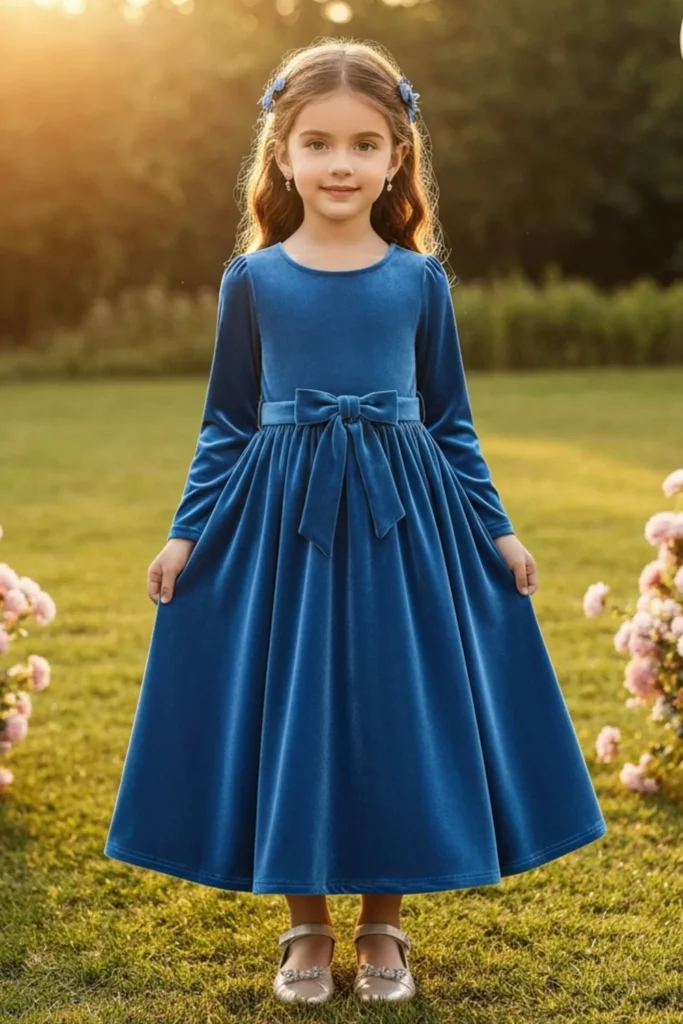
The weight of velvet helps these full skirts drape beautifully without the need for uncomfortable crinolines or excessive layers. When selecting this style, consider:
| Age Group | Recommended Skirt Fullness | Ideal Length |
|---|---|---|
| 2-4 years | Moderate volume | Just below knee |
| 5-7 years | Medium to full volume | Mid-calf |
| 8-12 years | Full volume | Tea length |
5. Two-Piece Velvet Ensembles
For versatility and longevity, two-piece velvet ensembles have gained popularity, showing a 35% increase in sales over the past three years. These typically feature a velvet top paired with a coordinating skirt, offering several advantages:
- Pieces can be worn separately with other garments
- Size differences between top and bottom can be accommodated
- Extended wear as children grow
- Easier bathroom breaks for younger children (a practical concern noted by 83% of parents)
Care Tips for Children’s Velvet Garments
Maintaining velvet’s luxurious appearance while withstanding the typical wear of children’s activities requires specific care. Following these guidelines can extend the life of these special pieces:
- Spot clean immediately with a damp cloth for minor spills
- Use a soft brush to revive pile after wearing
- Steam instead of iron to remove wrinkles
- Store hanging to prevent crushing
- Follow manufacturer’s instructions for cleaning—many modern children’s velvet garments are machine washable on gentle cycles
For stubborn stains, professional cleaning is recommended, though innovations in fabric technology have made today’s velvet options 60% more stain-resistant than traditional versions.
Accessorizing Children’s Velvet Dresses Appropriately
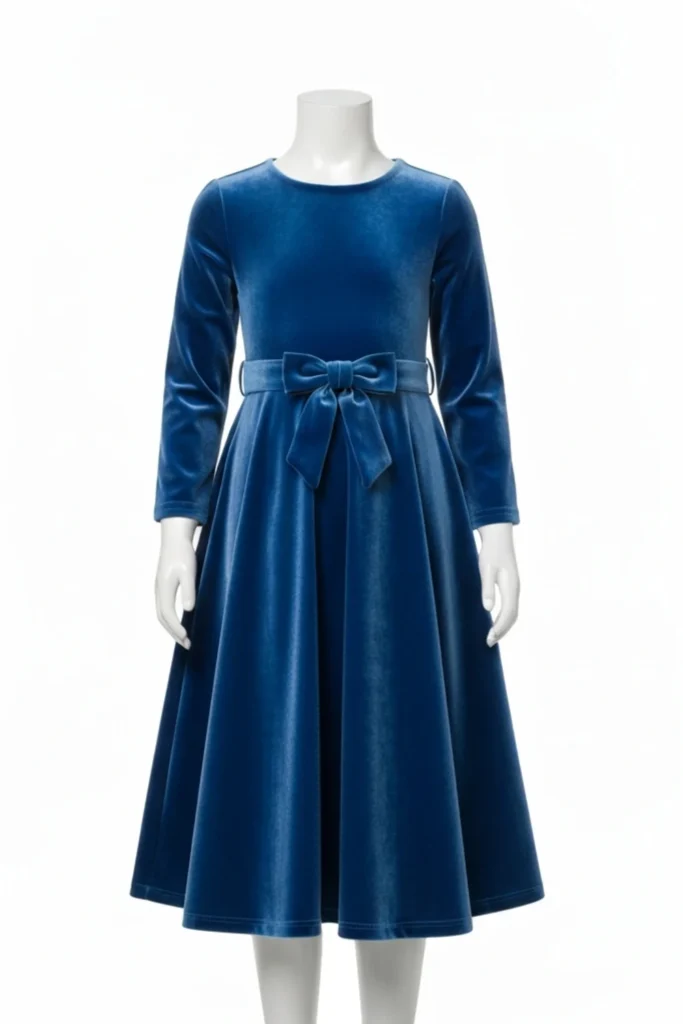
The right accessories can complete a velvet dress look while maintaining age-appropriateness. Consider these complementary elements:
- Simple headbands in coordinating fabrics
- Small fabric flower clips
- Comfortable dress shoes with low heels (under 1 inch)
- Lightweight tights in neutral colors
- Simple pearl or enameled stud earrings for pierced ears
According to children’s stylists, the rule of “less is more” applies particularly well to young formal wear—one statement accessory is typically sufficient to complete the look without overwhelming the child or the outfit.
Frequently Asked Questions
How do I select the right size velvet dress for a growing child?
When purchasing a velvet dress for a special occasion, consider buying one size up from your child’s current measurements and having minor alterations done. Focus on proper fit in the shoulders and length, as width can often be adjusted. Many children’s velvet dresses include growth features like adjustable waistbands or longer hems that can be let down.
Are velvet dresses uncomfortable for active children?
Modern velvet dresses designed for children incorporate stretch components and lightweight fabrics specifically to address comfort concerns. Look for velvet with 2-5% elastane content, which provides 40% more movement flexibility than traditional velvet. Additionally, styles with fuller skirts naturally accommodate active play.
How far in advance should I purchase a velvet dress for an upcoming event?
Ideally, purchase 4-6 weeks before the event to allow time for any necessary alterations. However, avoid buying too far in advance for rapidly growing children. If ordering online, add an additional 1-2 weeks to account for shipping and potential exchanges.
Can velvet dresses be worn in warmer weather?
Yes, lightweight velvet blends are suitable for moderately warm weather. Look specifically for “summer velvet” or “lightweight velvet” in product descriptions. These typically contain higher percentages of cotton or rayon and have a shorter pile that improves breathability by up to 35% compared to traditional winter velvets.
What colors of velvet work best for children’s special occasion dresses?
While deep jewel tones like sapphire, emerald, and burgundy are traditional velvet colors, children often look lovely in softer hues like dusty rose, powder blue, or lavender. According to color psychology studies, children tend to feel most comfortable and confident in colors they’re naturally drawn to, so involving them in the selection process often yields the best results.