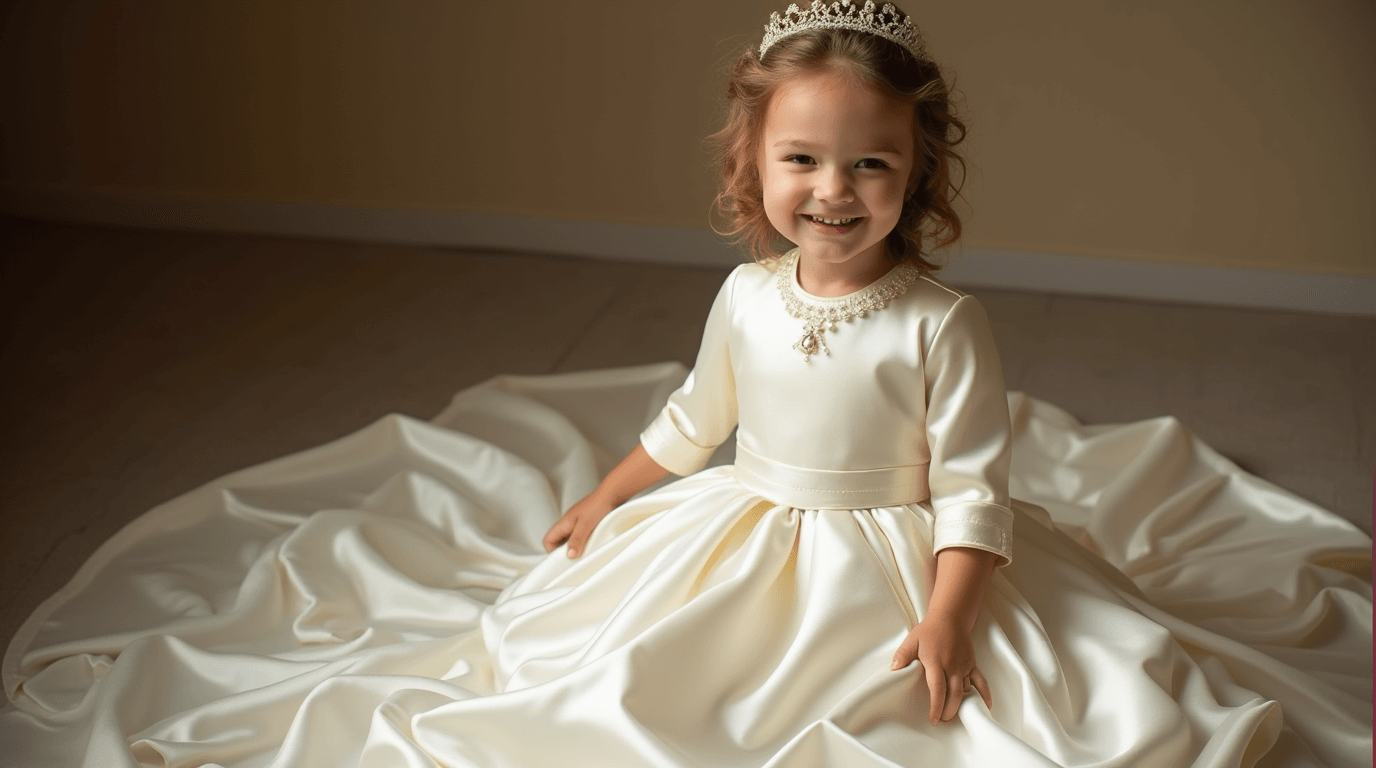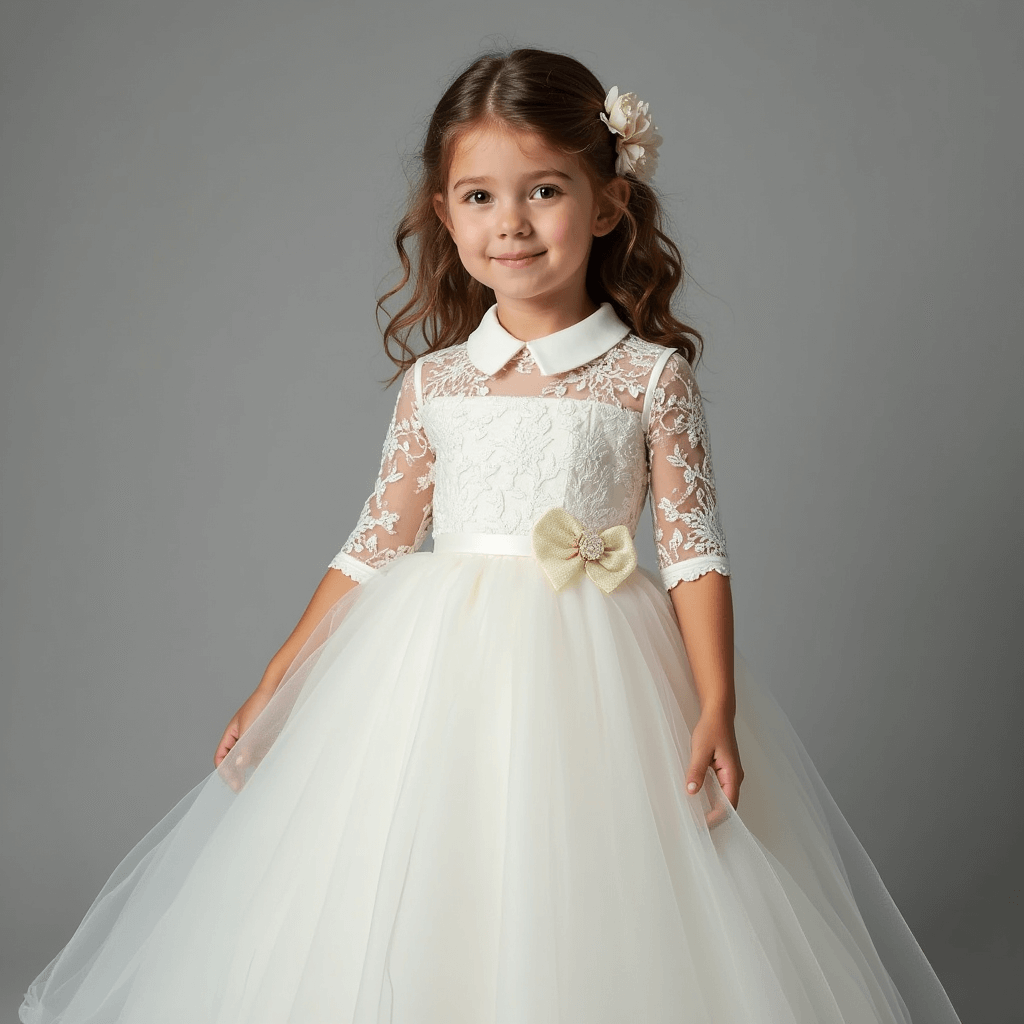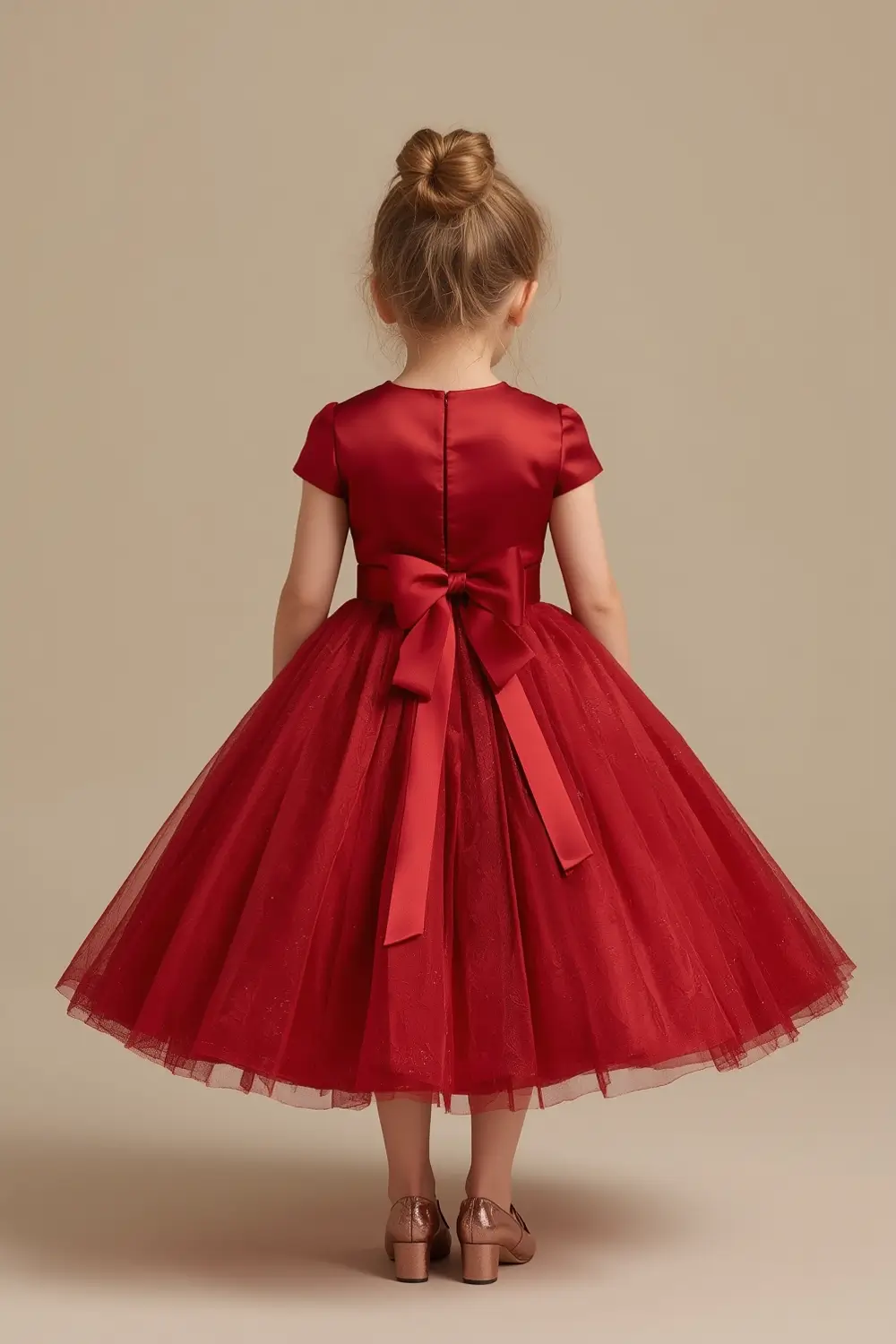
Are you looking for the perfect winter wedding guest dress for your little one? Attending formal events during the colder months presents unique challenges for parents seeking both style and comfort for their children. This comprehensive guide will help you navigate the world of children’s formal wear, ensuring your little girl looks adorable while staying warm and comfortable at those special winter celebrations.
- Why Children Need Special Consideration for Winter Formal Events
- Best Fabrics for Winter Formal Wear for Little Girls
- Age-Appropriate Styles for Winter Formal Events
- Color Trends for Winter Wedding Season
- Practical Considerations for Parents
- Accessorizing Appropriately
- Creative Ideas for Winter Wedding Guest Outfits
- Care and Maintenance of Special Occasion Clothing
- FAQ: Winter Wedding Guest Dresses for Little Girls
- What fabric is best for a winter wedding guest dress for my daughter?
- How can I make sure my toddler stays warm at a winter wedding?
- What colors are appropriate for children's winter formal wear?
- How should I accessorize my daughter's winter wedding outfit?
- What size should I purchase for a winter formal dress?
- How can I make sure the dress will be comfortable for my active child?
Why Children Need Special Consideration for Winter Formal Events
Winter weddings and formal gatherings require thoughtful outfit planning for children. Unlike warmer seasons, winter events demand fabrics that provide warmth without sacrificing style or comfort. Young children are particularly sensitive to temperature changes and uncomfortable clothing can quickly lead to fussiness during important ceremonies.
The Perfect Balance: Warmth, Comfort, and Style
When selecting a Toddler Wedding Guest Dress , consider these essential factors:
- Insulation properties of different fabrics
- Layering options that maintain a formal appearance
- Movement-friendly designs that allow for play
- Age-appropriate styles that suit the occasion
Best Fabrics for Winter Formal Wear for Little Girls
The foundation of any successful winter outfit begins with fabric selection. Here’s a comprehensive breakdown of child-friendly fabrics for winter formal events:
Fabric Durability and Warmth Chart
| Fabric | Warmth Rating | Durability | Child-Friendly Features |
|---|---|---|---|
| Velvet | Excellent | High | Soft, plush, luxurious appearance |
| Satin | Moderate | Medium | Smooth, dressy, often lined for warmth |
| Tulle with Lining | Moderate | Medium | Maintains shape, fairy-tale appearance |
| Wool Blends | Excellent | Very High | Natural insulation, breathable |
| Flannel-Lined Cotton | Good | High | Combines comfort with warmth |
| Corduroy | Very Good | Very High | Durable, warm, textured appearance |
When choosing fabrics, remember that young children often need to move, play, and sit through lengthy ceremonies. Scratchy materials or overly stiff constructions can lead to discomfort and fussiness during the event.
Age-Appropriate Styles for Winter Formal Events
Different age groups require different design considerations. Here’s how to select styles appropriate for various childhood stages:
Toddlers (Ages 1-3)
For toddlers, prioritize:
- Simple designs without complicated fasteners
- Elastic waistbands or stretchy bodices
- No small embellishments that could pose choking hazards
- Dress length that won’t interfere with walking or crawling
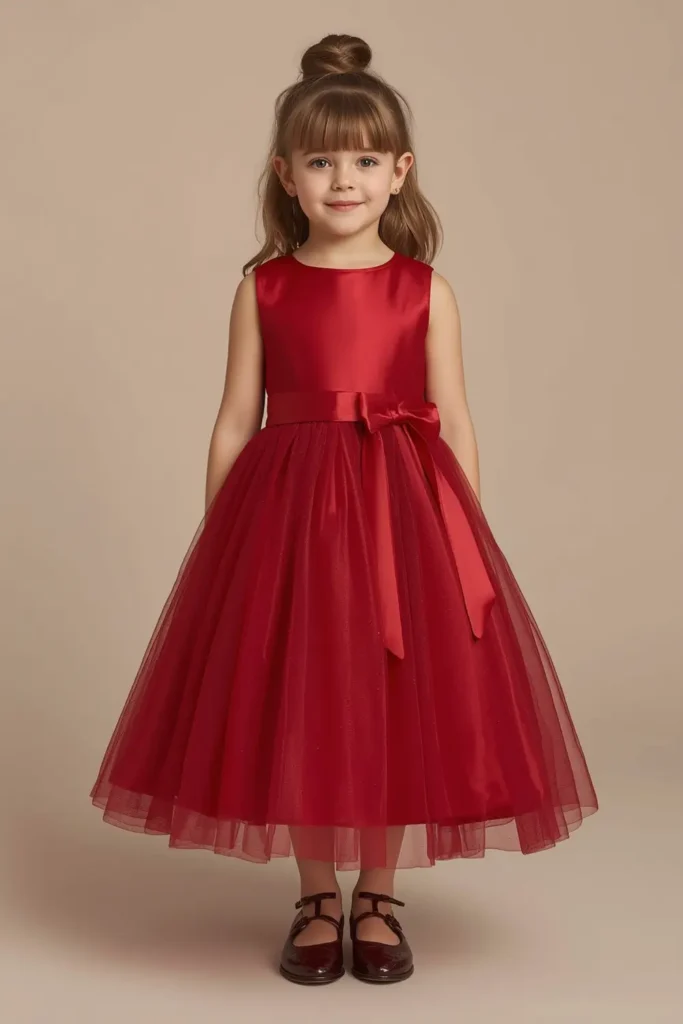
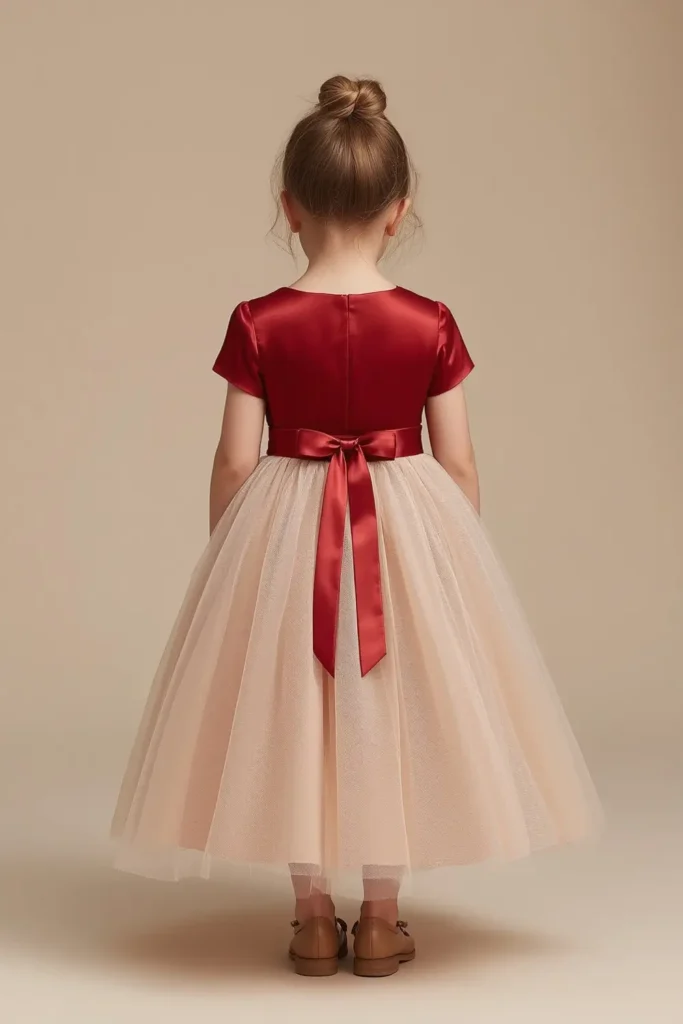
A red top design paired with a fuller skirt offers both warmth and the delightful twirl factor toddlers love.
Preschoolers (Ages 3-5)
Children in this age range appreciate:
- Dresses with pockets for treasures
- Designs that allow independent dressing
- More detailed embellishments like subtle embroidery
- Skirts with moderate fullness for movement and play
Early Elementary (Ages 6-8)
These children often have developing style preferences:
- More sophisticated designs with age-appropriate details
- Options that complement their developing sense of self
- Materials that resist wrinkling for active children
- Styles that blend in with older children without being too mature
Color Trends for Winter Wedding Season
Winter formal events for children offer opportunities to explore rich, seasonal color palettes:
Deep Jewel Tones: Emerald, sapphire, and ruby tones look stunning in winter settings and photograph beautifully against snowy backgrounds.
Winter Whites and Creams: Soft, warm whites with tulle overlays create an ethereal, winter wonderland effect.
Metallic Accents: Silver or gold embellishments add festive sparkle without overwhelming a child’s natural charm.
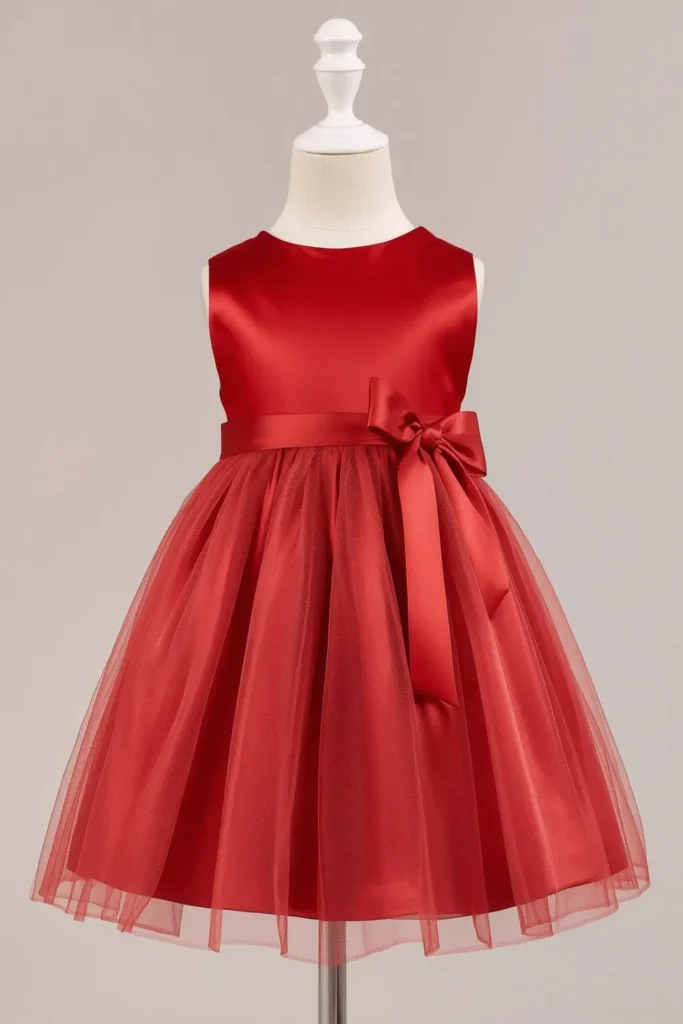
Classic Red: A red top paired with a complementary skirt creates a timeless, elegant look perfect for winter celebrations.
Practical Considerations for Parents
Sizing Chart for Growing Children
| Age Range | Average Height | Recommended Size | Growth Allowance |
|---|---|---|---|
| 1-2 years | 29-33 inches | 2T | Purchase current size |
| 2-3 years | 33-37 inches | 3T | Consider 1 size up for winter layering |
| 3-4 years | 37-40 inches | 4T | Size up if growth spurt expected |
| 4-5 years | 40-43 inches | 5T/XS | Consider adjustable features |
| 5-6 years | 43-46 inches | S | Look for hemlines that can be adjusted |
| 6-7 years | 46-49 inches | M | Consider versatile styles that can be worn multiple seasons |
Layering Strategies for Comfort
Creating a comfortable outfit for your child involves thoughtful layering:
- Base Layer: Thin, soft cotton undergarments that don’t add bulk
- Insulating Layer: The dress itself, ideally in a warmer fabric
- Accessories: Coordinating cardigans, capes, or shawls that can be removed indoors
Remember that indoor venues are often well-heated, so designs that allow for easy layer removal prevent overheating.
Accessorizing Appropriately
The right accessories complete a winter formal look while adding practical warmth:
Essential Winter Accessories
- Tights or Stockings: Opt for fleece-lined varieties in coordinating colors
- Dressy Boots or Shoes: Select styles with non-slip soles for potentially slippery conditions
- Hair Accessories: Elegant bows or headbands that complement the dress
- Hand Warmers: Small, decorative muffs or gloves for outdoor photo sessions
- Capes or Shawls: These add dramatic flair while providing warmth during arrivals and departures
Creative Ideas for Winter Wedding Guest Outfits
Make your child’s winter formal experience special with these thoughtful details:
- Coordinating Family Colors: Create a cohesive family look with complementary (not matching) color schemes
- Personalized Elements: Add a monogrammed cardigan or custom hair accessory
- Comfort Kits: Pack a small bag with comfort items like non-messy snacks and quiet activities
- Photo-Ready Details: Consider how elements like an elegant tulle skirt will photograph in winter settings
Care and Maintenance of Special Occasion Clothing
Protect your investment in children’s formal wear with proper care:
- Pre-Event Preparation: Test for comfort by having your child wear the outfit for a short period before the event
- Spot-Cleaning Techniques: Keep wet wipes handy for immediate attention to spills
- Post-Event Care: Follow fabric-specific cleaning instructions promptly
- Storage Solutions: Store properly to preserve for siblings or special keepsakes
FAQ: Winter Wedding Guest Dresses for Little Girls
What fabric is best for a winter wedding guest dress for my daughter?
Velvet and wool blends offer excellent warmth for winter wedding guest dress options. For a more traditional look, consider satin with proper lining or tulle overlays on warmer base fabrics.
How can I make sure my toddler stays warm at a winter wedding?
Layering is key. Start with warm tights, add a long-sleeved dress, and include a matching cardigan or cape. The elegant winter tulle skirt styles often allow room for thin thermal layers underneath without looking bulky.
What colors are appropriate for children’s winter formal wear?
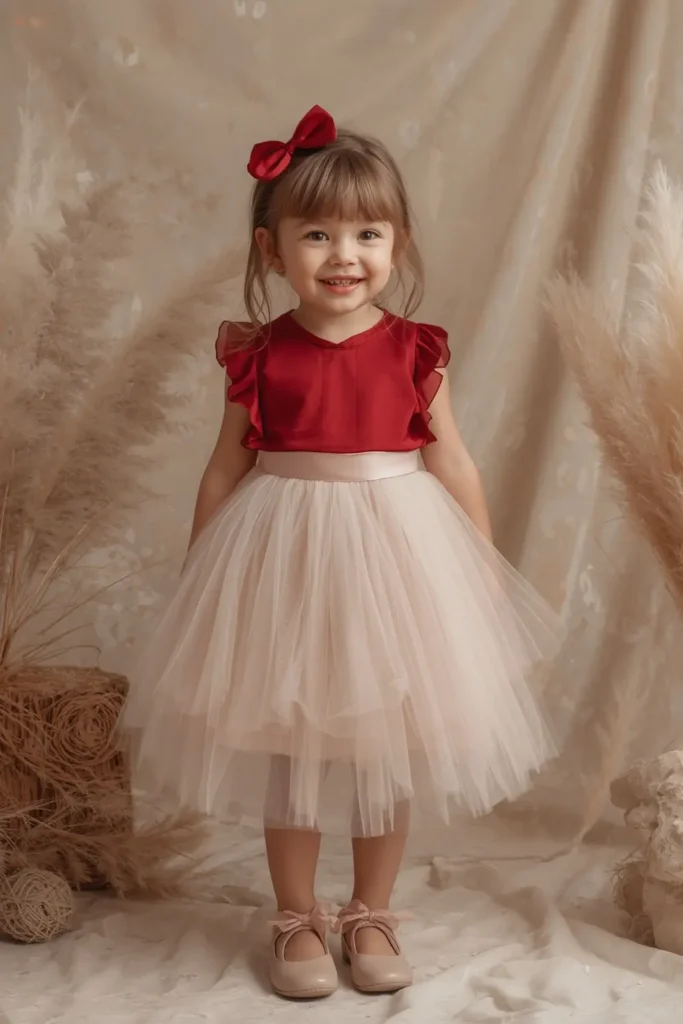
Deep jewel tones like emerald, sapphire, and burgundy work beautifully for winter events. A dress with a red top portion creates a festive look that photographs wonderfully against winter backdrops.
How should I accessorize my daughter’s winter wedding outfit?
Focus on both style and warmth. Pretty tights, dressy boots or shoes with non-slip soles, and coordinating hair accessories complete the look. For boys, bow ties add a charming formal touch.
What size should I purchase for a winter formal dress?
Consider sizing up slightly for winter outfits to accommodate layering underneath. The sizing chart in this article provides specific guidance, but always check the manufacturer’s measurements as children’s clothing sizes vary significantly between brands.
How can I make sure the dress will be comfortable for my active child?
Choose fabrics with some stretch, avoid scratchy embellishments, and select designs that allow freedom of movement. Testing the outfit before the event by having your child wear it for a short period can identify any potential comfort issues.